𝔼𝕩𝕡𝕠𝑀𝑜𝒹



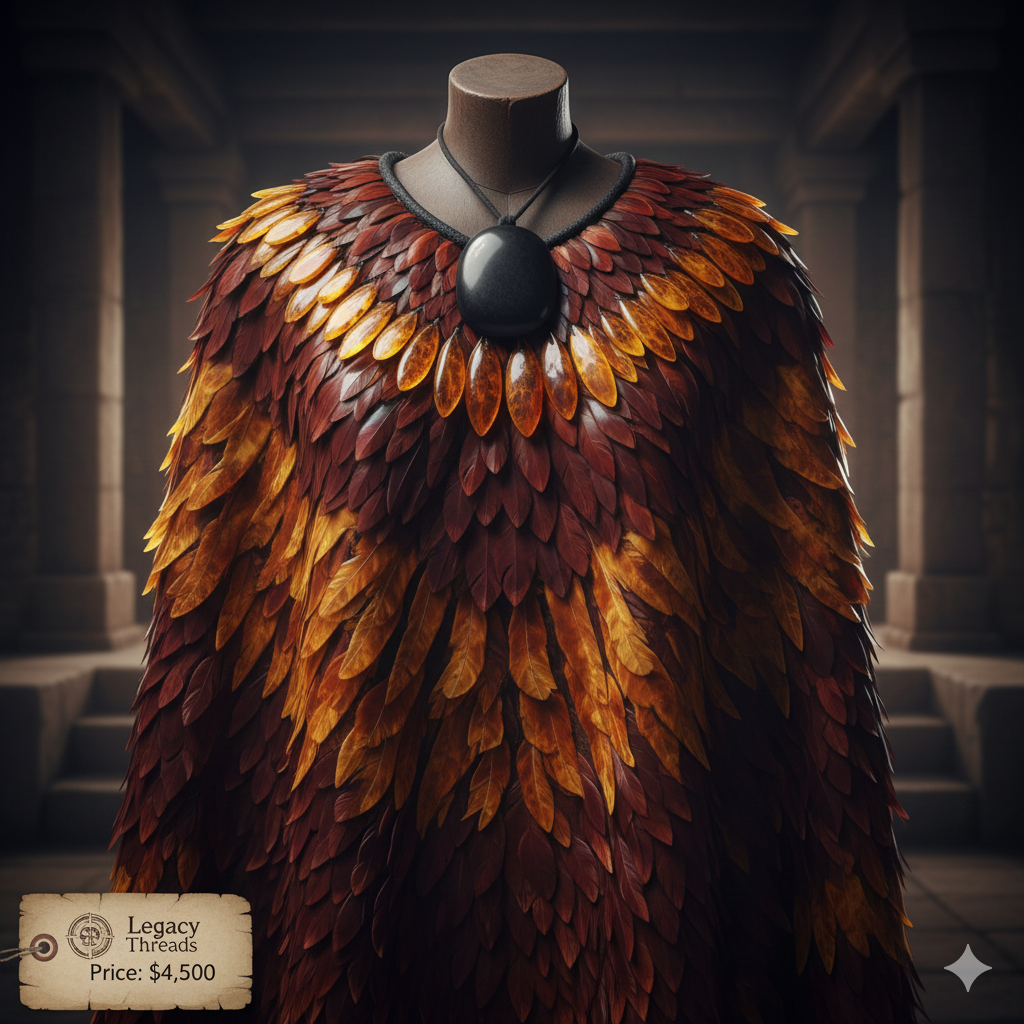
The "Sun Shield" is a breathtaking recreation of the Tilmatli — a ceremonial cape worn by Aztec nobility and high-ranking warriors during the final glory years of the Mexica Empire. In the 16th century, featherwork was the ultimate status symbol, combining spiritual significance with unrivaled visual brilliance.
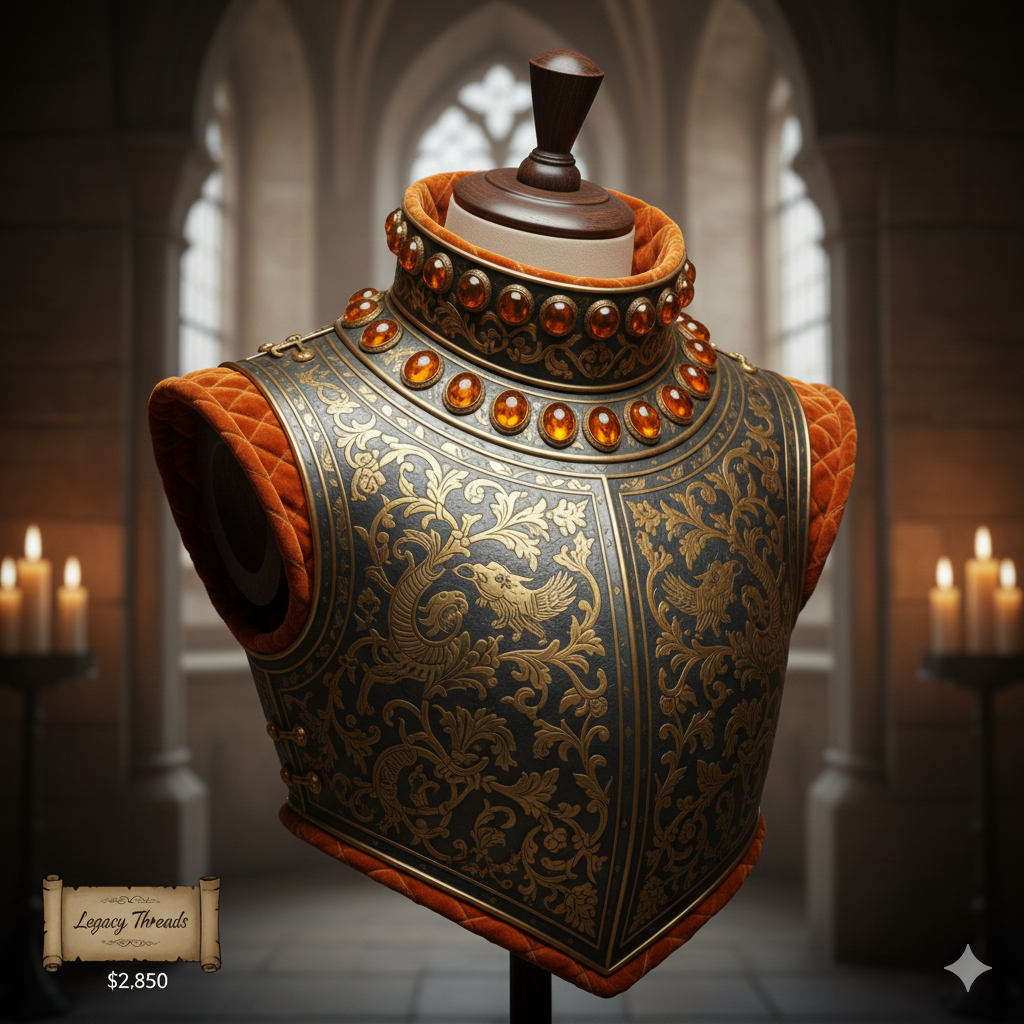
The "Steel Lace" Gorget is a masterpiece of Renaissance metalwork, inspired by the ceremonial armor commissioned by the Holy Roman Emperors and high-ranking German Landsknecht officers. By the mid-16th century, the gorget — a piece of plate armor designed to protect the throat and upper chest — had evolved into a prestigious symbol of military rank and noble status, often worn over a
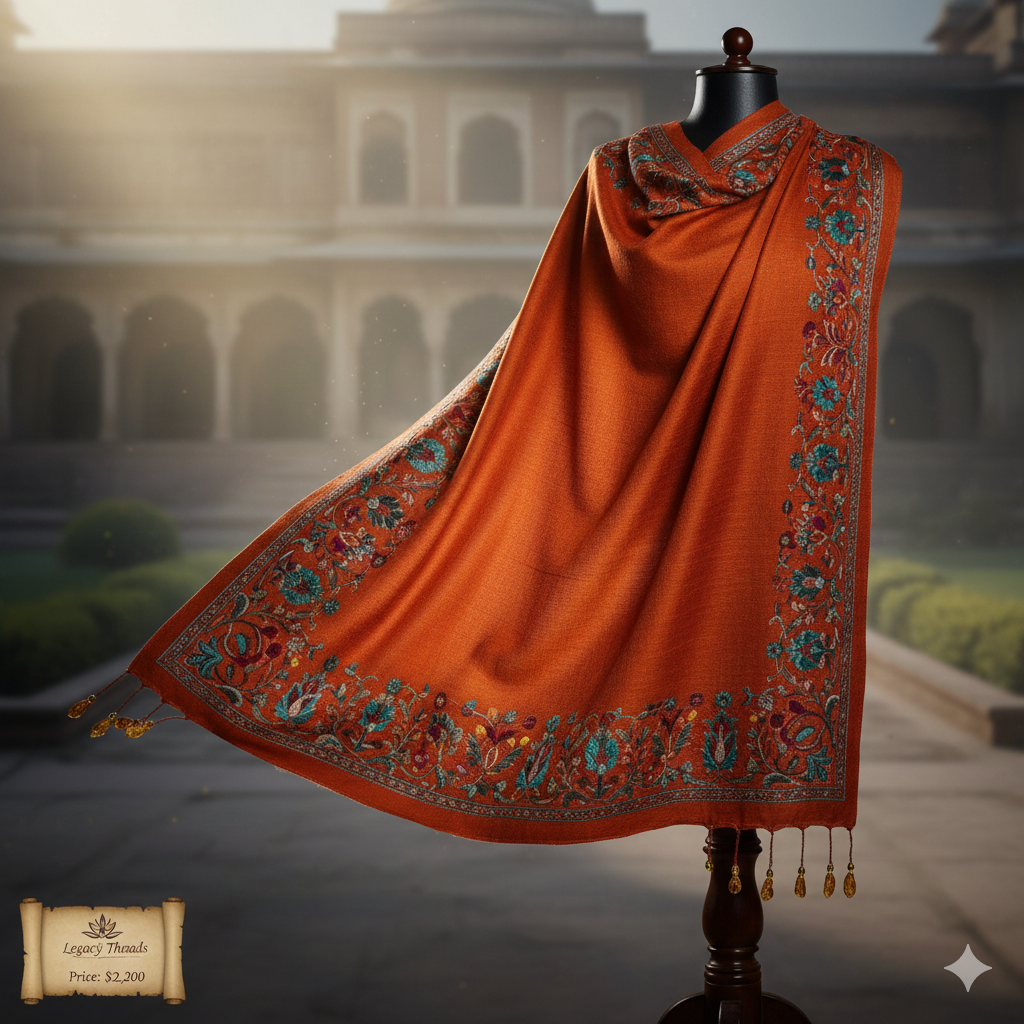
The "Woven Mist" is a tribute to the early Mughal era in India, specifically the reign of Emperor Akbar, who was a great patron of the shawl-weaving arts in Kashmir. In the 16th century, these shawls were so fine they were often called "woven air" or "morning dew." They were the ultimate gift of honor in the Mughal court, symbolizing warmth, protection, and divine
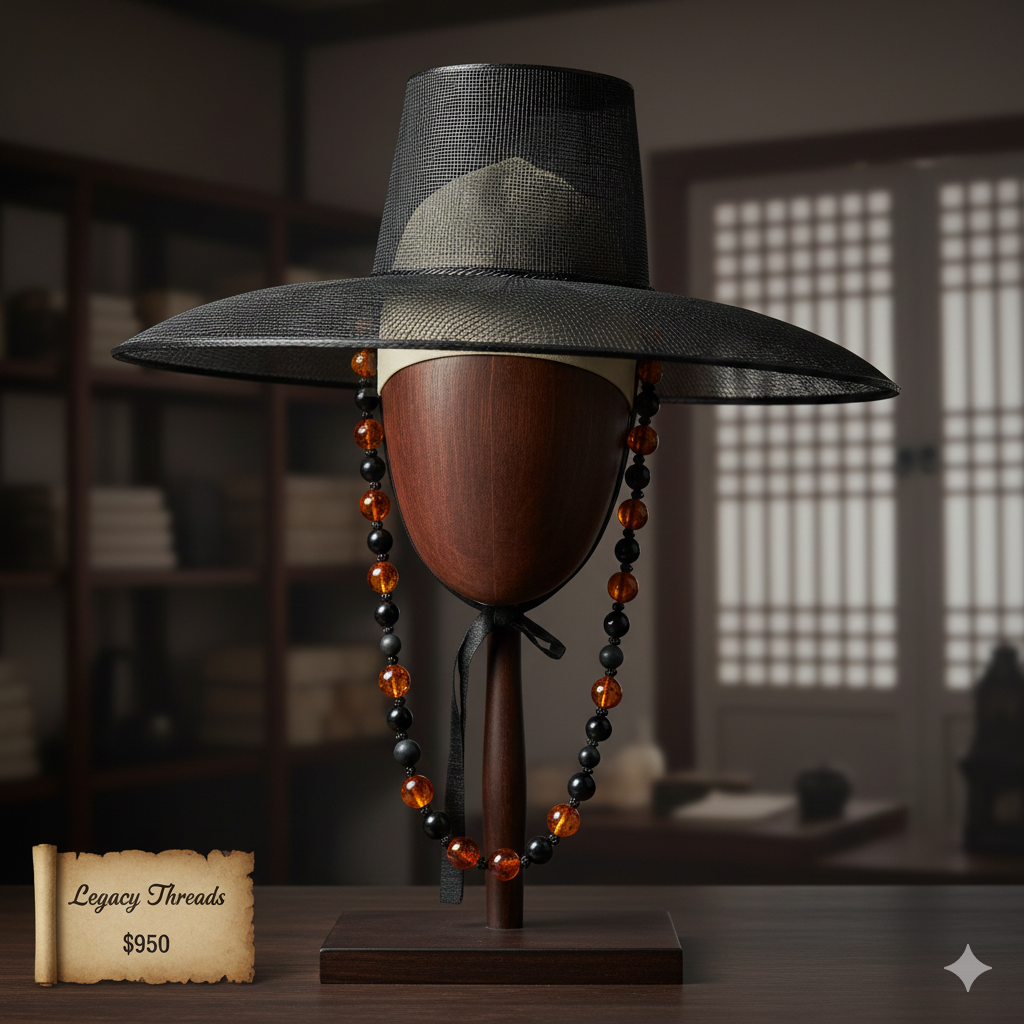
The "Sage's Shadow" is an exquisite reconstruction of the Gat — the iconic semi-transparent horsehair hat worn by the Yangban (aristocratic scholars) during the Joseon Dynasty in the 16th century. This hat is a marvel of ancient engineering, designed to be so light that it feels like "wearing a shadow," while providing a protective halo that signifies the wearer's
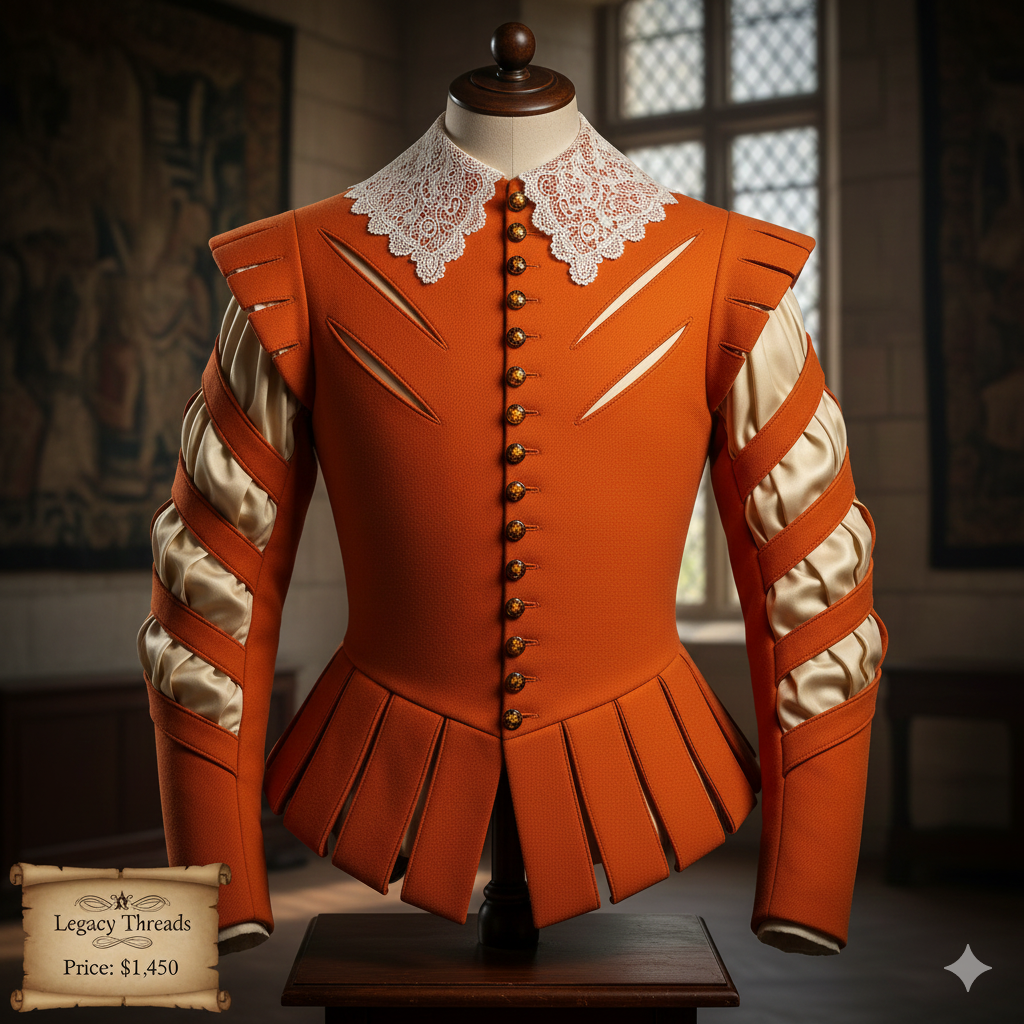
The "Musketeer Spirit" Doublet is a quintessential piece of French aristocratic fashion from the late 16th century, transitioning into the gallant style of the early Bourbon era. This garment, known as a pourpoint , was designed to create the "peascod belly" silhouette—a padded, slightly curved front that mimicked the shape of contemporary plate armor, symbolizing a
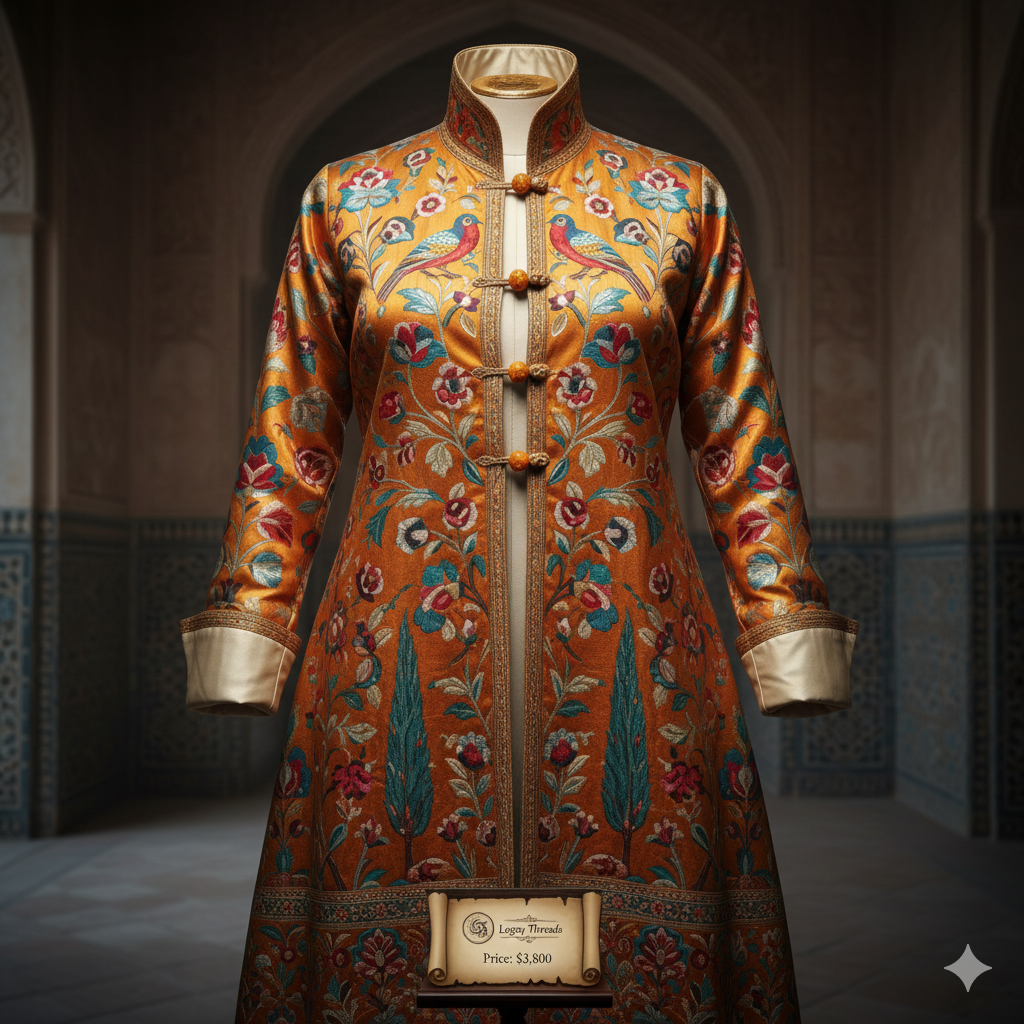
The "Gulistan Garden" Caftan is a tribute to the golden age of Persian textiles under the Safavid Dynasty in the 16th century. During the reign of Shah Abbas I, Persian silk weavers achieved a level of intricacy that was the envy of both the Ottoman Empire and Europe. This garment is a "Khalat" — a robe of honor often gifted by the Shah to ambassadors and high-ranking
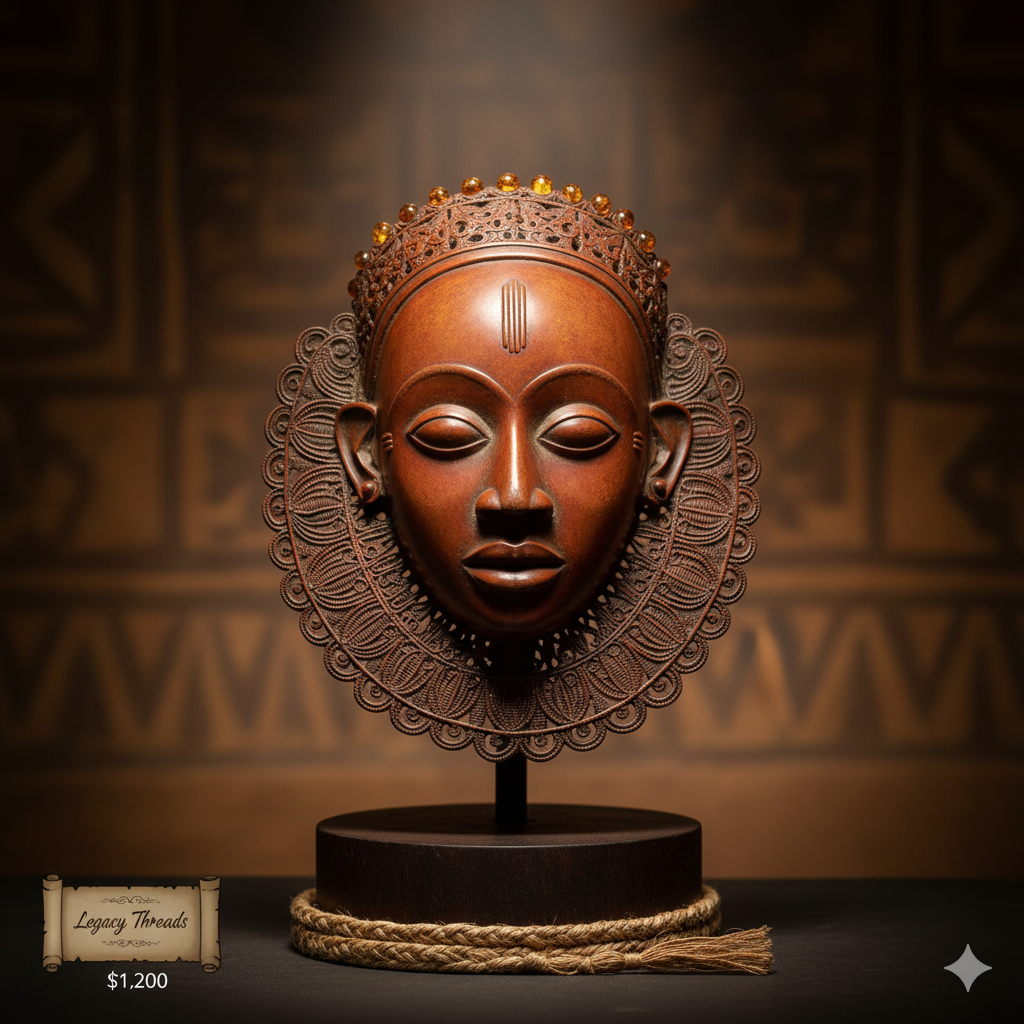
The "Oba's Majesty" Pendant Mask is a masterful tribute to the ivory and bronze hip masks worn by the Oba (King) of the Benin Empire in the 16th century. These masks were not mere ornaments; they were sacred amulets worn at the waist during royal ceremonies to ward off evil spirits and commemorate the Queen Mother (Iyoba) or divine ancestors. This piece represents the pinnacle of
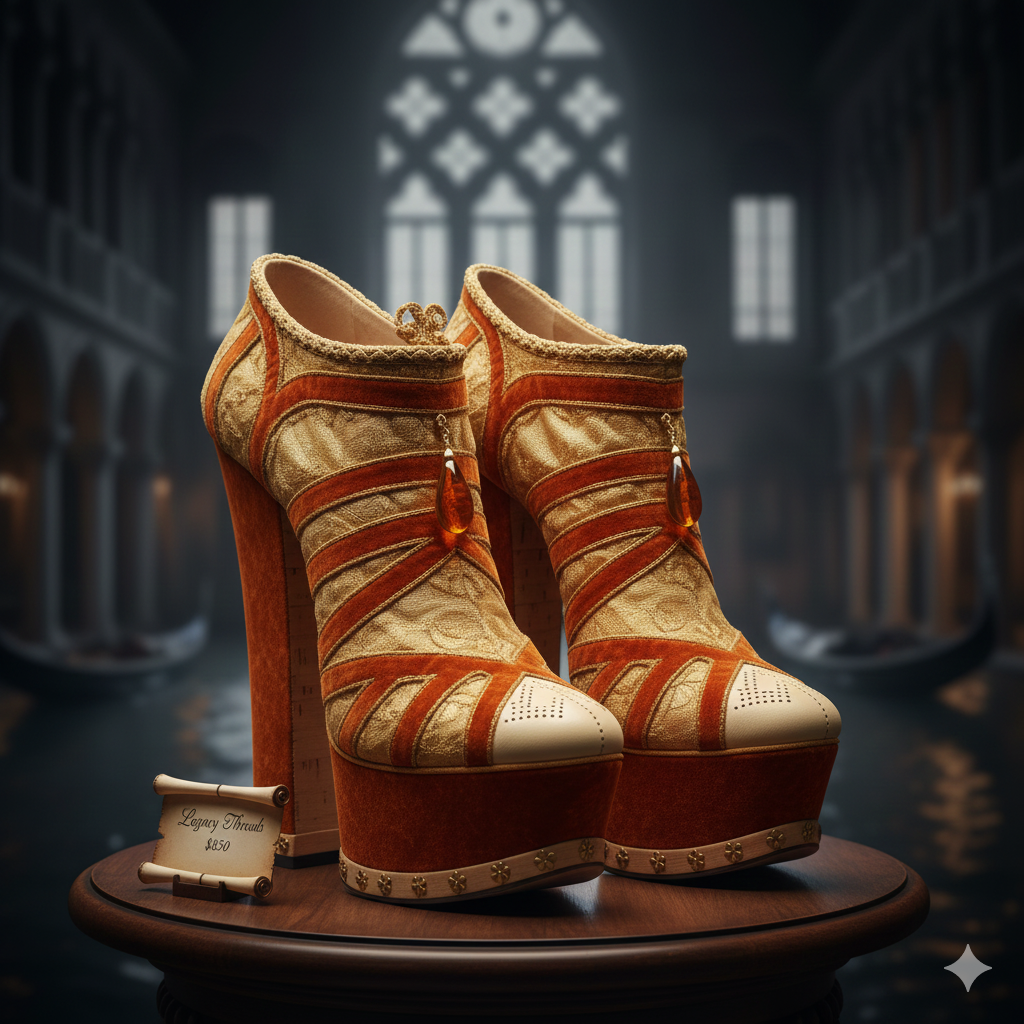
The "Cloud" Chopines are a breathtaking reconstruction of the towering platform shoes that defined the silhouette of high-status Venetian noblewomen and cortigiane oneste during the 16th century. In the watery streets of the Serenissima, these shoes served a dual purpose: practically protecting expensive silk gowns from the damp pavement, and symbolically elevating the wearer above the
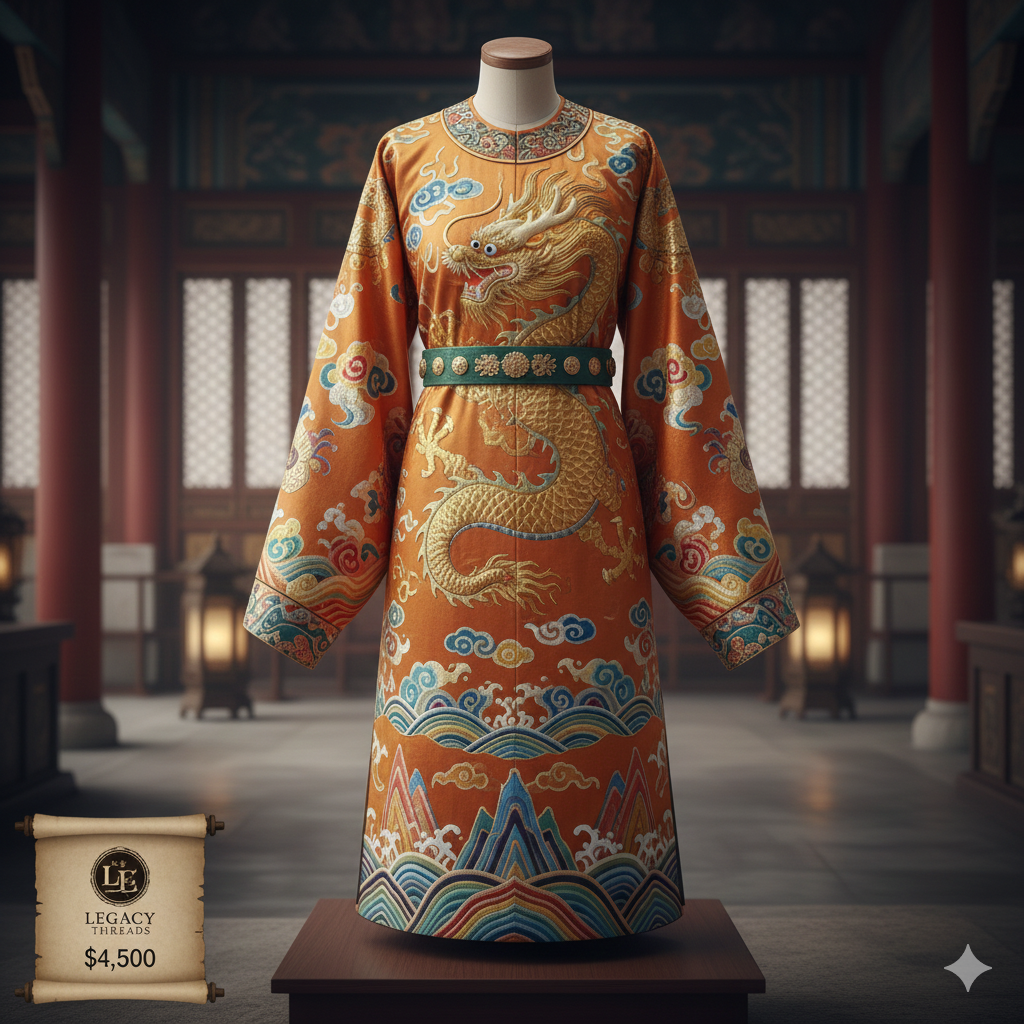
The "Golden Dragon" Robe is a sublime example of the Longpao — the formal attire of the Ming Dynasty imperial court in the 16th century. During this era, China was the undisputed global leader in textile technology, and this garment represents the pinnacle of that expertise. In the Ming hierarchy, the five-clawed dragon was a symbol reserved exclusively for the Emperor and his