𝔼𝕩𝕡𝕠𝑀𝑜𝒹



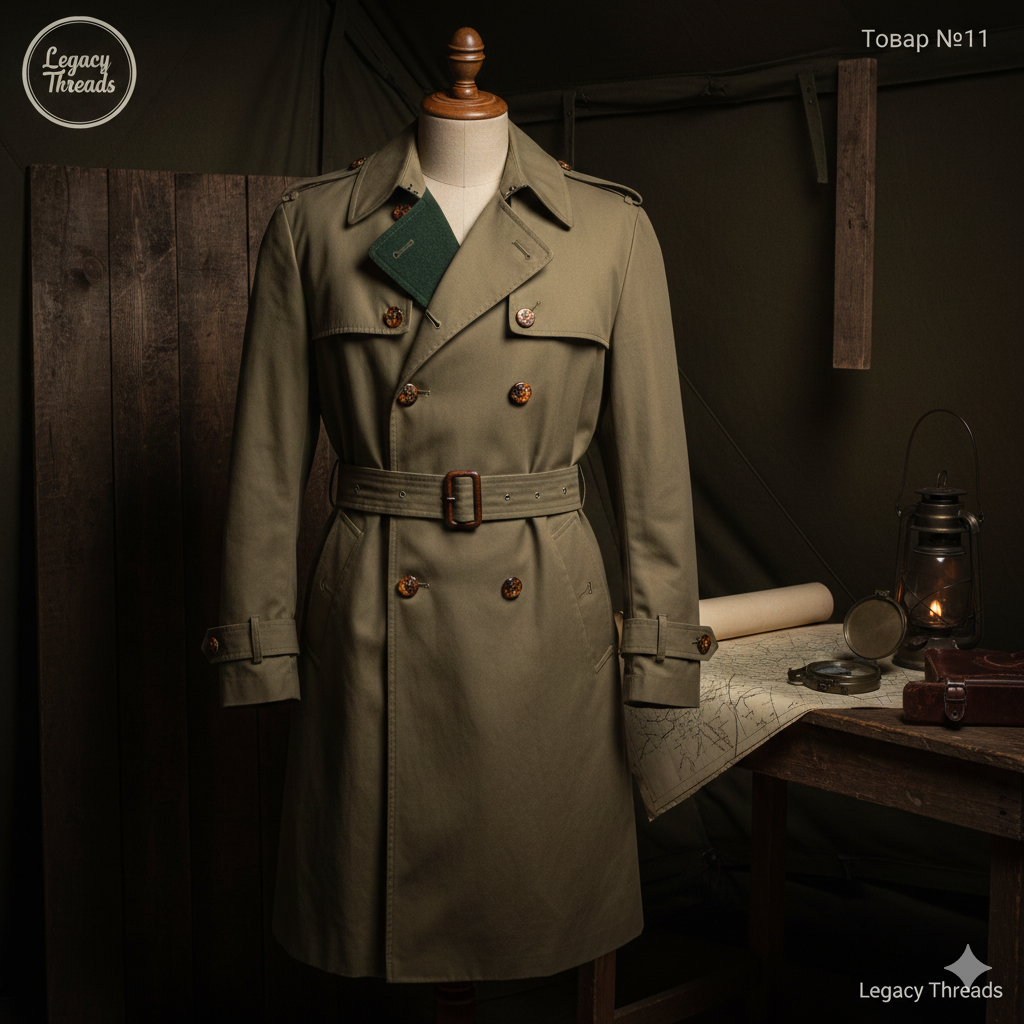
The "Front Line" Trench Coat is a tribute to the functional brilliance of Great War military attire. Originally designed for officers serving in the muddy trenches of France and Belgium, this garment transformed from a piece of battlefield equipment into a symbol of stoic resilience and timeless style.
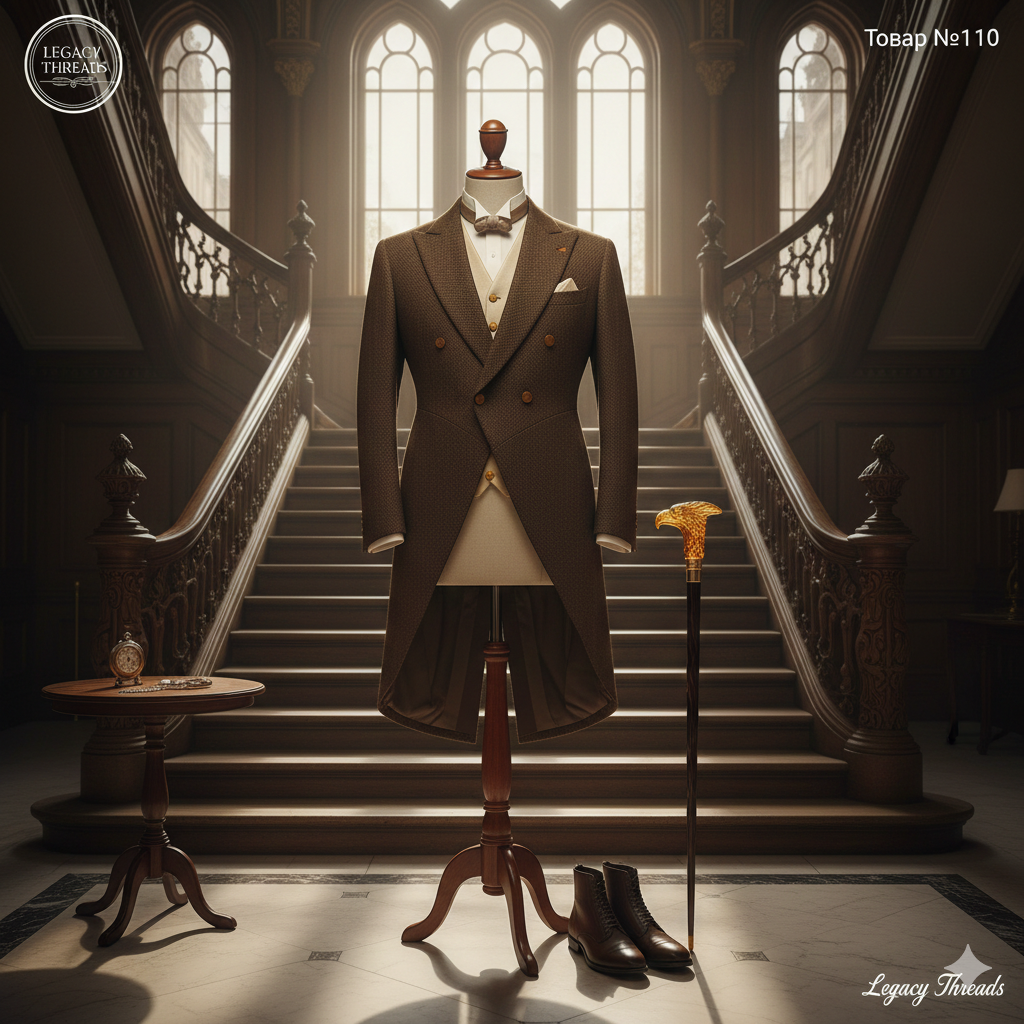
The "Edwardian Dawn" Morning Suit is a peak expression of early 20th-century masculine sartorial elegance. Designed for the high-stakes social calendar of the 1900s, this ensemble was the essential choice for weddings, Royal Ascot, or high-level morning business in the city.
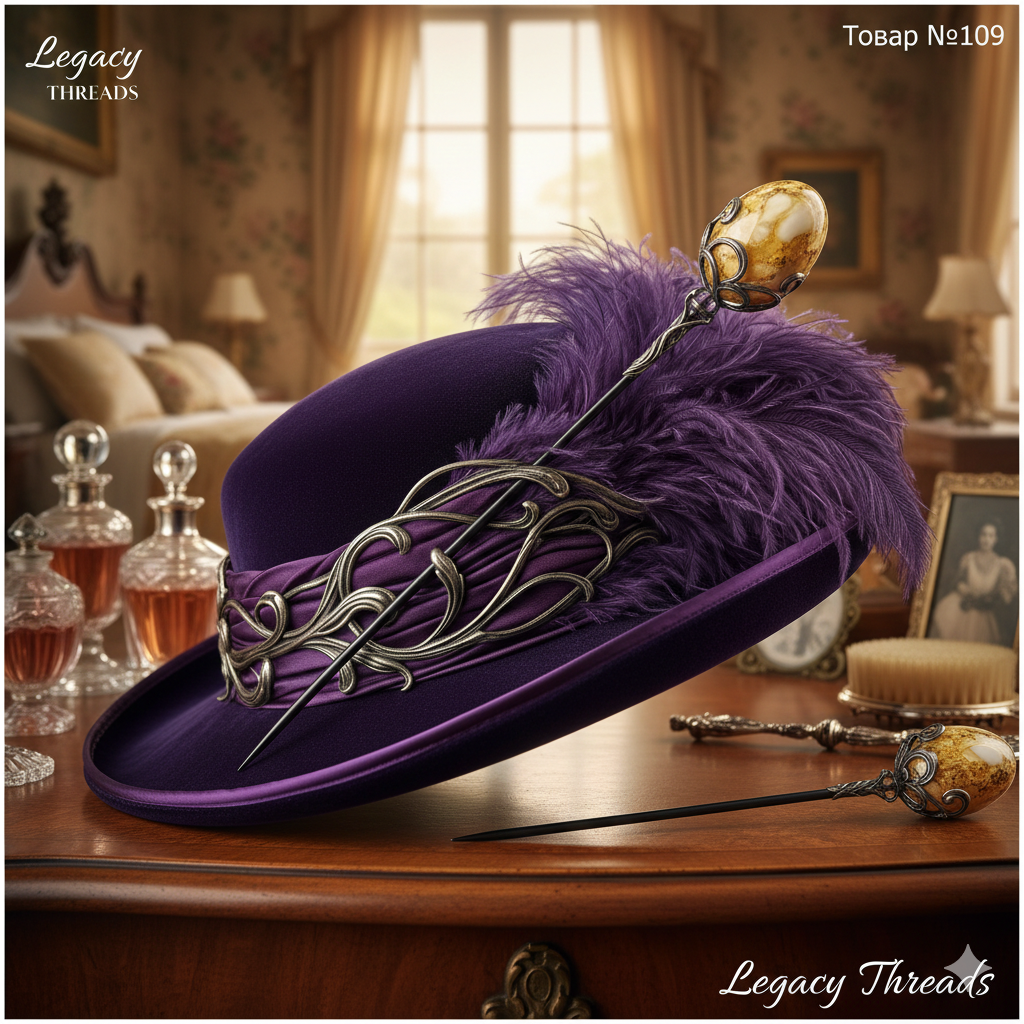
The "Opera's Breath" set is a quintessential example of Edwardian grandeur. The focal point is a wide-brimmed "Merry Widow" hat, a style that dominated high society millinery around 1907. This hat was designed to frame the face like a halo, adding height and an air of untouchable mystery to the wearer.
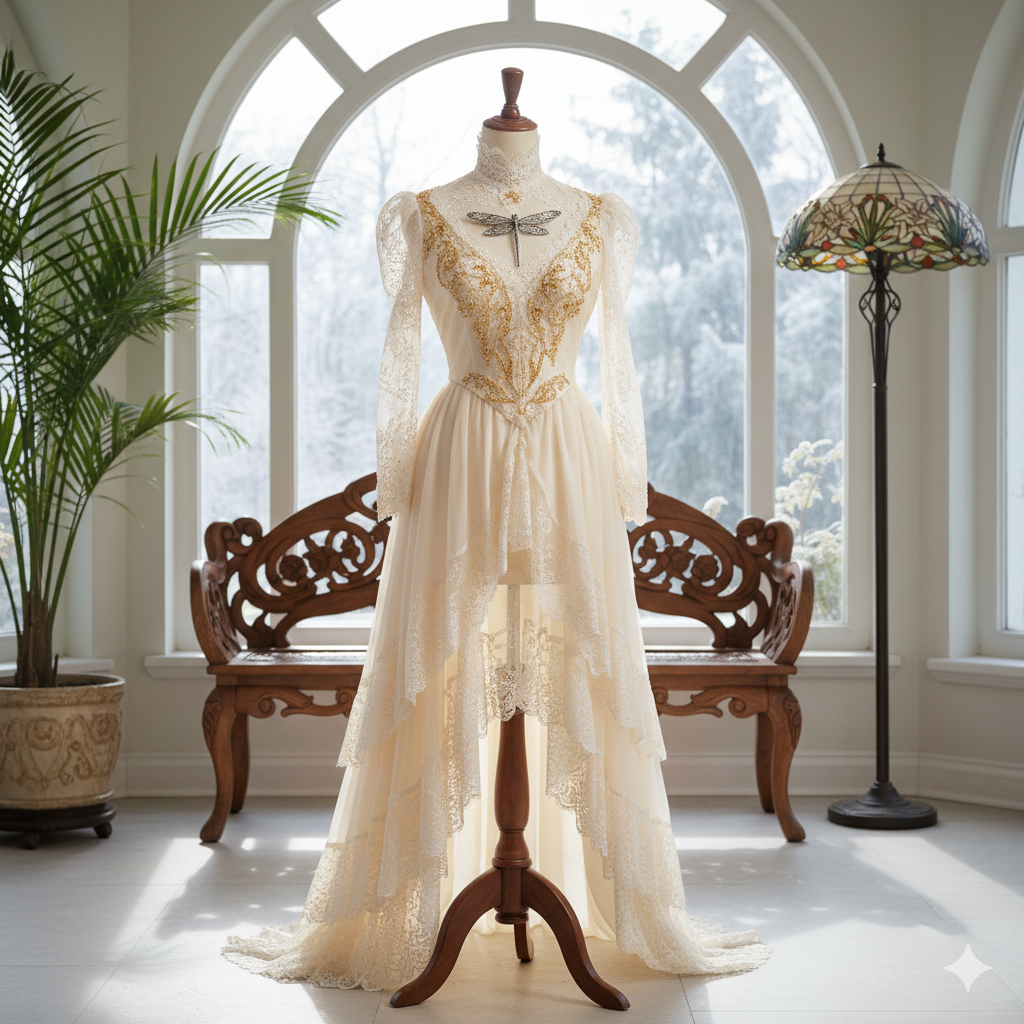
The "Art Nouveau Lily" Gown is a masterpiece of early 20th-century design (circa 1905), capturing the ethereal and organic essence of the Belle Époque. This visiting gown was designed for the sophisticated woman who embraced the new century's artistic movements while maintaining the utmost social standing.
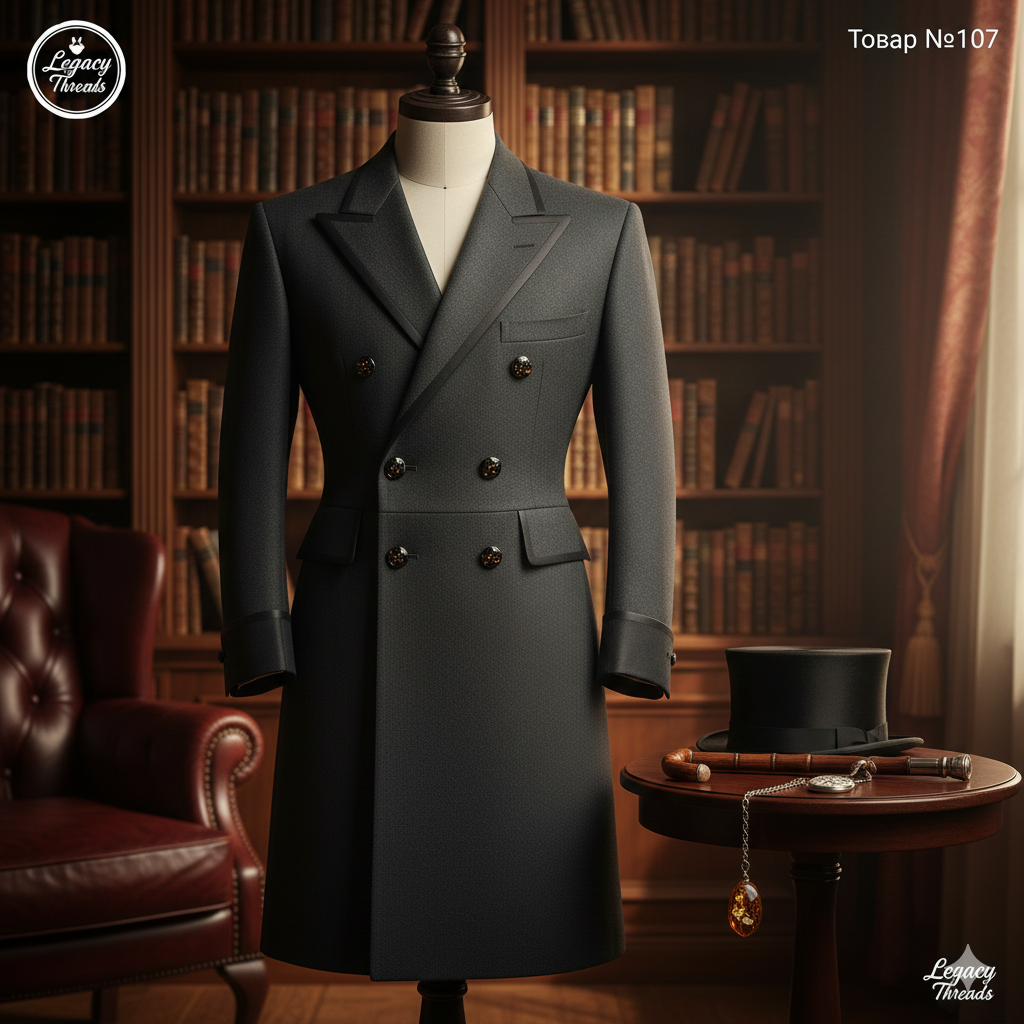
The "Mayfair Mist" Frock Coat is the epitome of Victorian masculine tailoring, representing the sober yet commanding presence of a gentleman in the 1890s. This double-breasted coat was the standard for formal daytime wear, from business meetings in the City to strolls through Hyde Park.
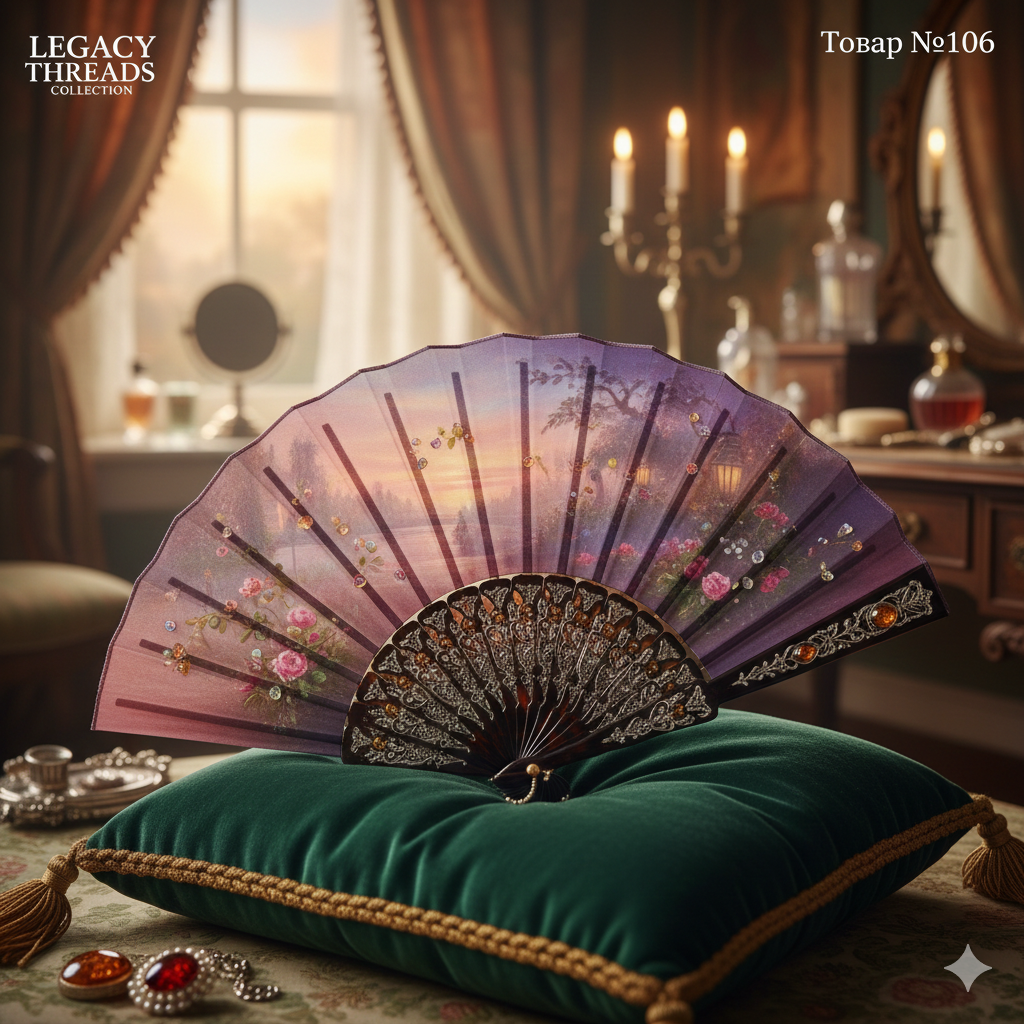
The "Twilight Enigma" Fan is a sophisticated accessory, a must-have for a discerning lady navigating the crowded ballrooms and intimate soirées of late Victorian London. More than just a cooling device, a fan was a tool of silent communication and an extension of a woman's elegance.
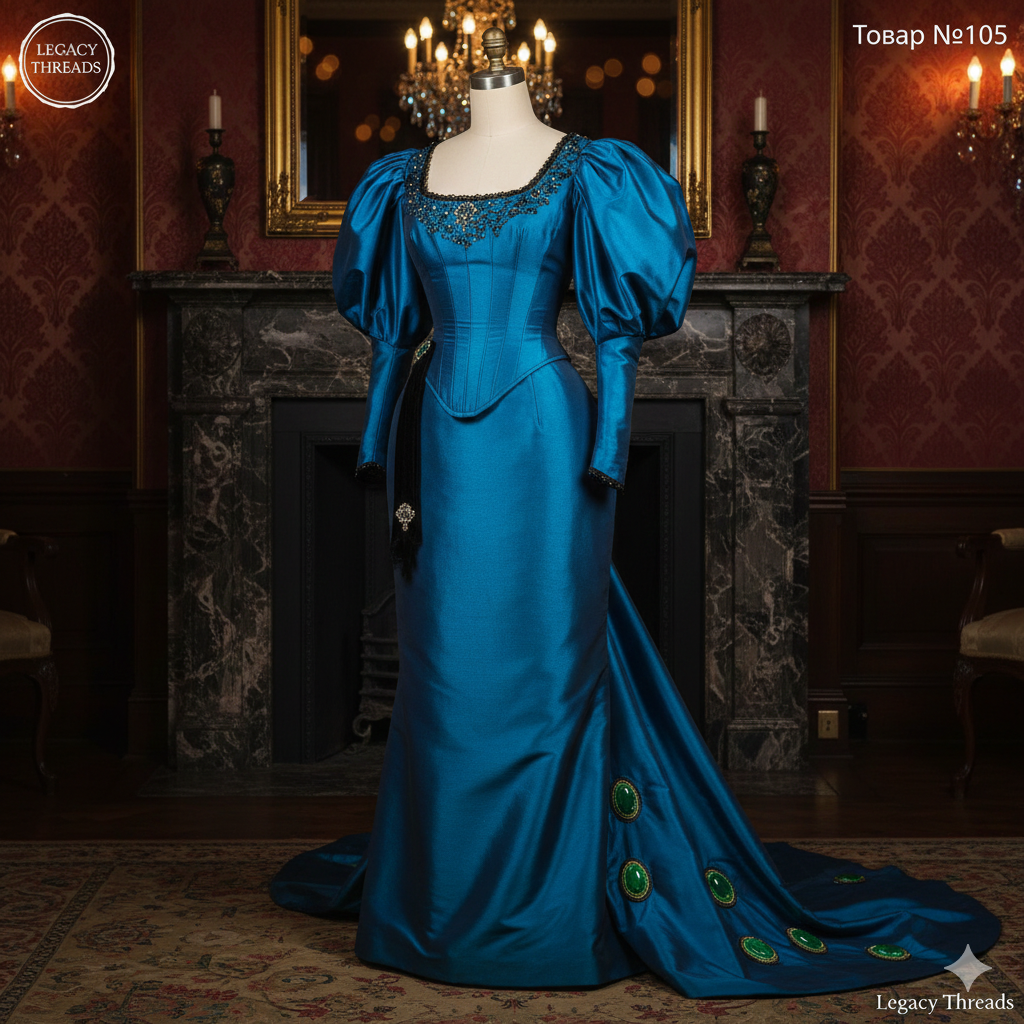
The "Royal Peacock" Evening Gown is a dazzling example of late Victorian elegance, perfectly suited for a grand ball at a London townhouse or a private concert. This opulent dress captures the height of 1890s fashion, emphasizing a dramatic silhouette with rich textures and intricate detailing.
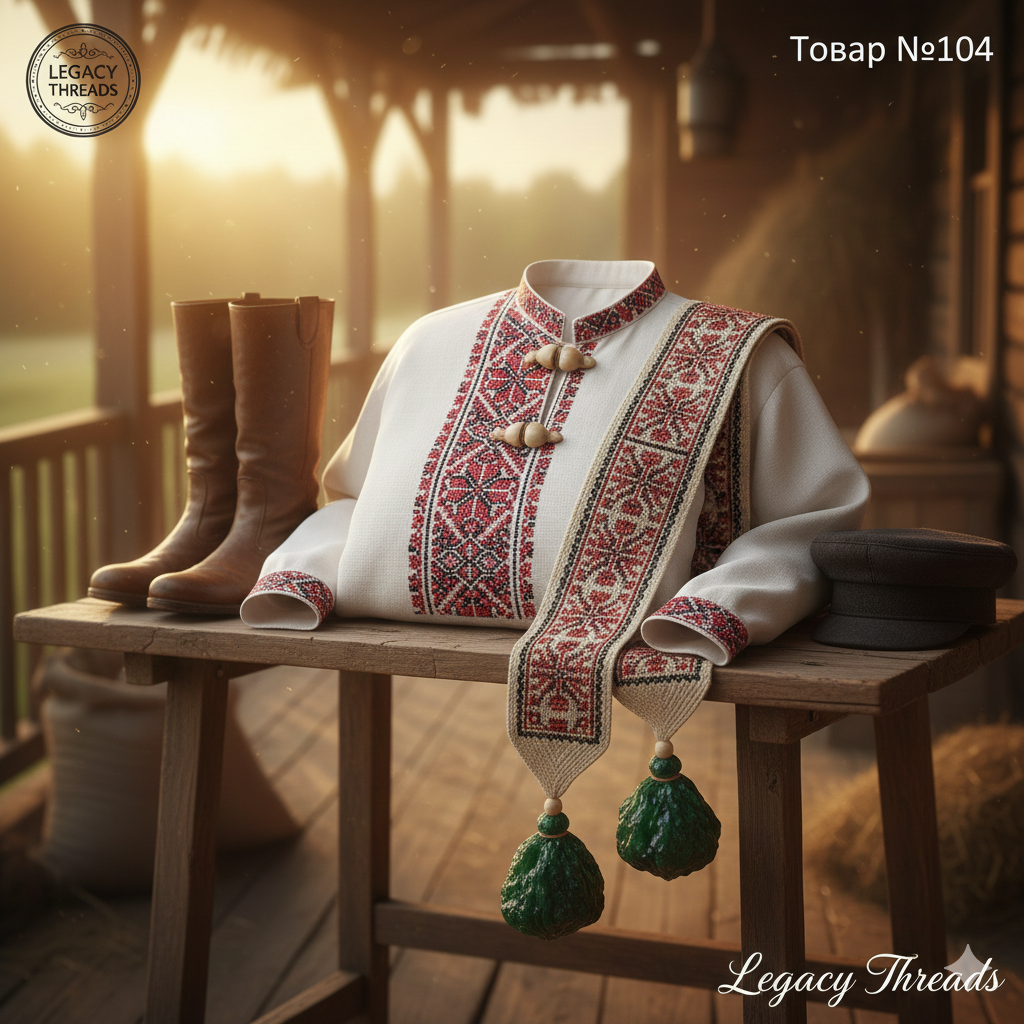
The "Fairground Dandy" Set is a robust and handsome tribute to the masculinity of the Russian countryside. At its heart is the "Kosovorotka"—a traditional shirt with a side-slit collar, designed to keep the wearer's neck warm and prevent a chest cross from falling out during physical labor or festivities.
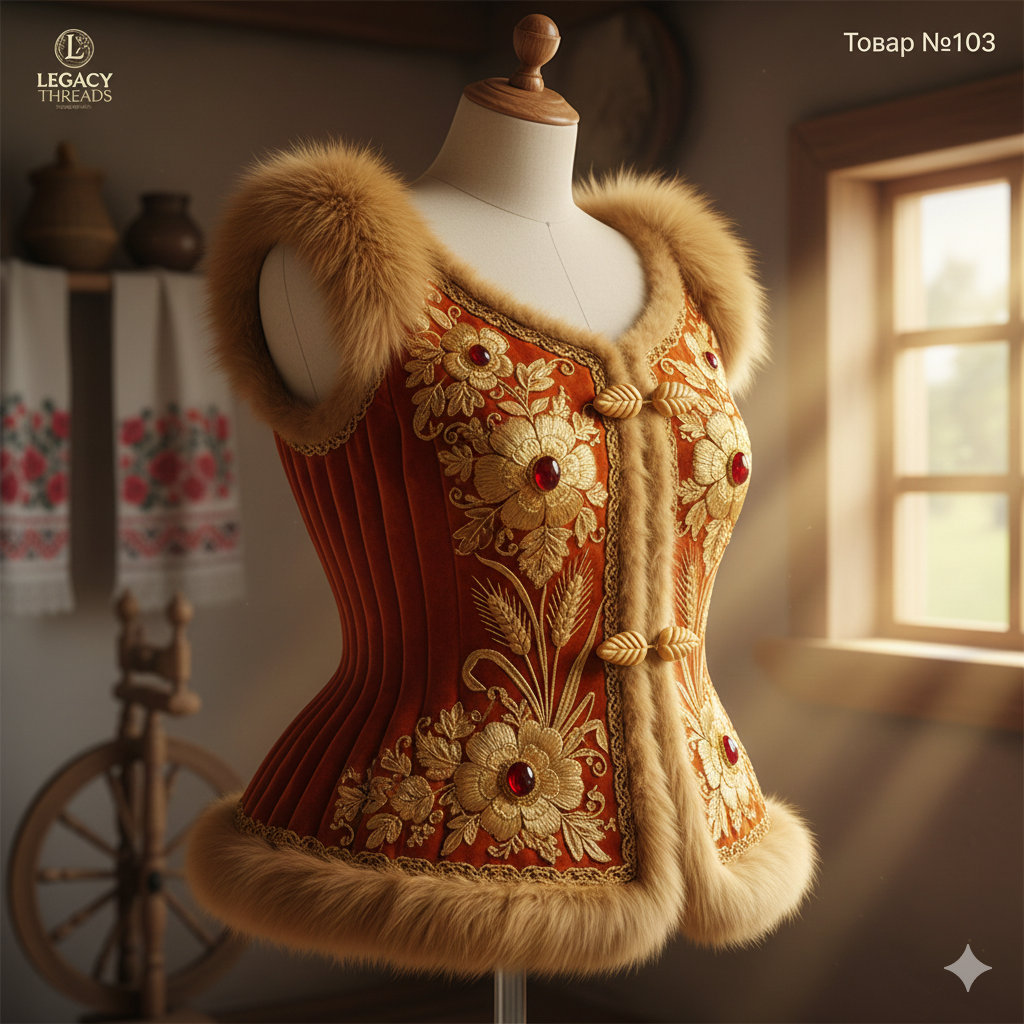
The "Golden Rye" Dushegreya is a luxurious vest-like garment that served as a centerpiece of festive attire for peasant women in Central Russia during the late 19th century. Literally meaning "soul-warmer," the dushegreya was more than just a layer of clothing; it was a display of familial wealth and embroidery skill.