𝔼𝕩𝕡𝕠𝑀𝑜𝒹



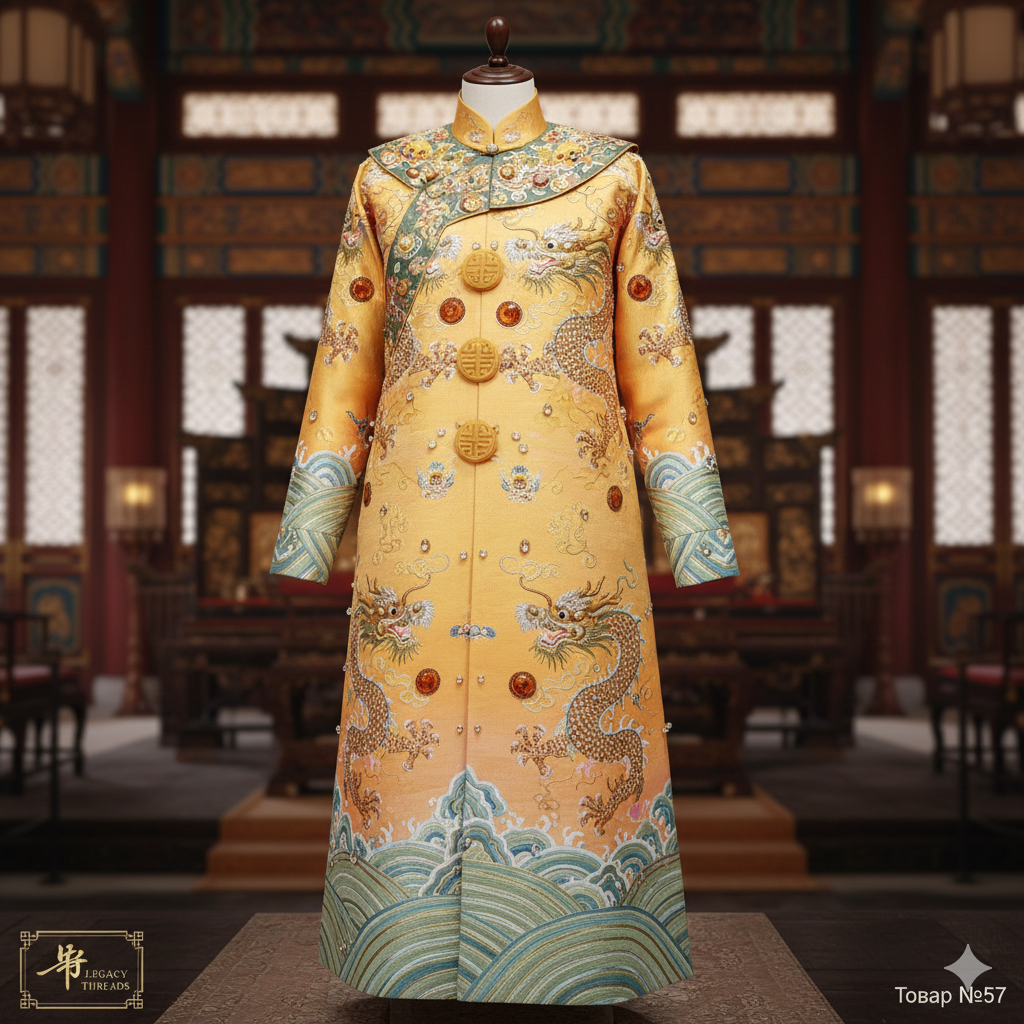
The "Vernal Dragon" is a masterful reinterpretation of the Jifu (semi-formal court robe) from the Qianlong era. This garment is a cosmic map, representing the universe with the earth at the hem and the heavens at the neck.

The "Imperial Procession" Chatelaine is a functional masterpiece that epitomizes the organized luxury of Catherine the Great’s era. While French chatelaines were often delicate, the Russian court favored a more substantial, "architectural" grandeur. This piece was designed to be worn at the waist, clipped to the sturdy silk belt of a grand gown.
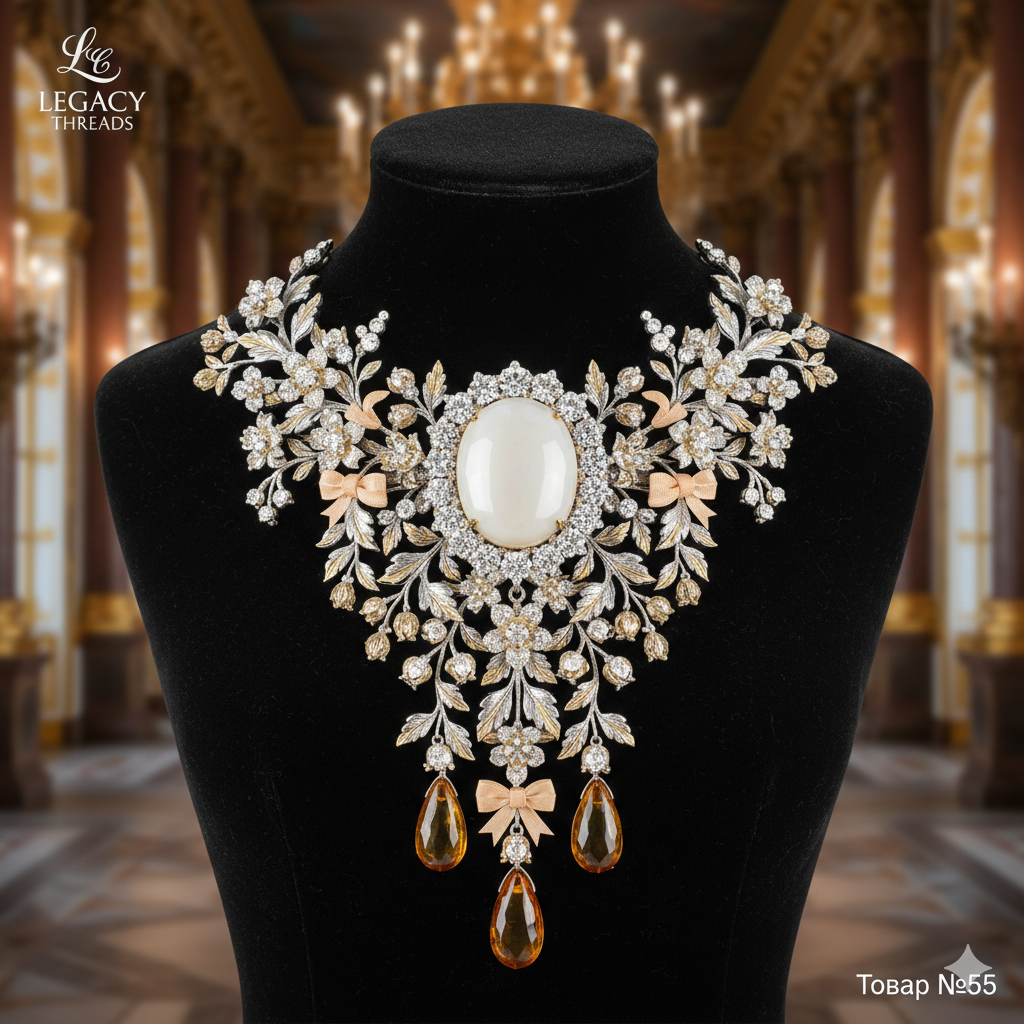
The "Catherine’s Jasmine" Brooch is a grand stomacher piece, a quintessential accessory for the mid-to-late 18th-century Russian court. Such large-scale jewelry was designed to be pinned to the center of the bodice, serving as the focal point of an Empress’s ensemble during diplomatic receptions or grand balls.
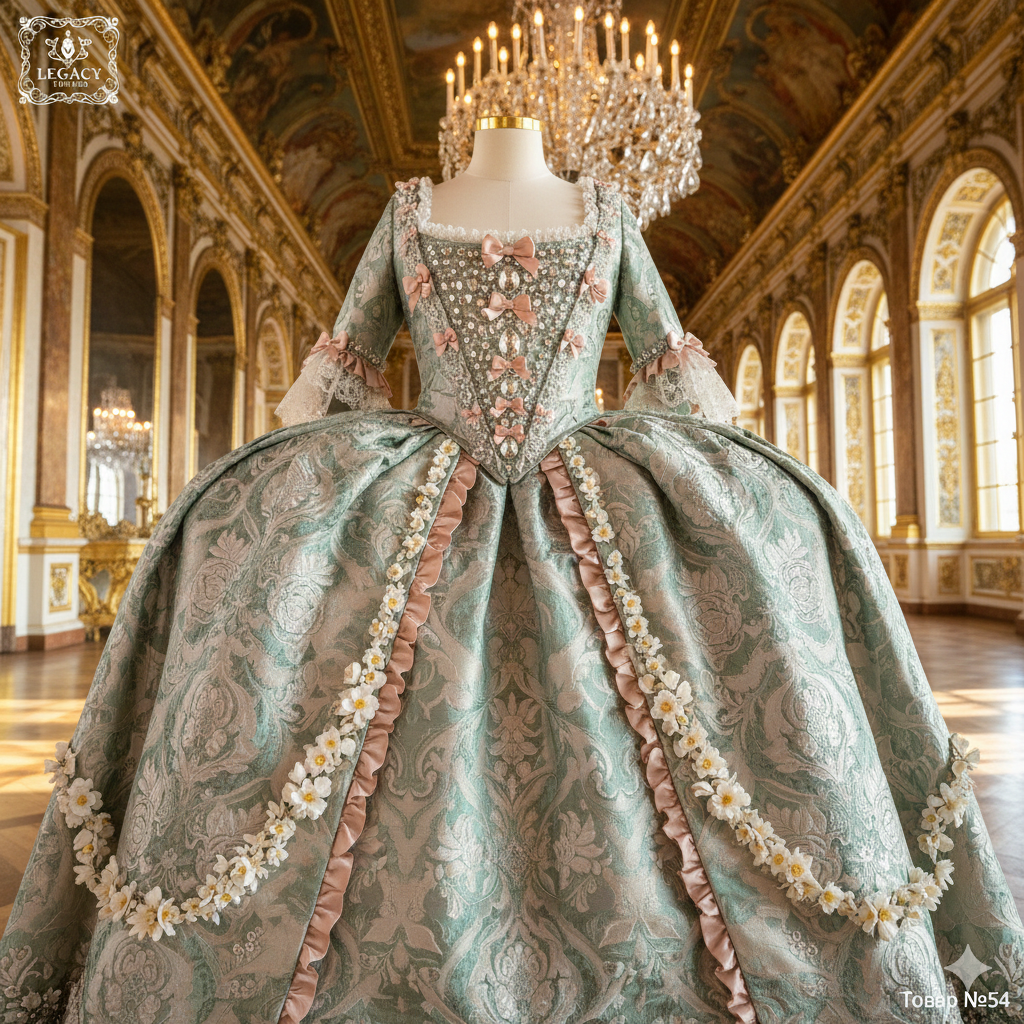
The "Northern Aurora" Gown is a tribute to the "Empress of Joy," Elizabeth Petrovna. Her reign was a whirlwind of 15,000 dresses and legendary masquerades. This gown captures the transition from flamboyant Baroque to the refined Russian Rococo.
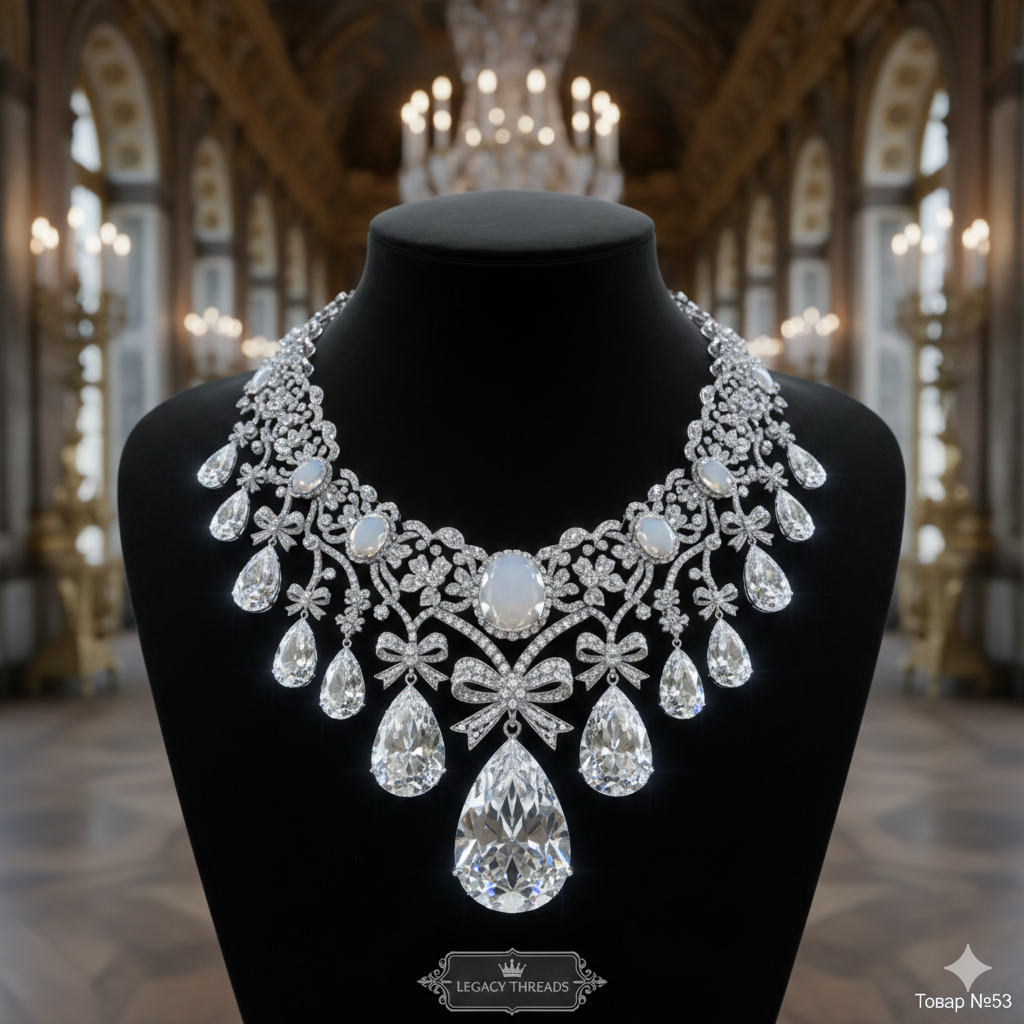
The "Diamond Fate" Necklace is a breathtaking reconstruction of the most scandalous piece of jewelry in history. Originally designed by Parisian jewelers Boehmer and Bassenge for Madame du Barry and later offered to Marie Antoinette, this architectural marvel of gems became the center of a grand swindle that shook the French throne.
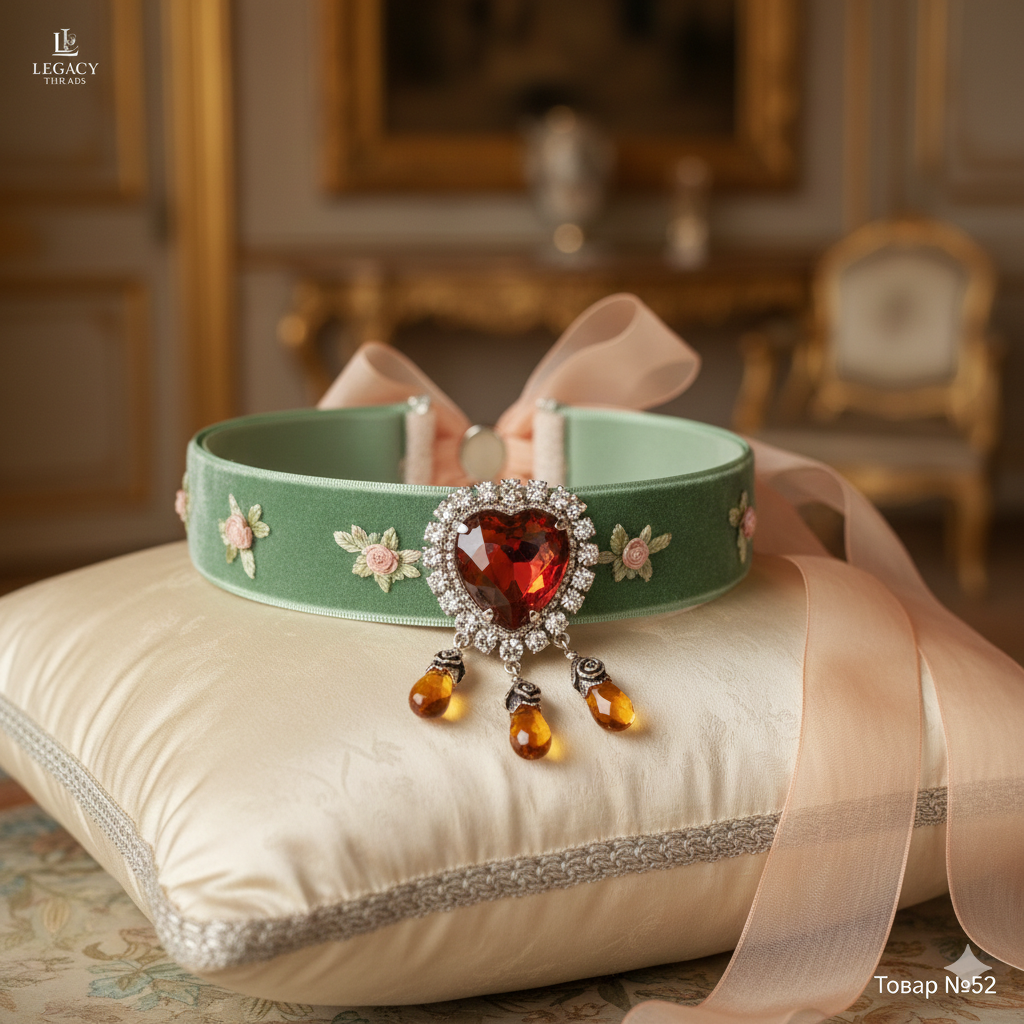
The "Nymph’s Kiss" Choker is a quintessential Rococo accessory, designed to highlight the porcelain-pale neck of an 18th-century lady. During the reign of Louis XV, the neck ribbon or collier de velours became a staple of feminine allure, blending innocence with a touch of provocative elegance.
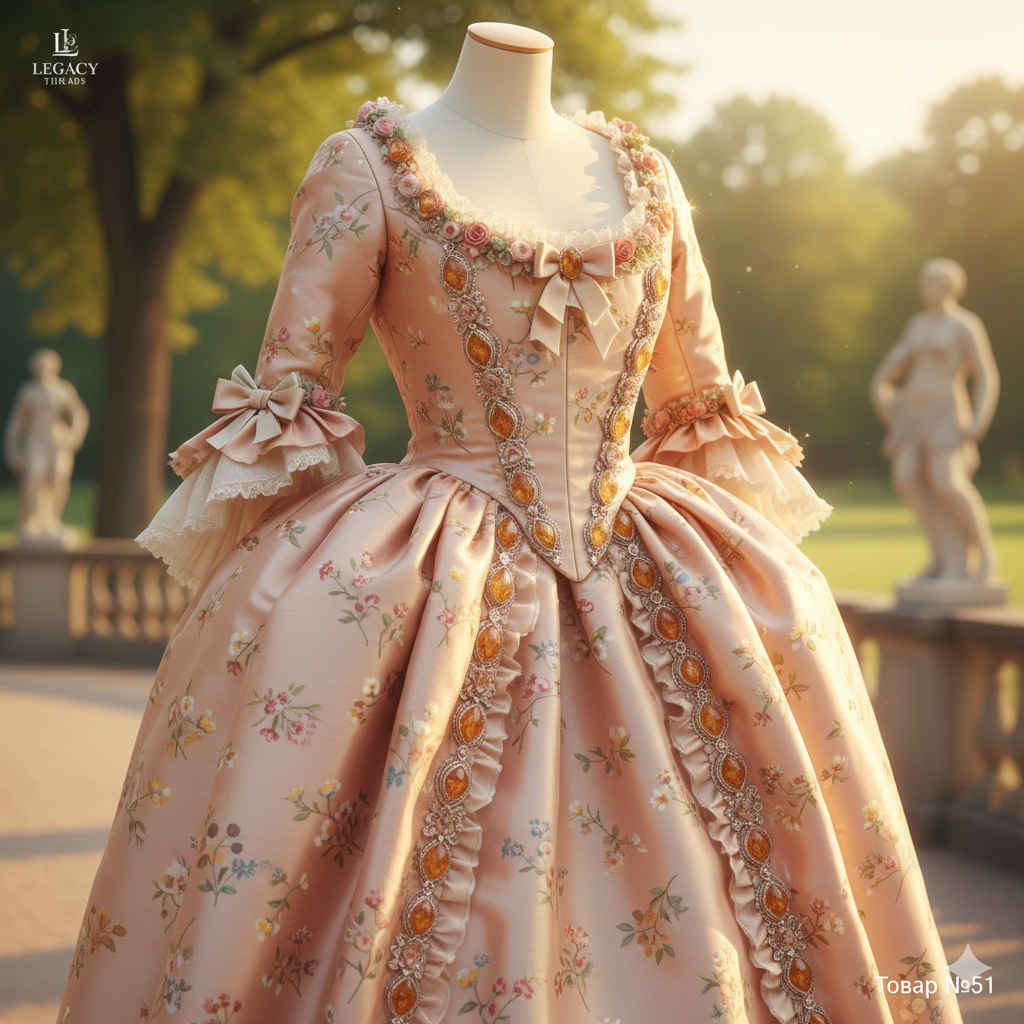
The "Pastoral Dance" Gown is a vibrant homage to the playful and romantic spirit of Rococo fashion in mid-18th century France. This specific style, with its lighter construction and emphasis on natural motifs, was often worn for more informal courtly gatherings or fêtes galantes in the gardens of Versailles.
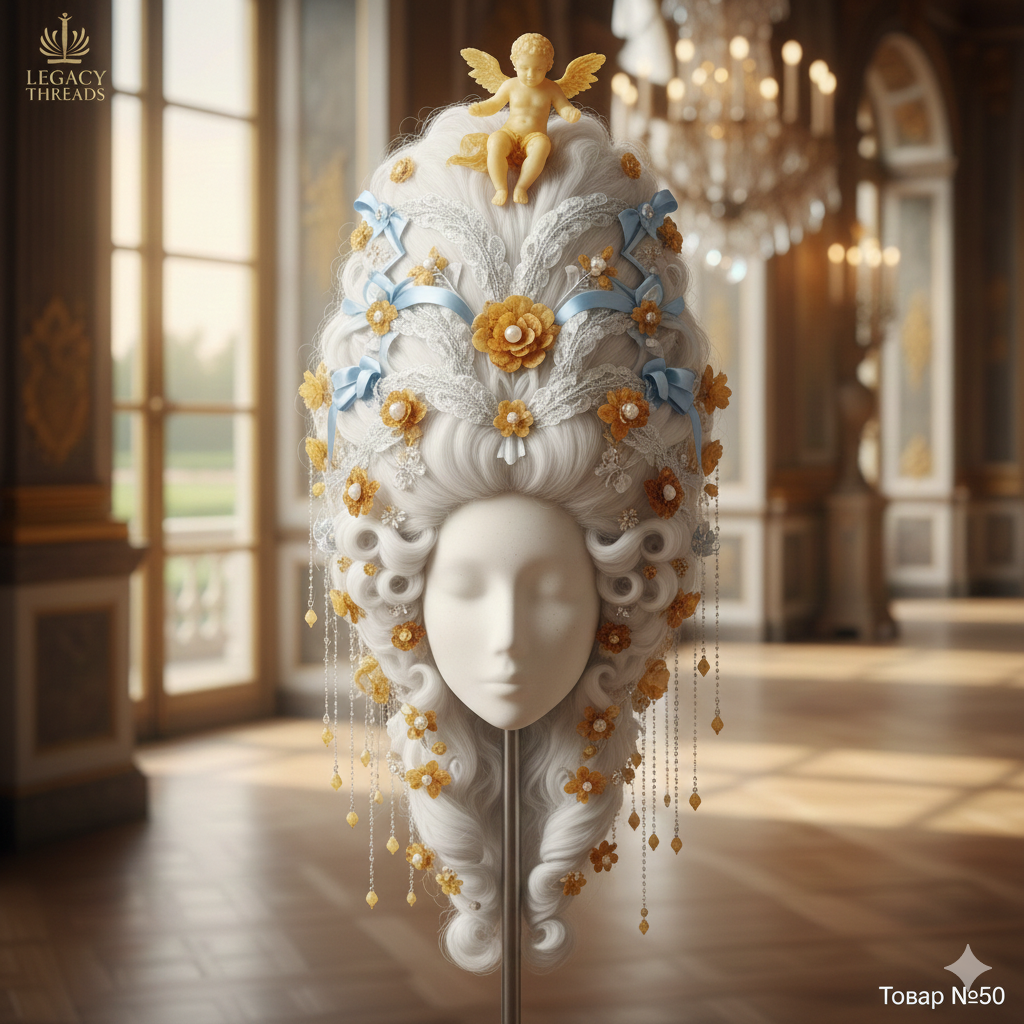
The "Versailles Nymph's Fountain" Wig is a spectacular example of late 18th-century French coiffure, embodying the playful extravagance and artistic ambition of the Rococo era. This particular style, reaching impressive heights, was favored by the most fashionable ladies of the court, reflecting their status and wit.
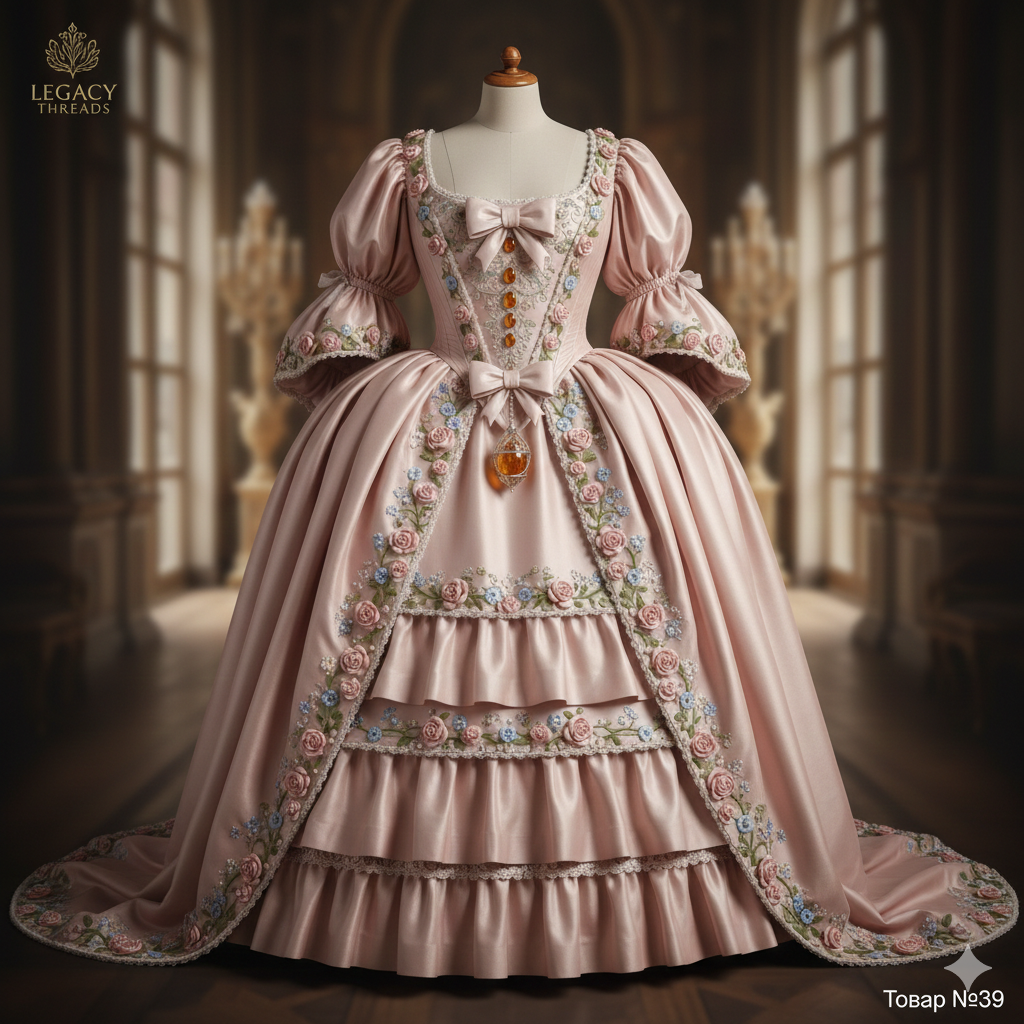
The "Marie-Antoinette's Pastoral" Robe à la Française is a dream of Rococo elegance, capturing the whimsical and opulent spirit of late 18th-century French court fashion, often associated with the young queen's love for pastoral themes and lavish fabrics.