𝔼𝕩𝕡𝕠𝑀𝑜𝒹



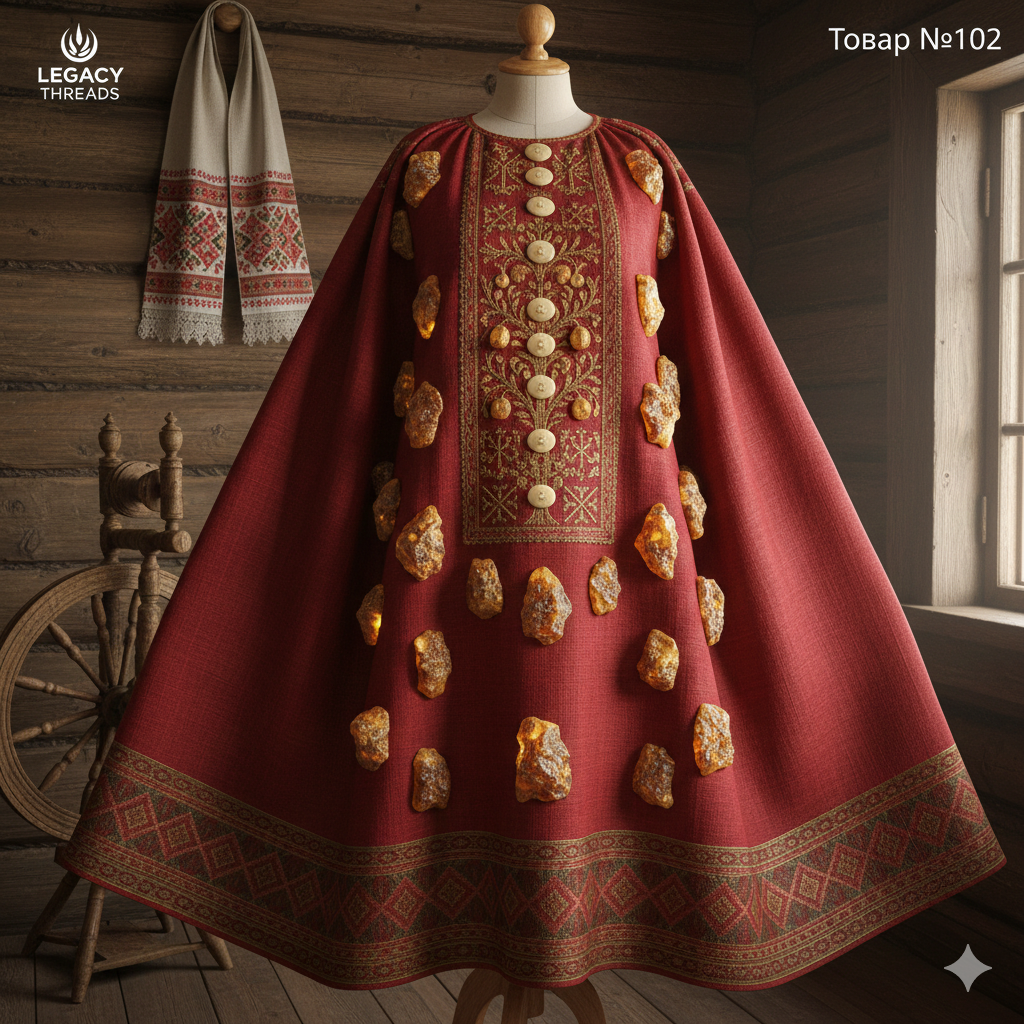
The "Honey Feast" Sarafan is a soulful tribute to the traditional attire of a wealthy peasant family from the Northern provinces of Russia. This festive garment, passed down through generations, represents the pinnacle of village craftsmanship and the deep connection between folk art and nature.
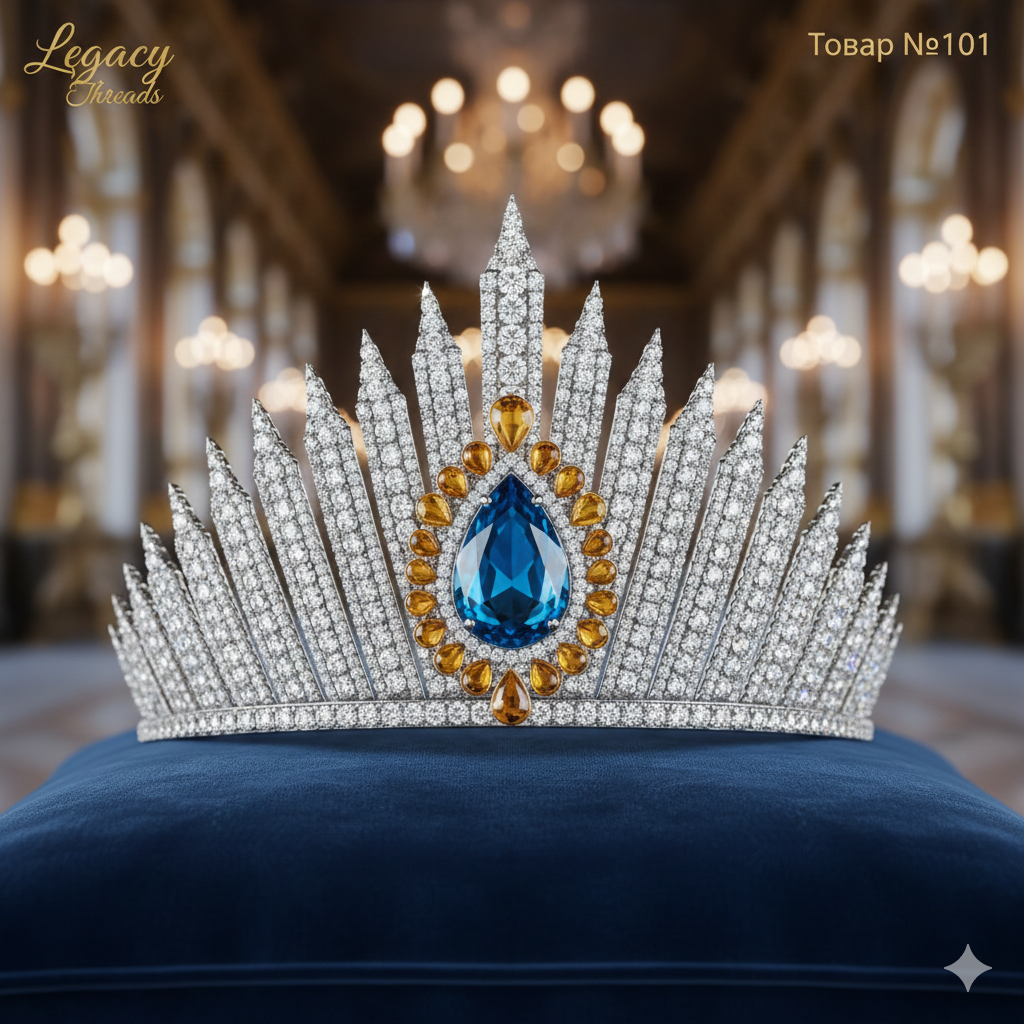
The "Imperial Radiance" Kokoshnik Tiara is a breathtaking tribute to the Romanov court's fascination with national heritage. This fringe-style tiara, inspired by the traditional Russian peasant headdress, was the ultimate symbol of power and grace for a Grand Duchess during the spectacular balls of the 1890s.
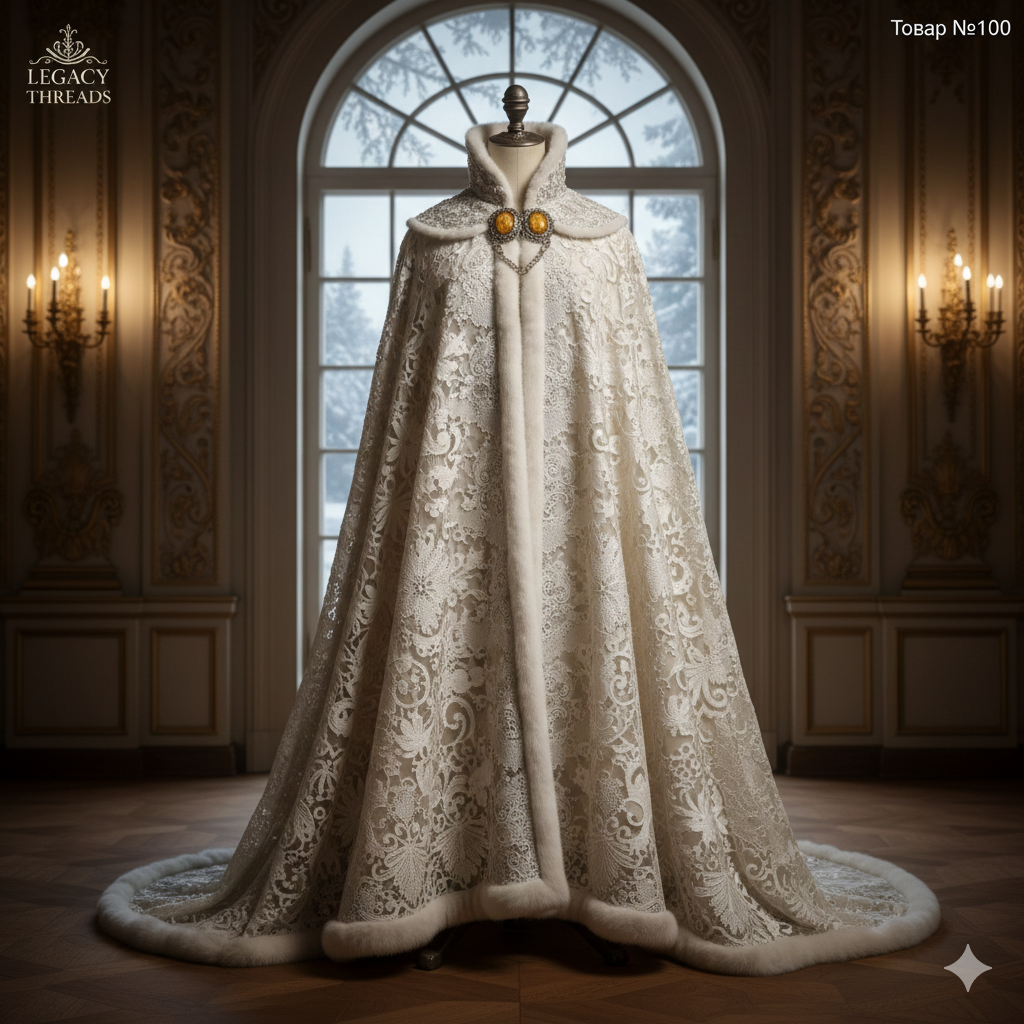
The "Northern Lights" Evening Cape is a masterpiece of textile art, showcasing the delicate precision of Russian Vologda lace combined with the luxurious warmth required for the St. Petersburg social season. This mid-length cape was a quintessential accessory for a noblewoman arriving at the Winter Palace for a winter gala.
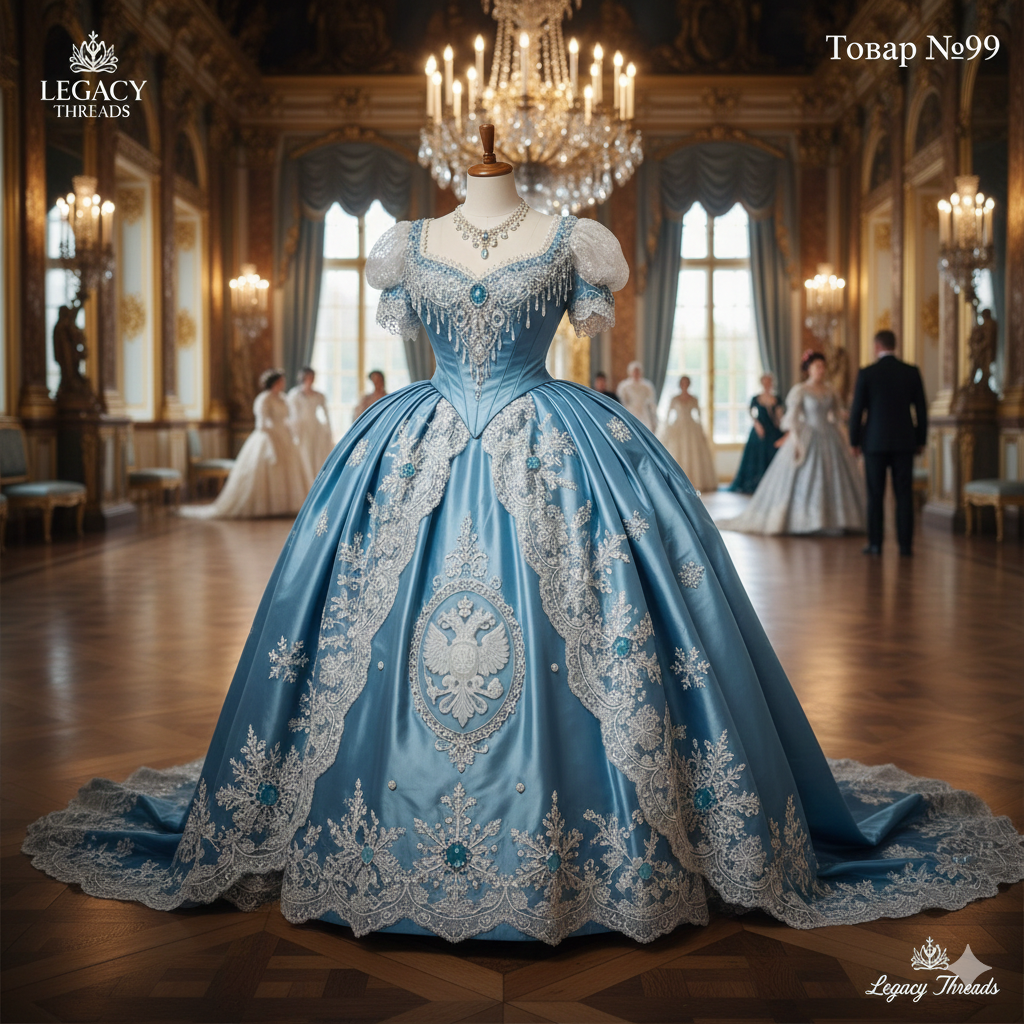
The "Palace Ice" Ball Gown is a magnificent representation of Russian court fashion from the late 19th century, designed for grand Imperial balls. This gown captures the opulent elegance and regal austerity often associated with the Romanov era, combining voluminous silhouettes with exquisite, sparkling details.
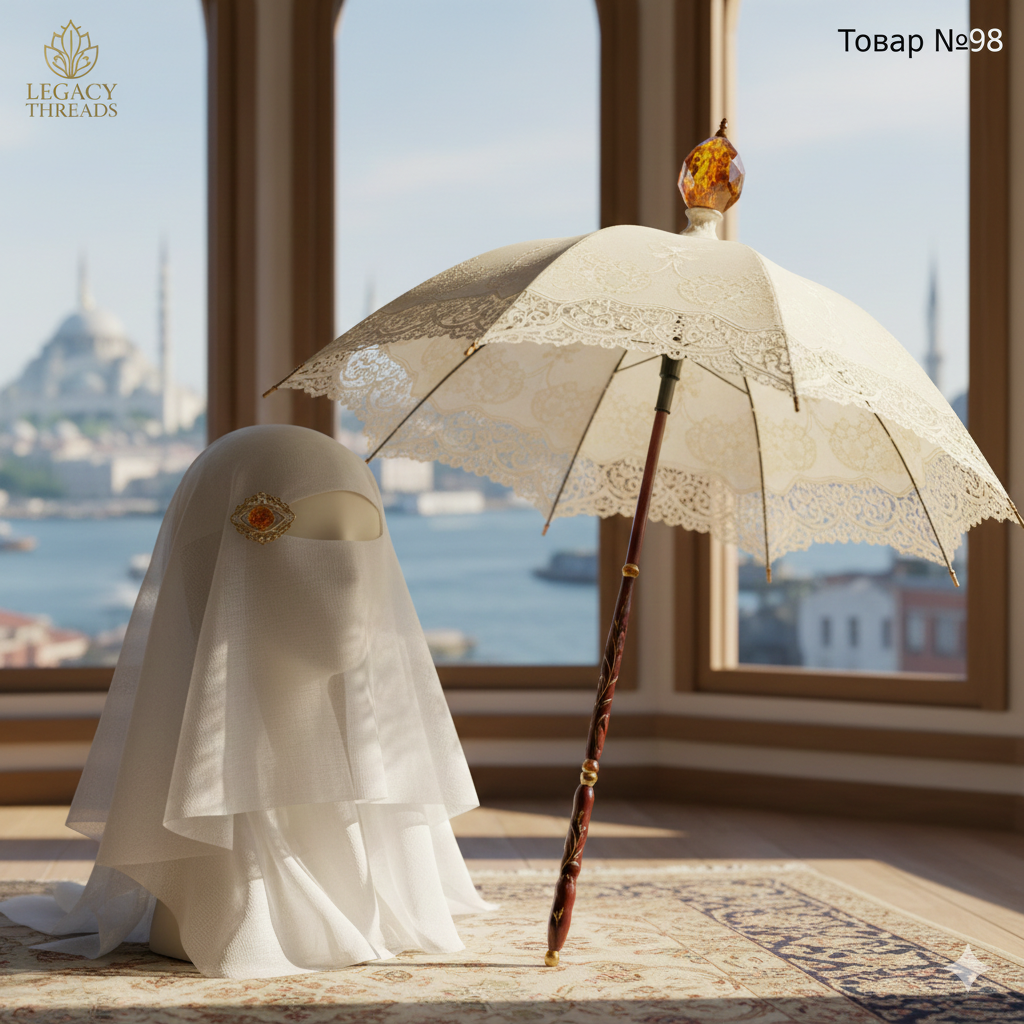
The "Bosphorus Breeze" Promenade Ensemble is a sophisticated pairing of a traditional Turkish yashmak and a fashionable European-style parasol, reflecting the unique cultural blend of 1850s Istanbul. As Ottoman ladies began to enjoy public strolls along the waterfront, their accessories became statements of both modesty and modern taste.
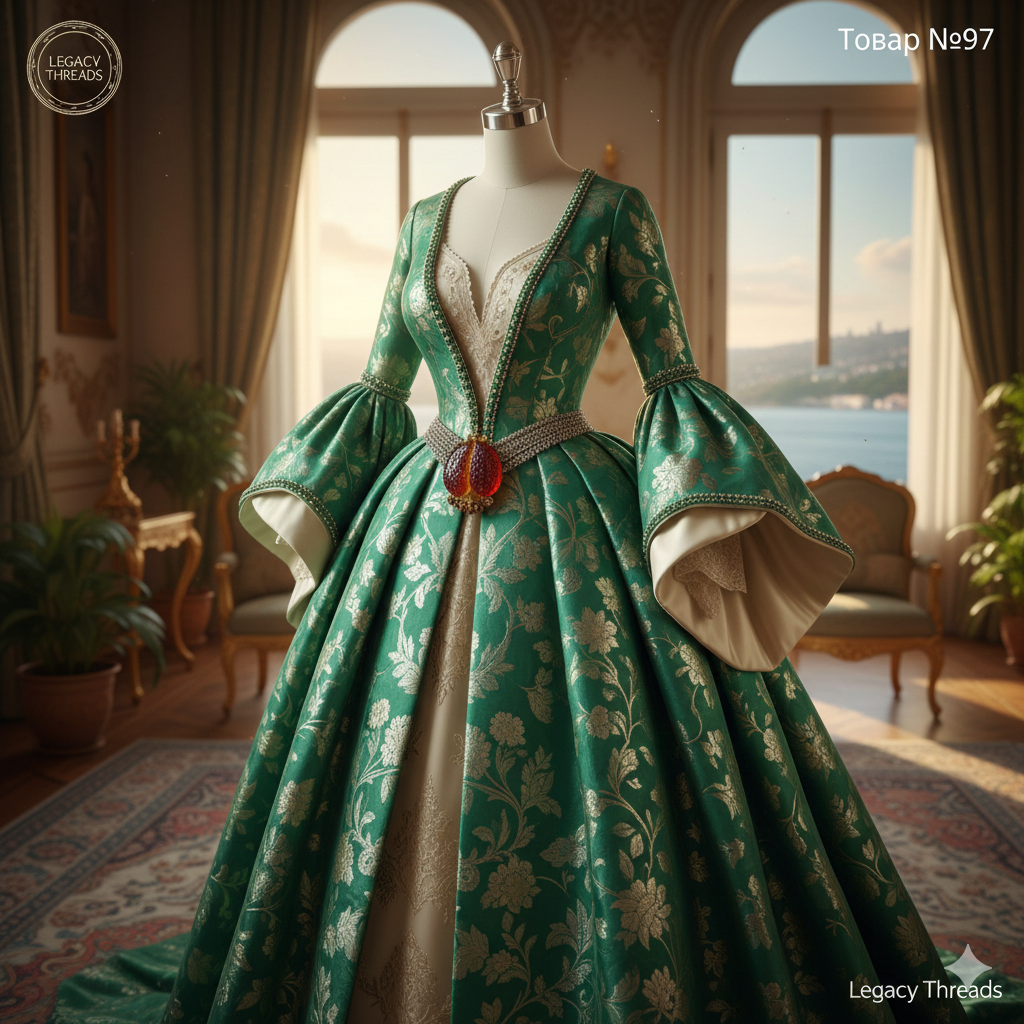
The "Dolmabahçe Palace" Entari is a mesmerizing example of the "Westernized Oriental" style that flourished in the Ottoman imperial court during the 1850s. This gown reflects the transition from traditional loose silhouettes to the structured elegance of the Victorian era, as favored by the ladies of the Sultan's harem.
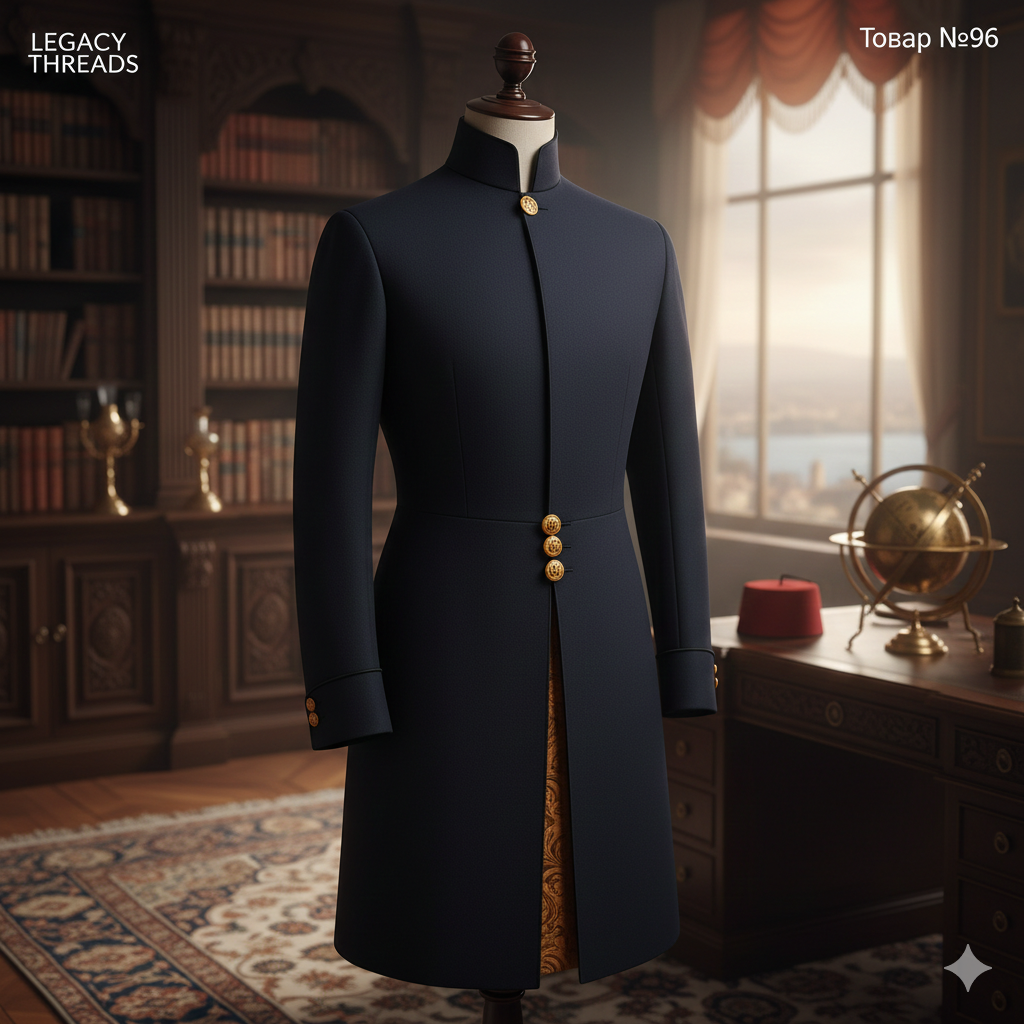
The "Tanzimat Reform" Stambouline is a pinnacle of mid-19th century Ottoman men's fashion. This garment, a unique fusion of the European frock coat and traditional oriental aesthetics, was the official uniform of state officials and the enlightened elite of Istanbul during the 1850s.
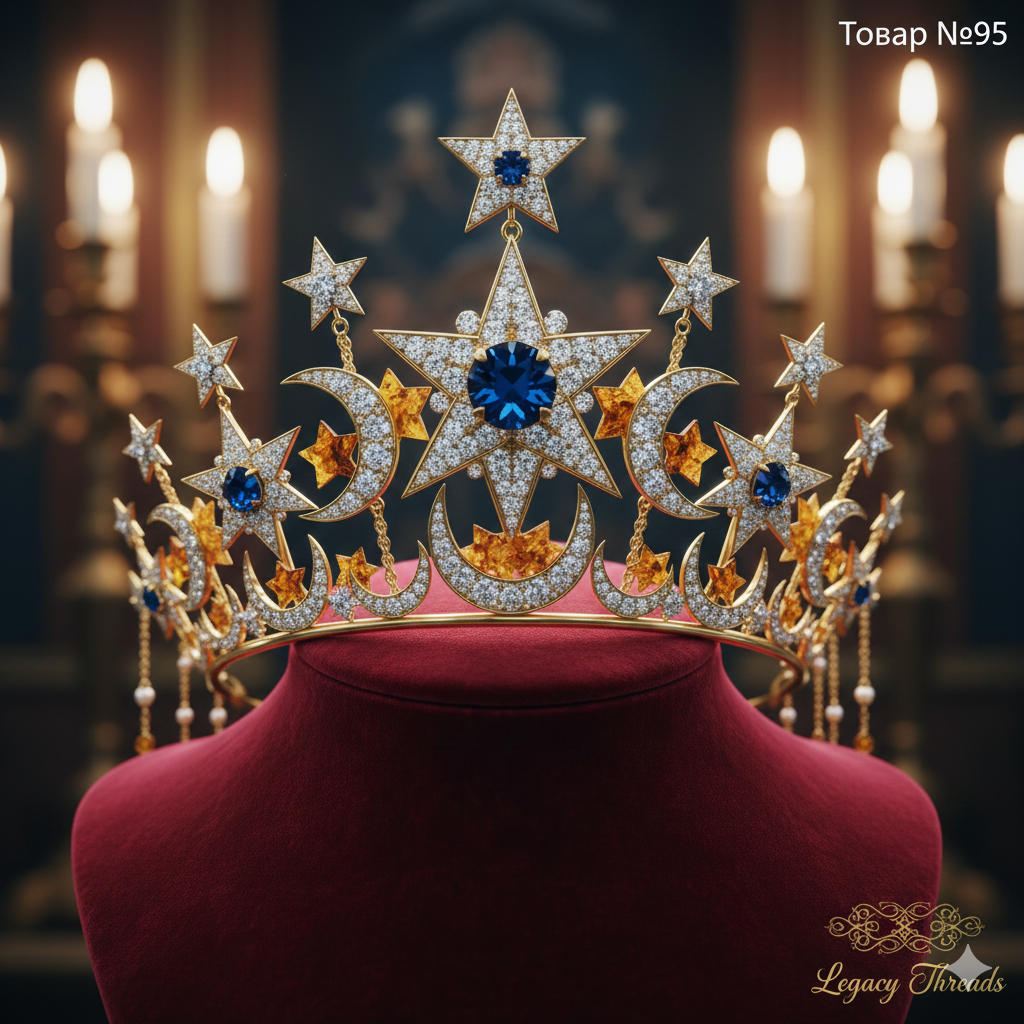
The "Stars of Habsburg" Tiara is a breathtaking piece of imperial jewelry, inspired by the legendary diamond stars commissioned by Empress Elisabeth of Bavaria in the late 1850s. This tiara translates the youthful romance and celestial fascination of Sissi into a structured masterpiece of goldsmithing.
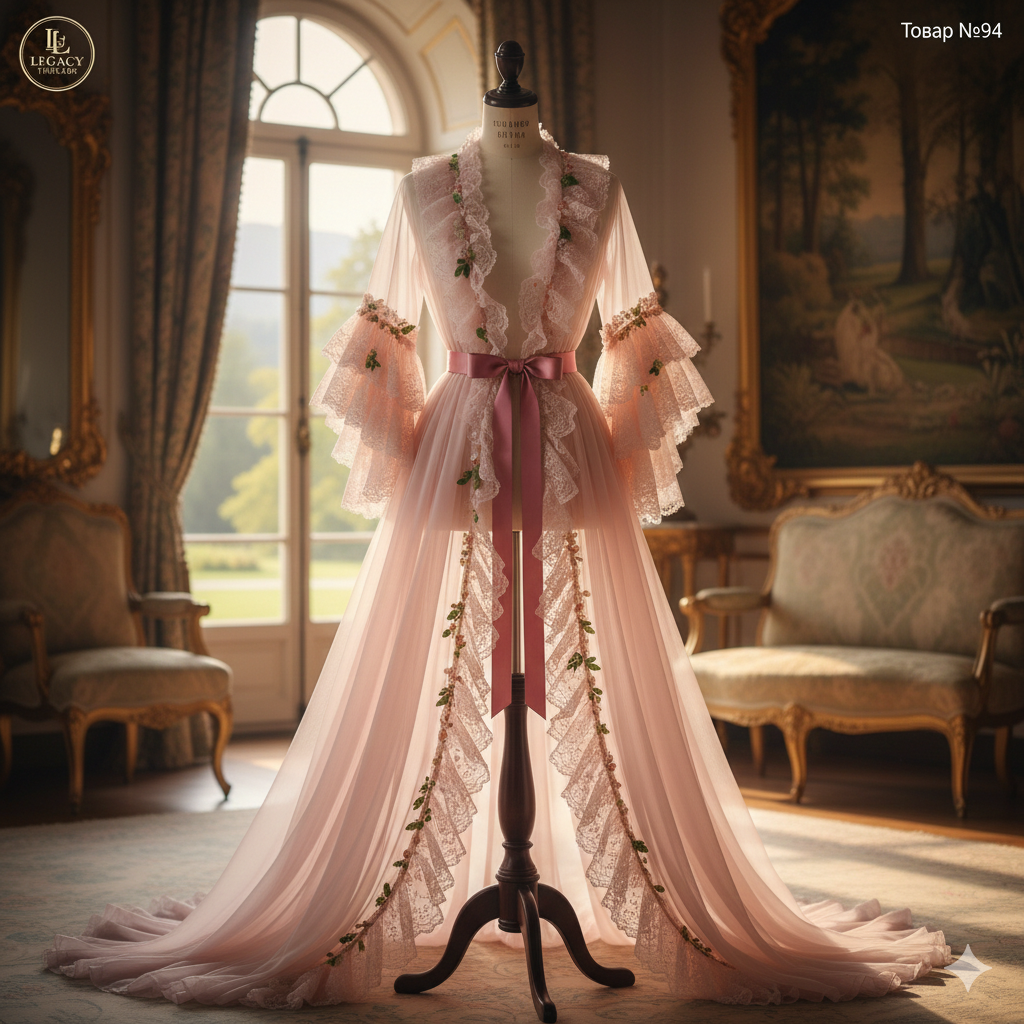
The "Hofburg Garden" Morning Negligee is an exquisite piece of intimate wear, perfectly suited for Empress Elisabeth of Bavaria in the quiet hours of her private apartments in the mid-1850s. This negligee embodies the delicate charm and subtle luxury expected of an imperial lady's personal wardrobe, even when unseen by court eyes.