𝔼𝕩𝕡𝕠𝑀𝑜𝒹



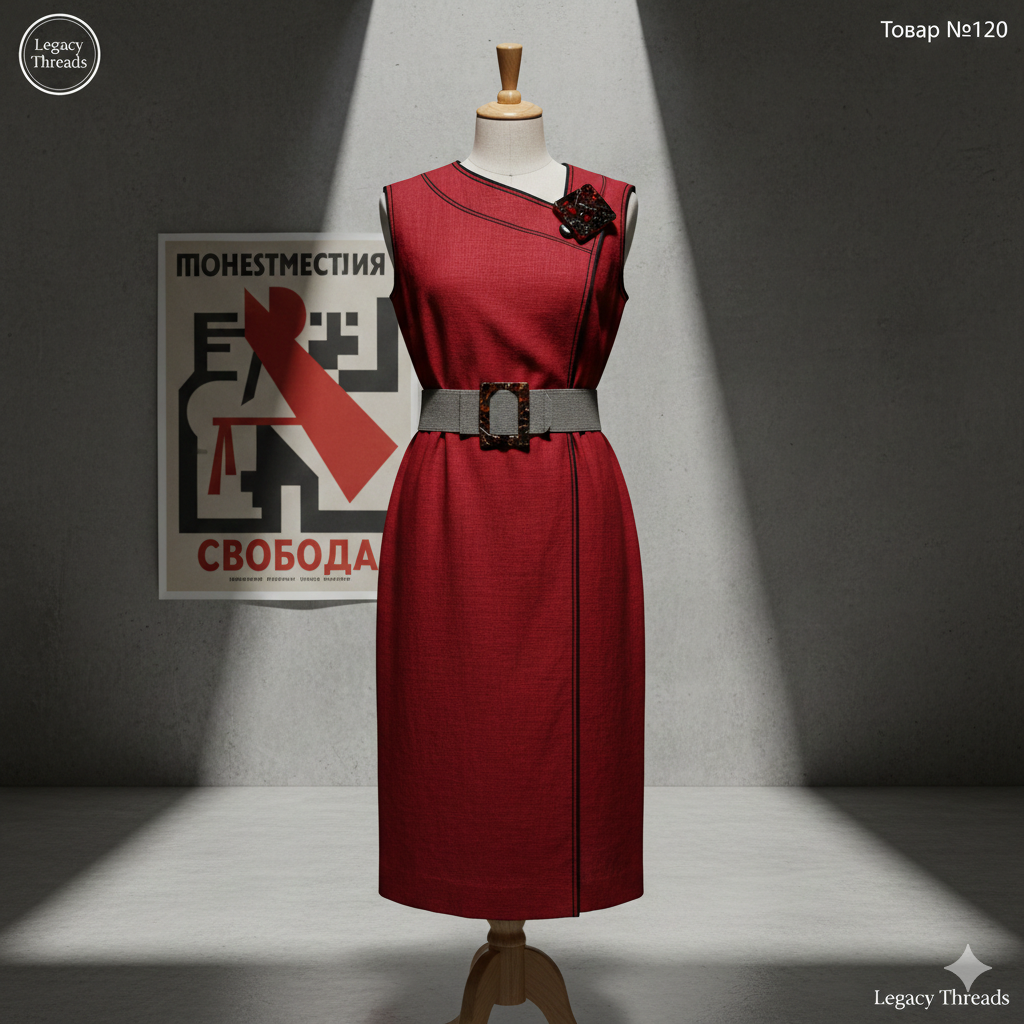
The "October Avant-Garde" dress marks the birth of a new visual language. Inspired by the burgeoning Russian Constructivist movement, this garment rejects the "bourgeois" silhouettes of the past in favor of geometric clarity and revolutionary symbolism. It is a dress for the new woman—a worker, an activist, a builder of the future.
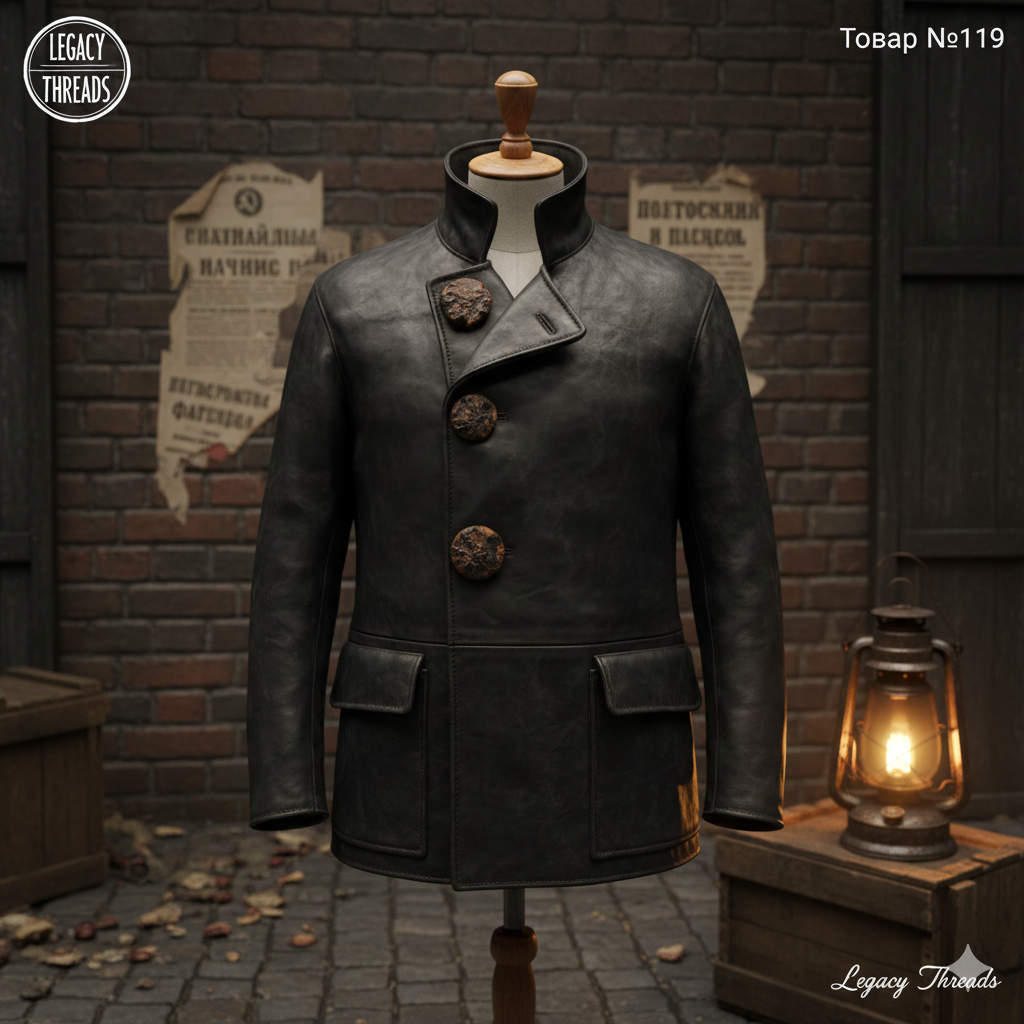
The "February Thunder" leather jacket is a garment of pure transition, shifting from industrial utility to a symbol of revolutionary power. Originally worn by drivers and technical staff, this robust jacket was adopted by the organizers of the February uprising as a uniform of action and authority.
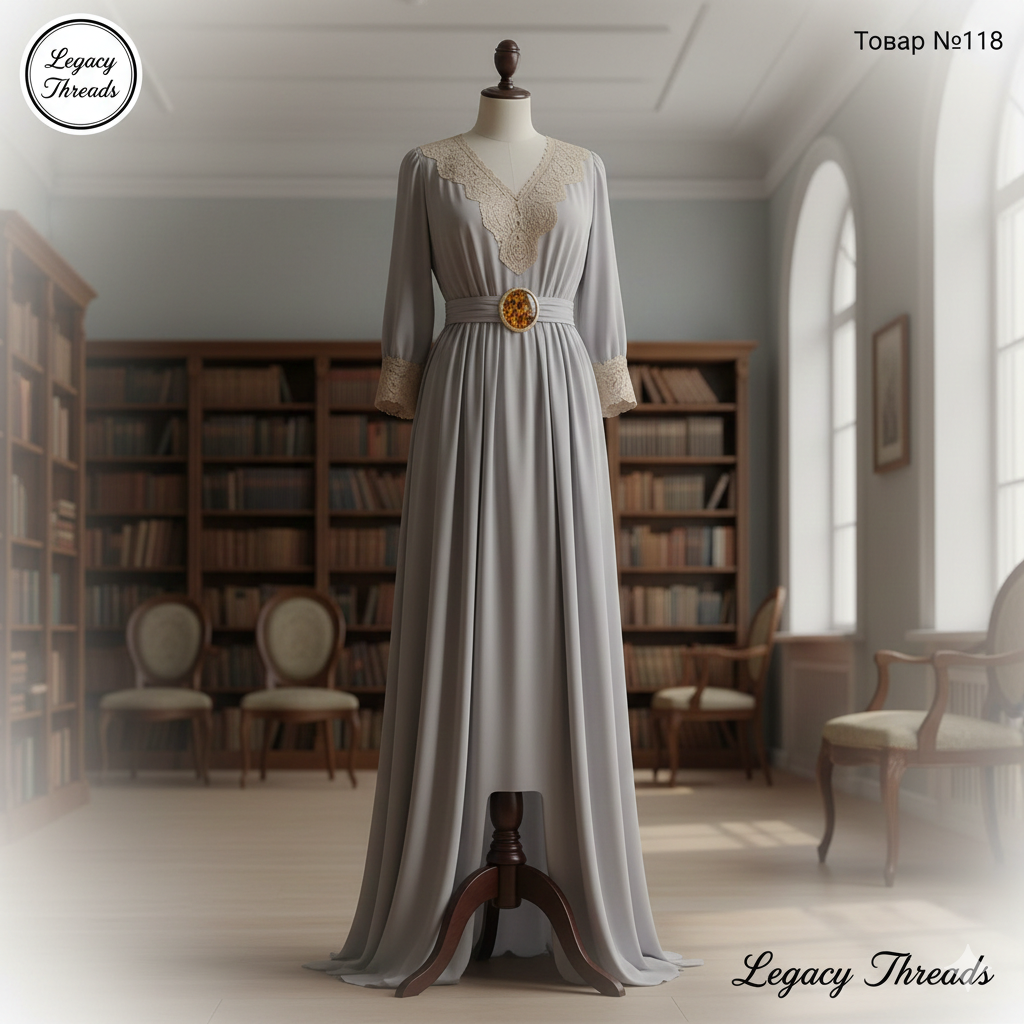
The "Voice of Freedom" gown reflects the evolving role of women in the tumultuous period of the February Revolution. Designed for intellectual gatherings, political discussions, and public appearances, this dress embodies a blend of traditional femininity and burgeoning social assertiveness.
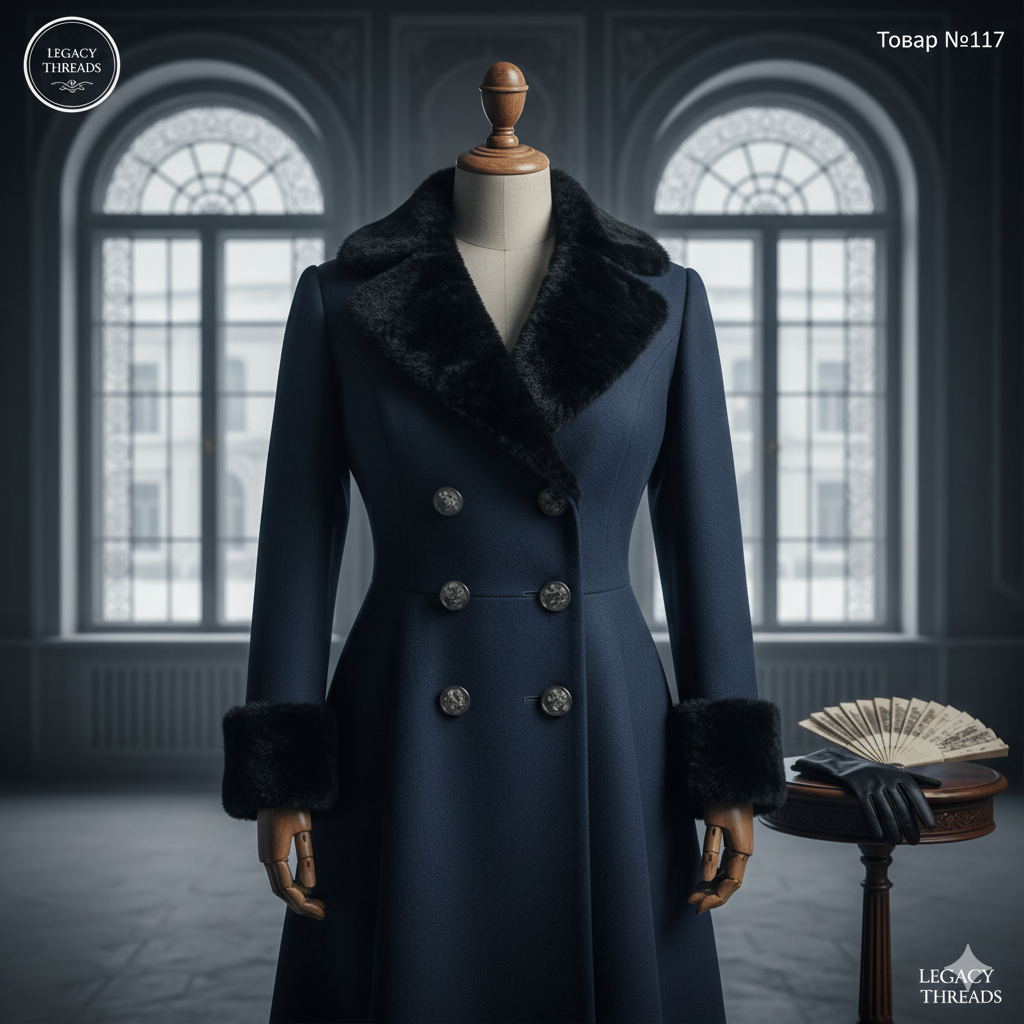
The "Winter Melancholy" coat encapsulates the somber elegance of early 1917 Petrograd, a period of underlying tension beneath a veneer of aristocratic tradition. This garment was designed for formal visits and discreet gatherings amidst the political unrest and harsh Russian winter.
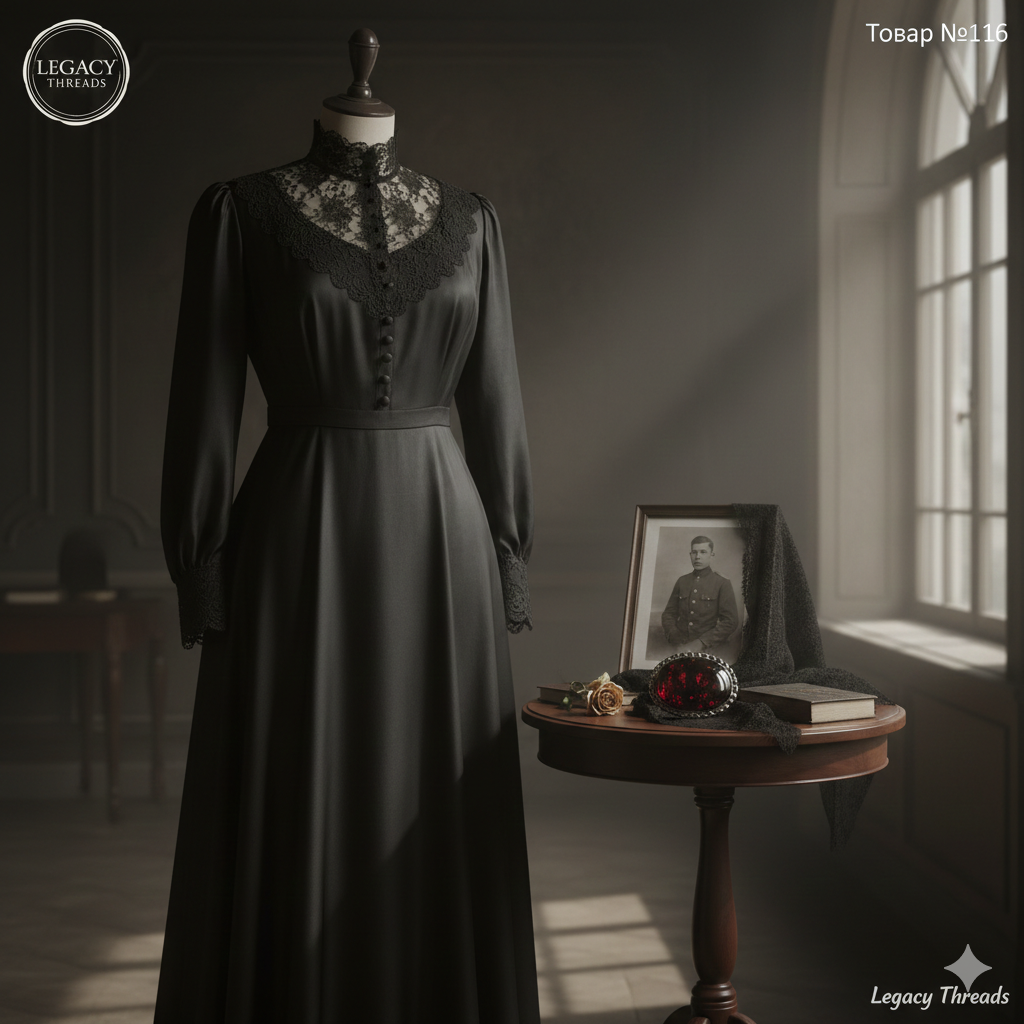
The "Eternal Remembrance" gown is a solemn masterpiece reflecting the quiet dignity of a generation in mourning. In an era of unprecedented loss, the rigid Victorian mourning codes softened into a simpler, yet profoundly elegant silhouette known as the "War Crinoline" (a misnomer for the slightly flared, shorter skirts of the late 1910s).
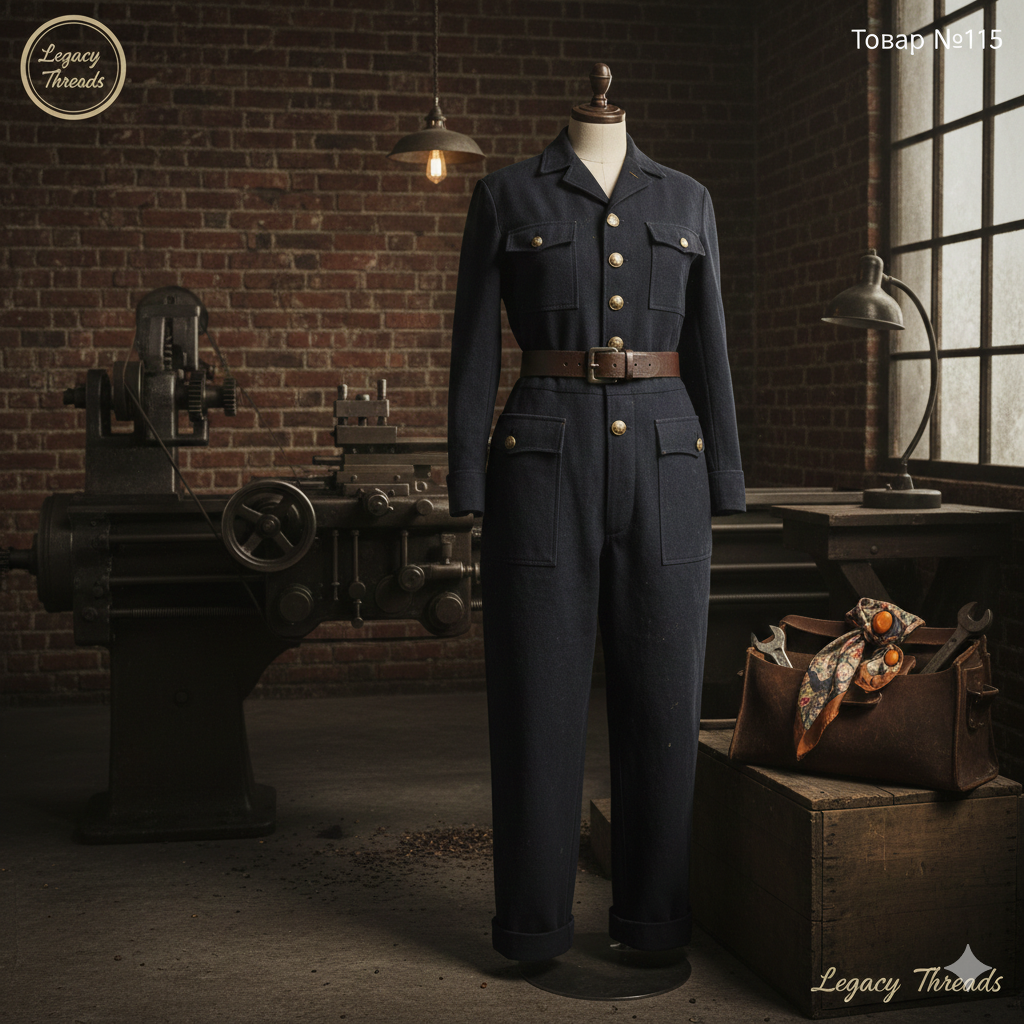
The "Home Front Heroine" suit is a revolutionary ensemble inspired by the "Munitionettes" and the Women's Land Army of the Great War. This garment marks the historic moment when women stepped into trousers for the sake of labor and survival, forever changing the landscape of fashion.
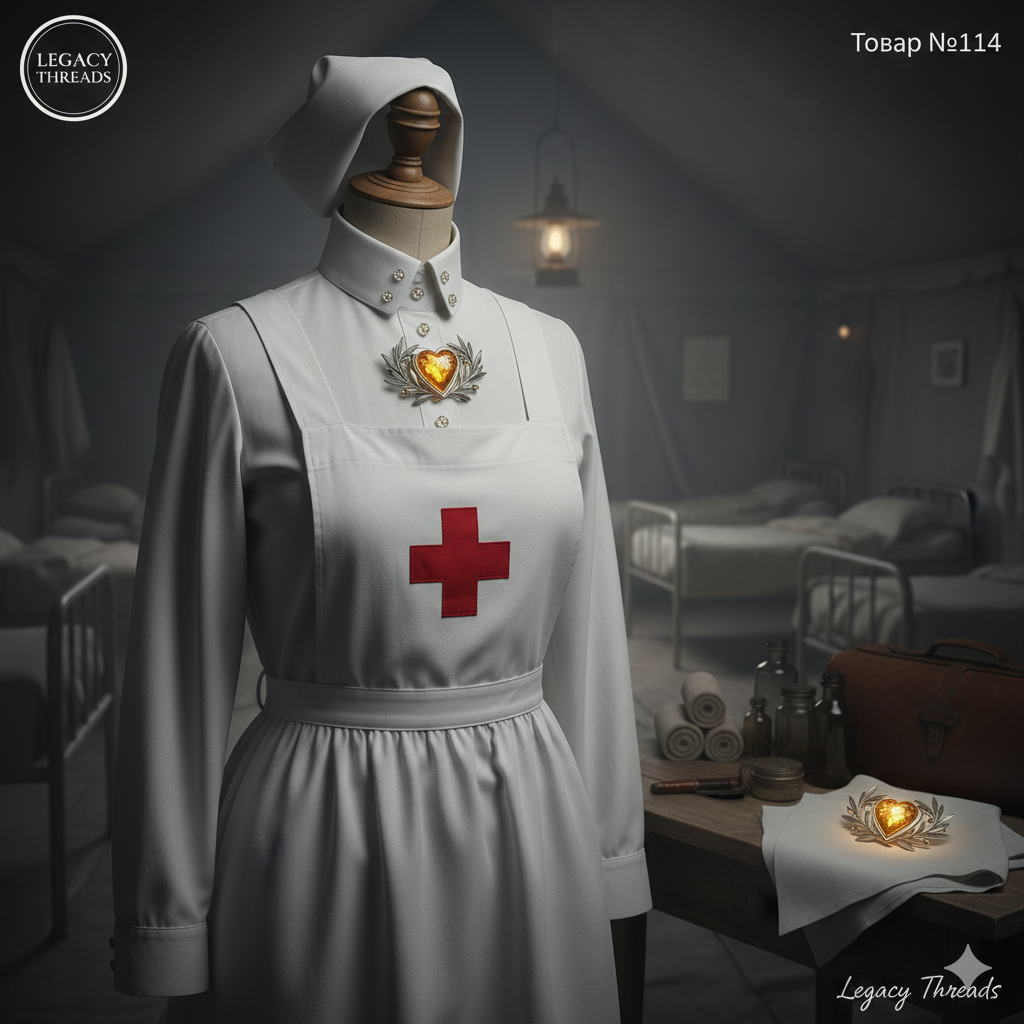
The "White Angel" uniform is a poignant tribute to the courage of the VAD (Voluntary Aid Detachment) nurses during the Great War. This garment represents a radical shift in fashion—moving away from restricted silhouettes to a design that allowed for swift, life-saving movement in military hospitals.
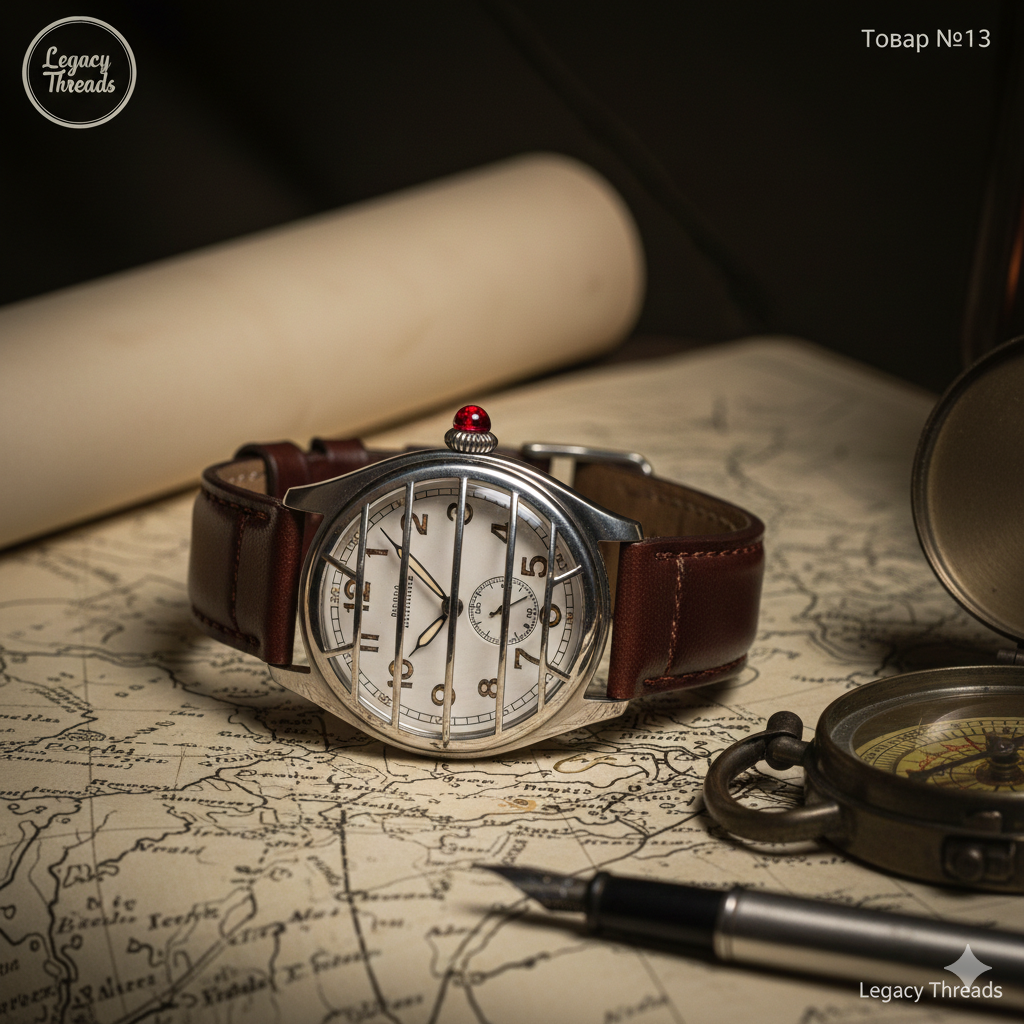
The "Honorable Second" Trench Watch is a faithful reconstruction of the early wristlets that revolutionized timekeeping during the Great War. This timepiece marks the moment the watch migrated from the pocket to the wrist, becoming an indispensable tool for coordinating tactical maneuvers under the cover of mist.
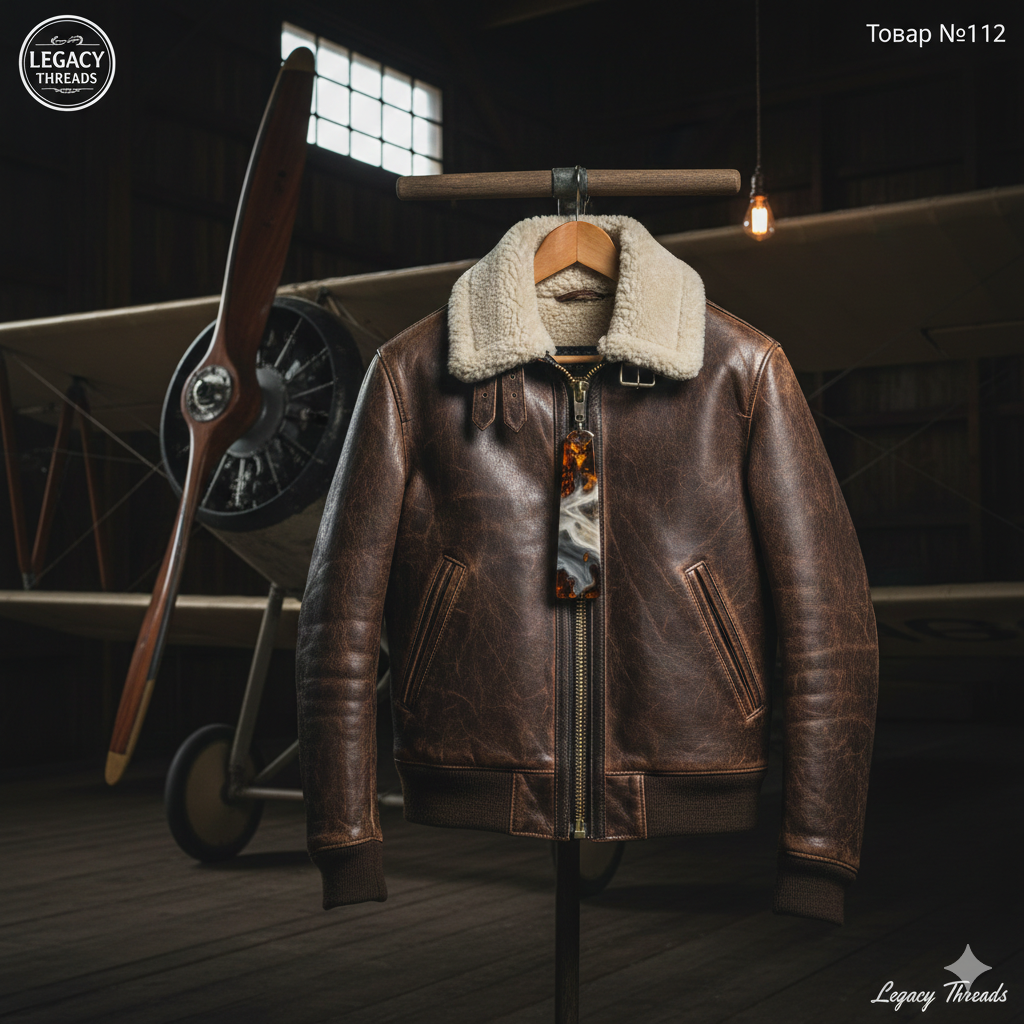
The "High Altitude" Aviator Jacket is a rugged, high-performance garment inspired by the dawn of aerial combat. In the open cockpits of 1914–1918, pilots faced extreme temperatures and biting winds; this jacket was their primary shield.