𝔼𝕩𝕡𝕠𝑀𝑜𝒹



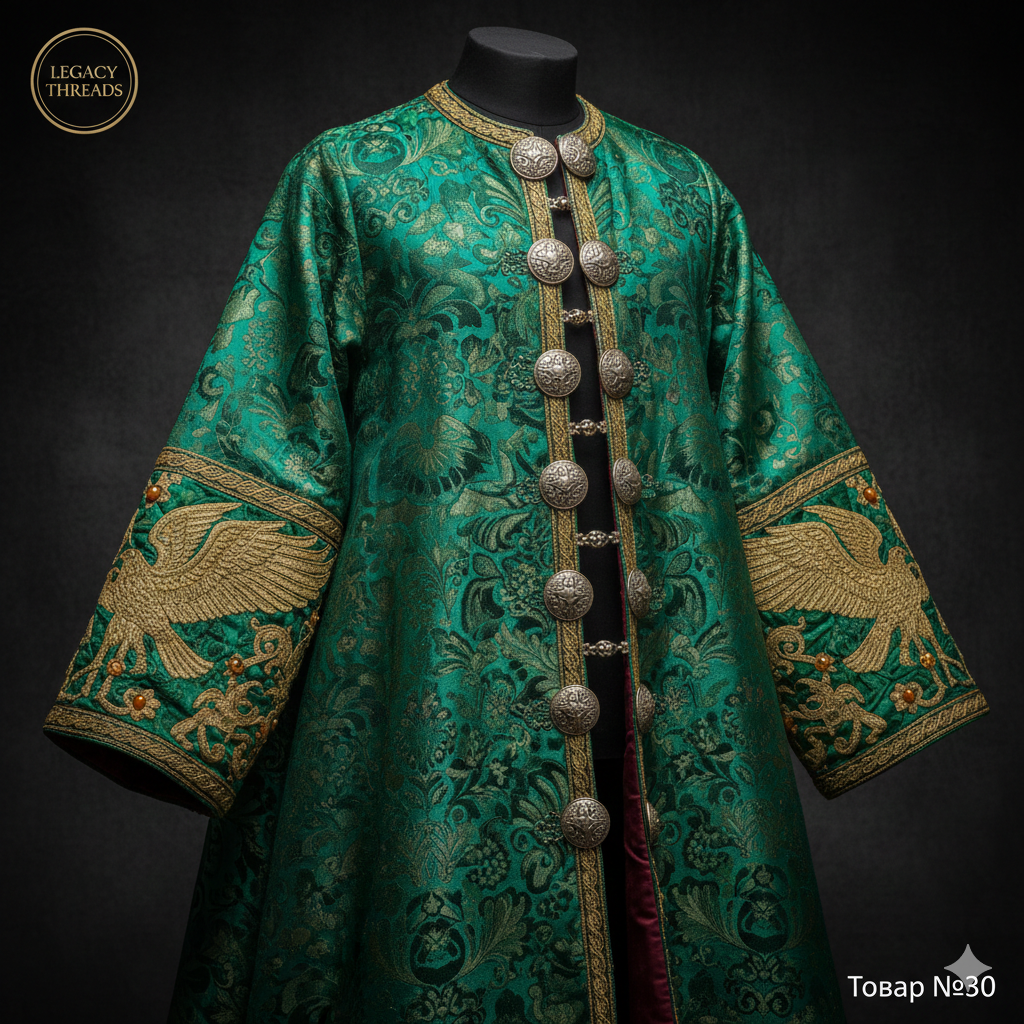
The "Falcon's Vigil" Feryaz is a majestic interpretation of the outer ceremonial garment worn by Russian boyars and nobility during the reign of Ivan the Terrible. Unlike a kaftan, the feryaz had no collar and was distinguished by its wide, flowing sleeves, symbolizing status and dignity.
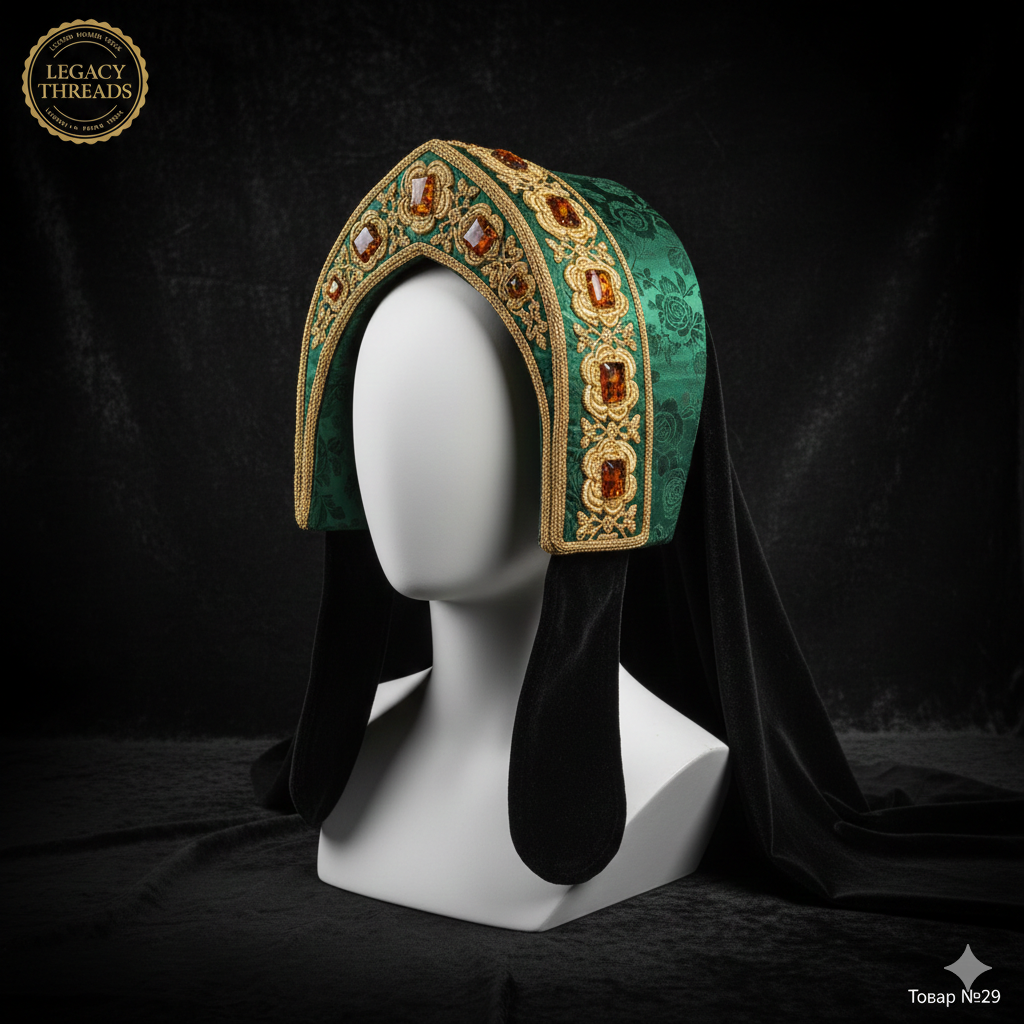
The Gable Hood is the quintessential symbol of traditional English Tudor fashion. Known for its distinct "pointed arch" shape, it mirrored the architectural lines of the great English manors. While the French hood was about allure, the Gable was about dignity, structure, and immense wealth.
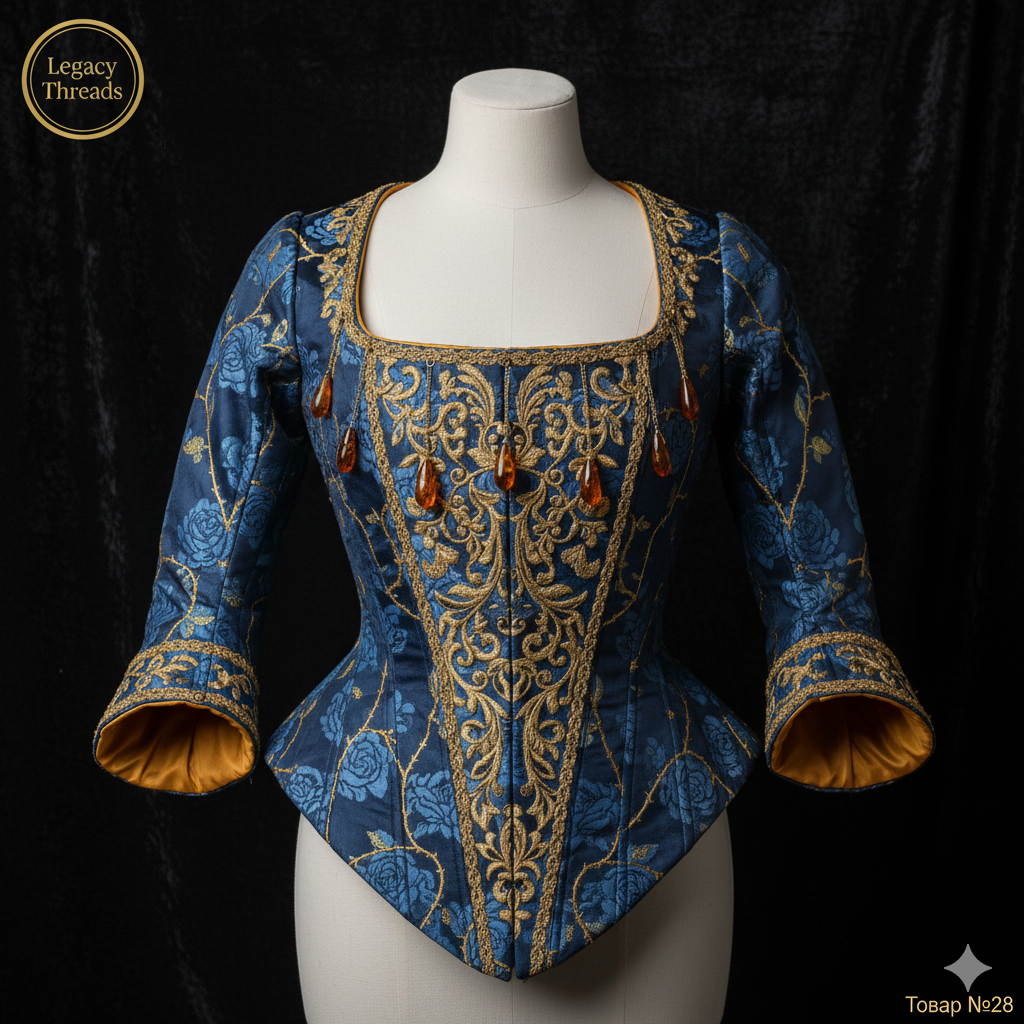
The "Iron Rose" bodice is a contemporary take on the structured silhouettes of the Elizabethan era (late Tudor period). In the 16th century, the bodice was designed to create a perfectly conical shape, symbolizing discipline and aristocratic grace.
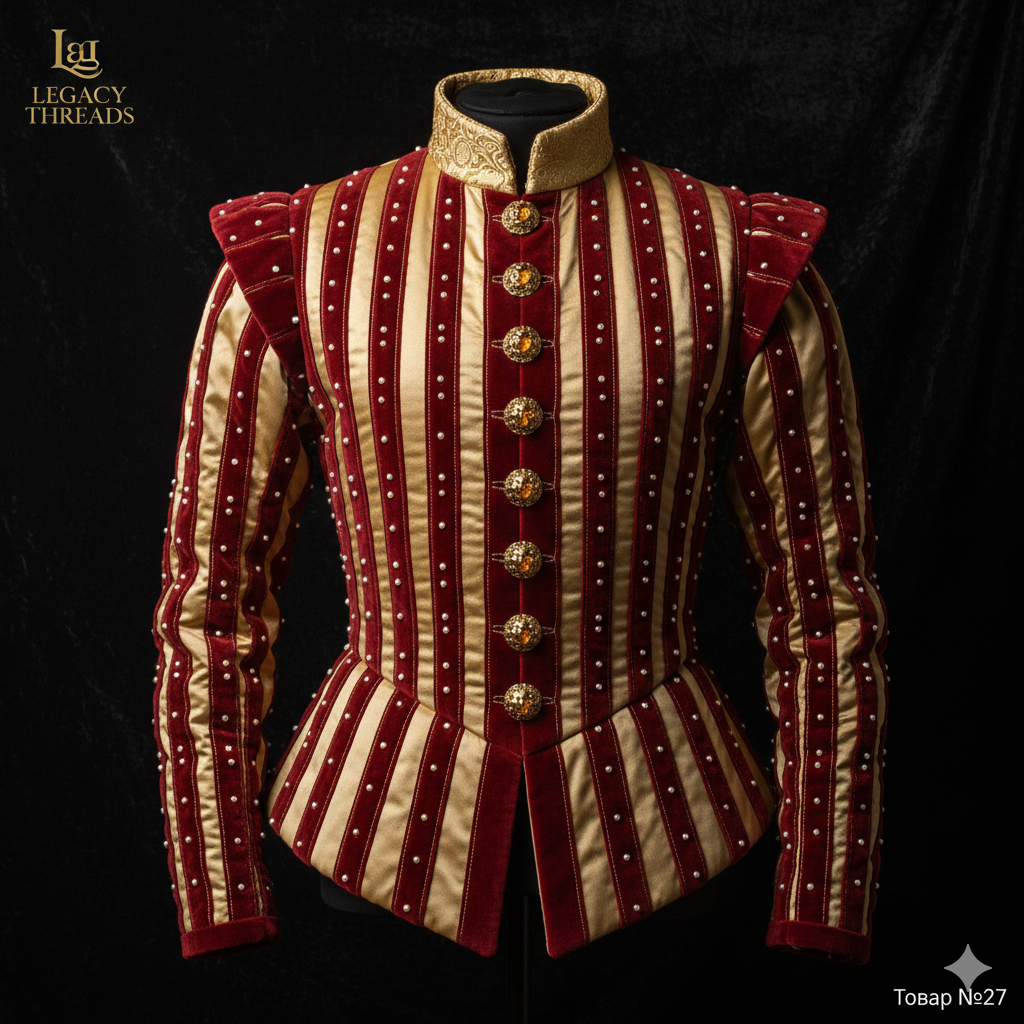
The "Henry's Lion" doublet is a masterpiece of mid-16th-century English tailoring. Inspired by the opulent wardrobe of Henry VIII, this garment defines the masculine silhouette of the Tudor court—broad shoulders, a structured chest, and meticulous attention to detail.
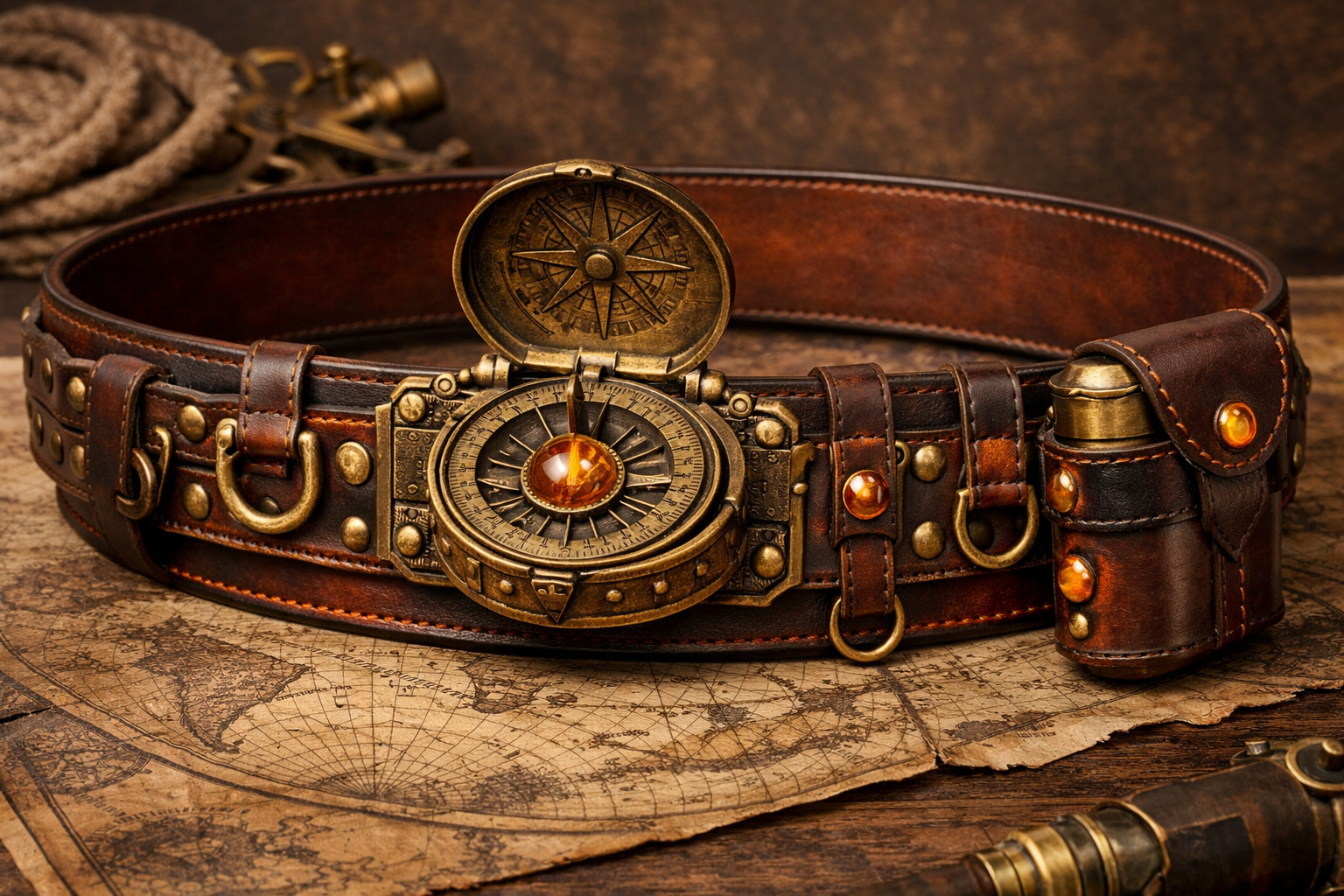
The "Golden Knot" Belt is a tribute to the legendary wealth of the Spanish Empire in the late 16th century. During this era, a belt was more than just a functional item; it was a pedestal for a gentleman’s or lady’s status, designed to carry heavy purses, keys, or ceremonial rapiers.
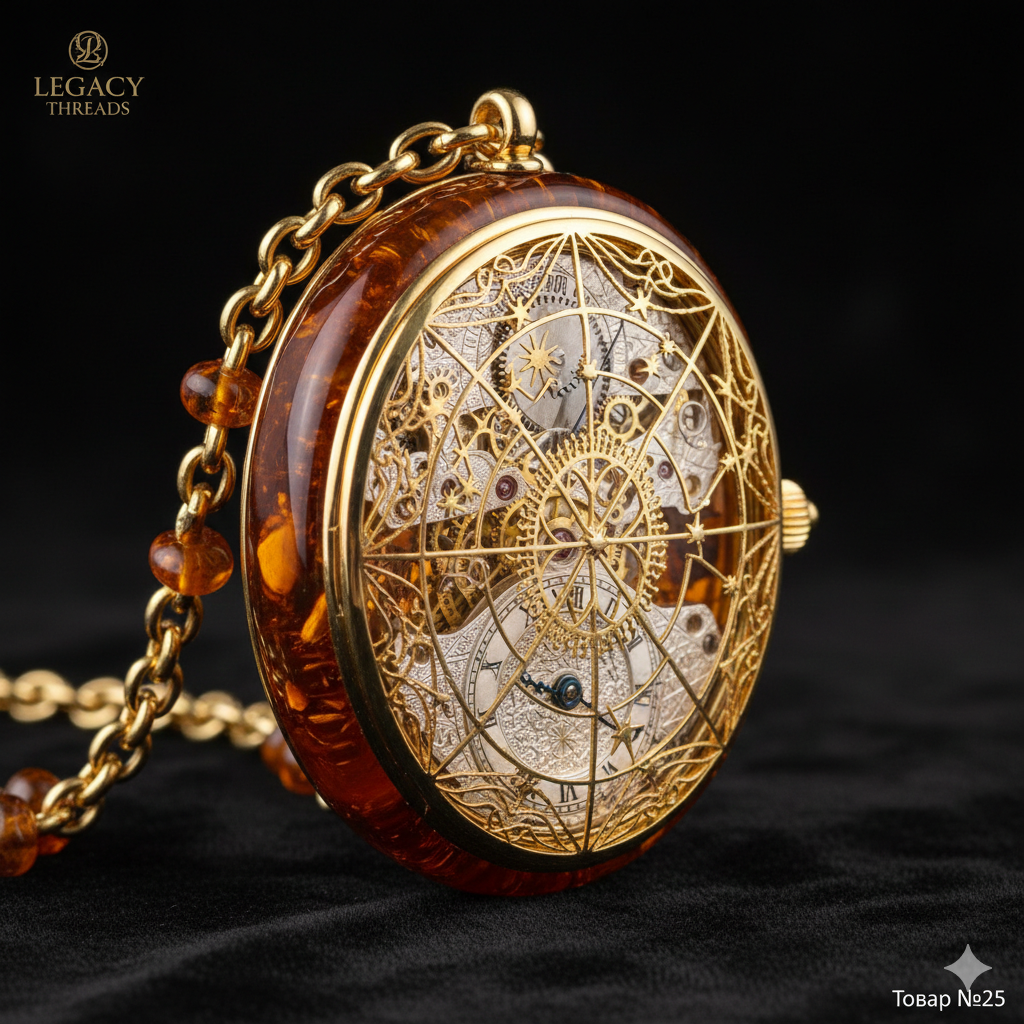
The "Nuremberg Amber" is a recreation of the world’s first portable timepieces. In the late 16th century, possessing a "living" mechanical device was a sign of immense intellectual and financial power. Our version transforms this historical marvel into a piece of high-end wearable jewelry.
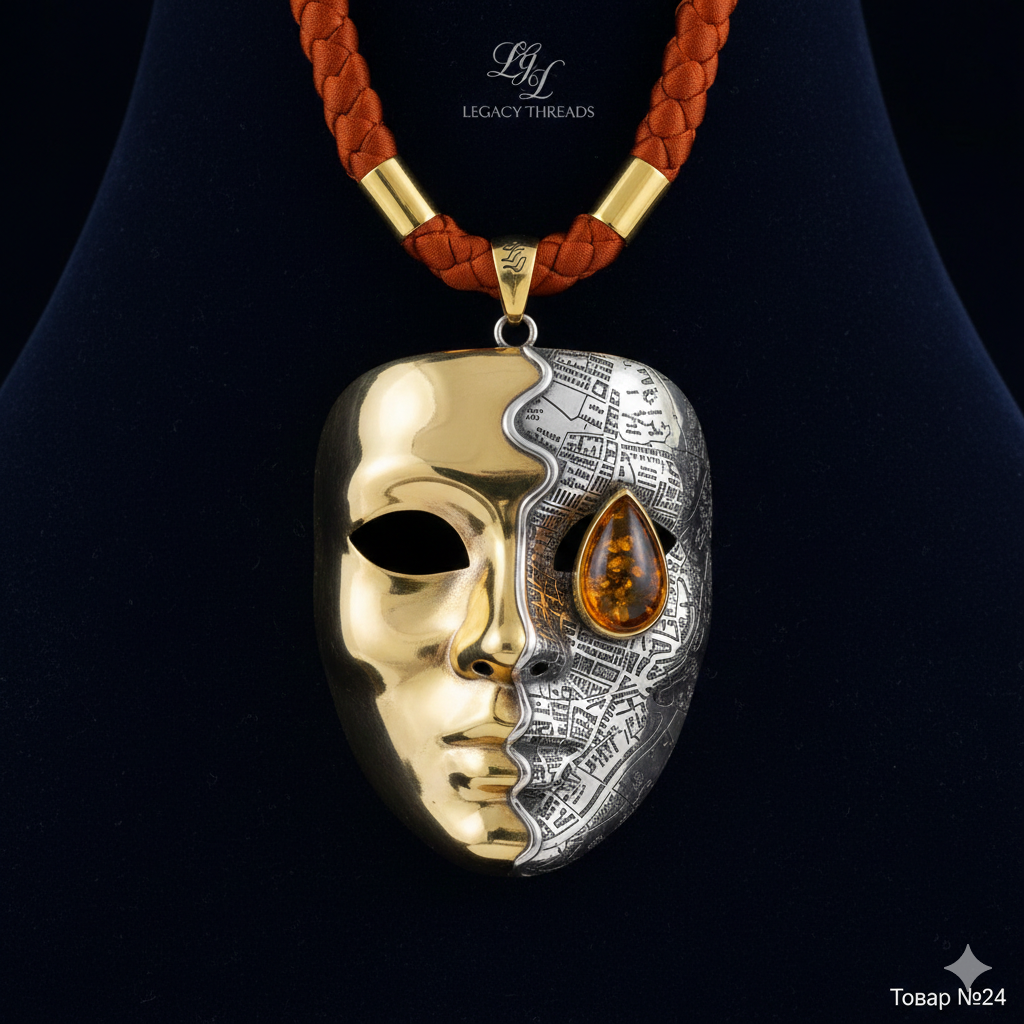
The "Golden Lagoon" is a miniature wearable work of art, inspired by the secretive masquerades of 16th-century Venice. During the Renaissance, masks were not only for the face but were often carried as precious handheld accessories or worn as elaborate jewelry pieces to signify mystery and status.
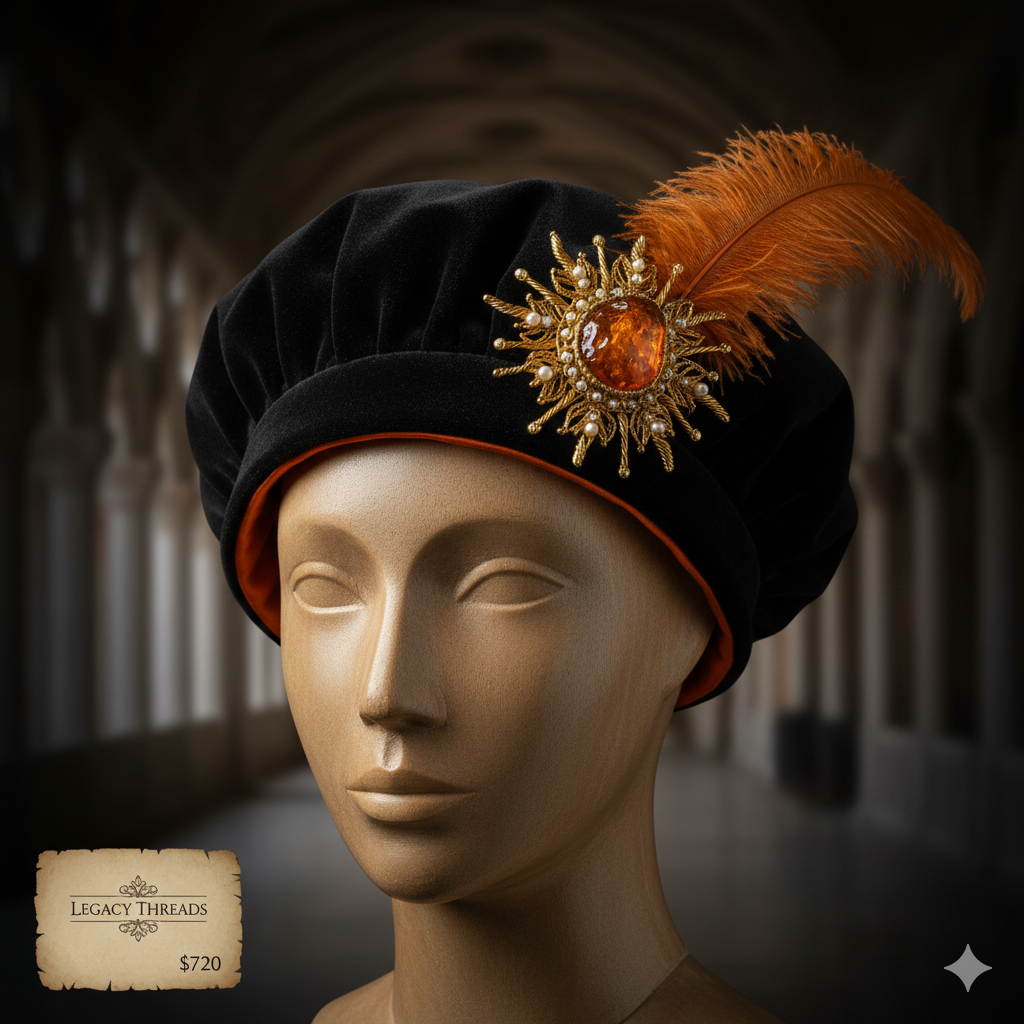
The "Golden Lagoon" Beret is an interpretation of the Barret, the quintessential headwear of the Venetian nobility and wealthy merchants during the mid-16th century. In Venice, clothing was a display of state power, and the beret — worn at a rakish angle — was the final touch of a gentleman’s ensemble, signaling both intellect and immense wealth.
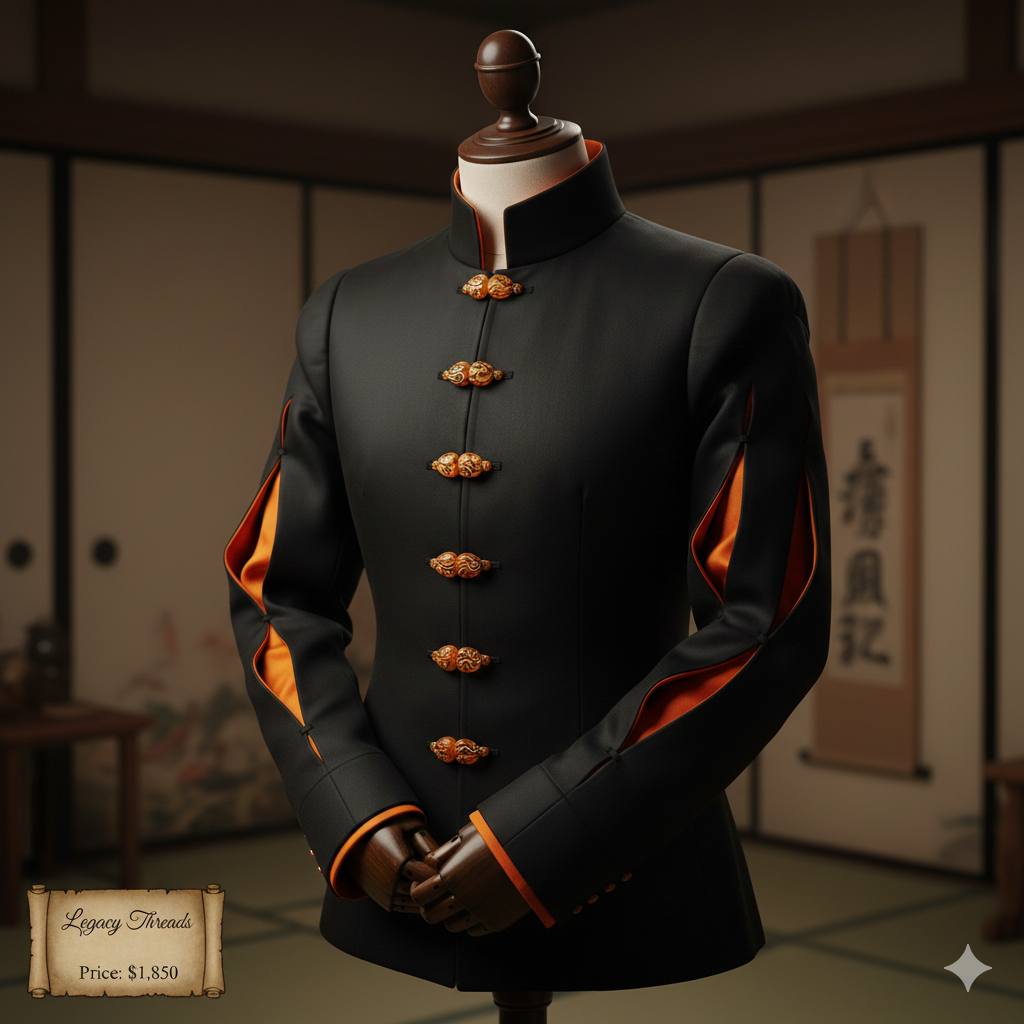
The "Southern Barbarians" Kabao is a fascinating cultural hybrid from the late 16th century, representing the Nanban("Southern Barbarian") trade period in Japan. When Portuguese explorers arrived, Japanese tailors began adapting European doublets into a unique garment called a Kabao. This piece represents the moment East met West on the shores of Kyushu.