𝔼𝕩𝕡𝕠𝑀𝑜𝒹



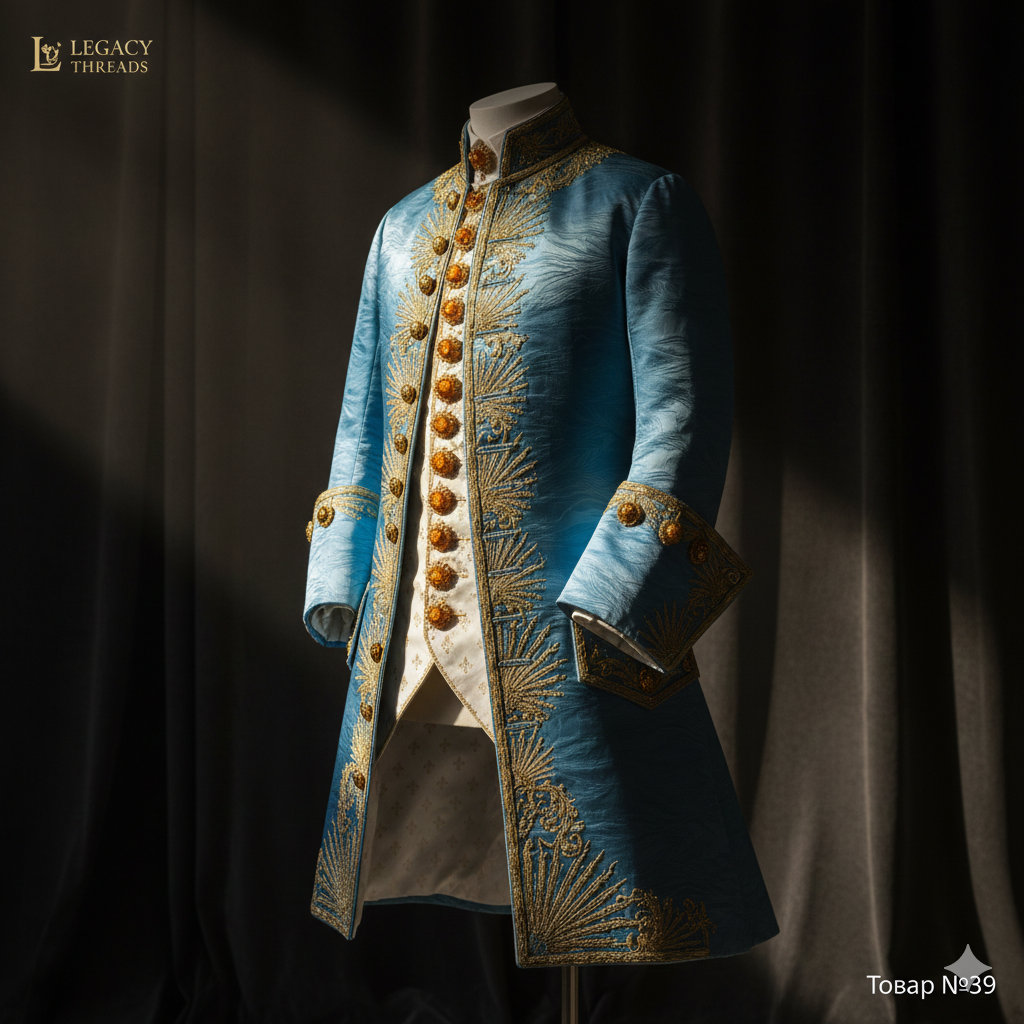
The "Versailles Noon" Justacorps is a pinnacle of the late 17th-century French court style. By the 1670s, the justacorps(literally "close to the body") had become the definitive garment for the French aristocracy, establishing a silhouette of absolute elegance and rigid social standing.
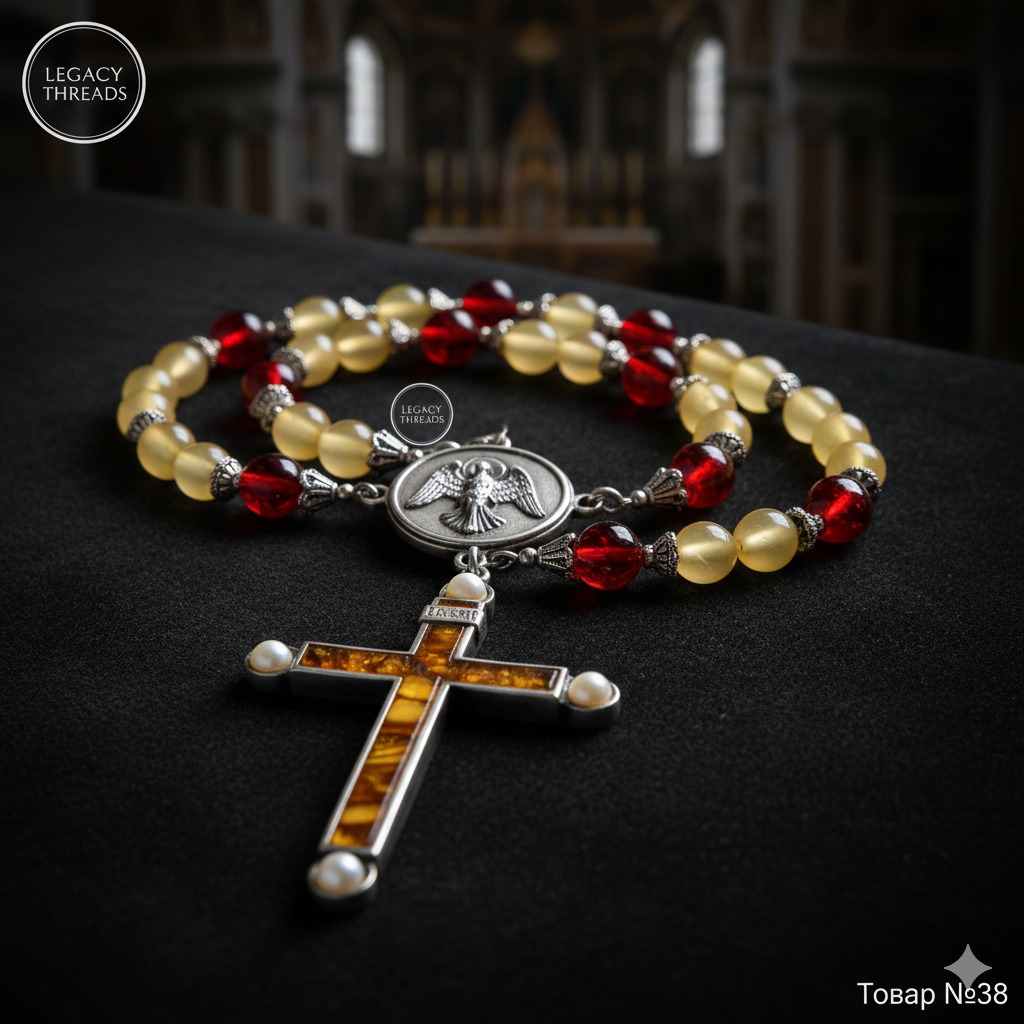
The "Vatican Light" Rosary is a masterpiece of sacred jewelry, reflecting the spiritual and artistic fervor of 17th-century Rome. In an era where faith was expressed through grand gestures and opulent materials, a rosary was a personal statement of devotion and dynastic prestige.
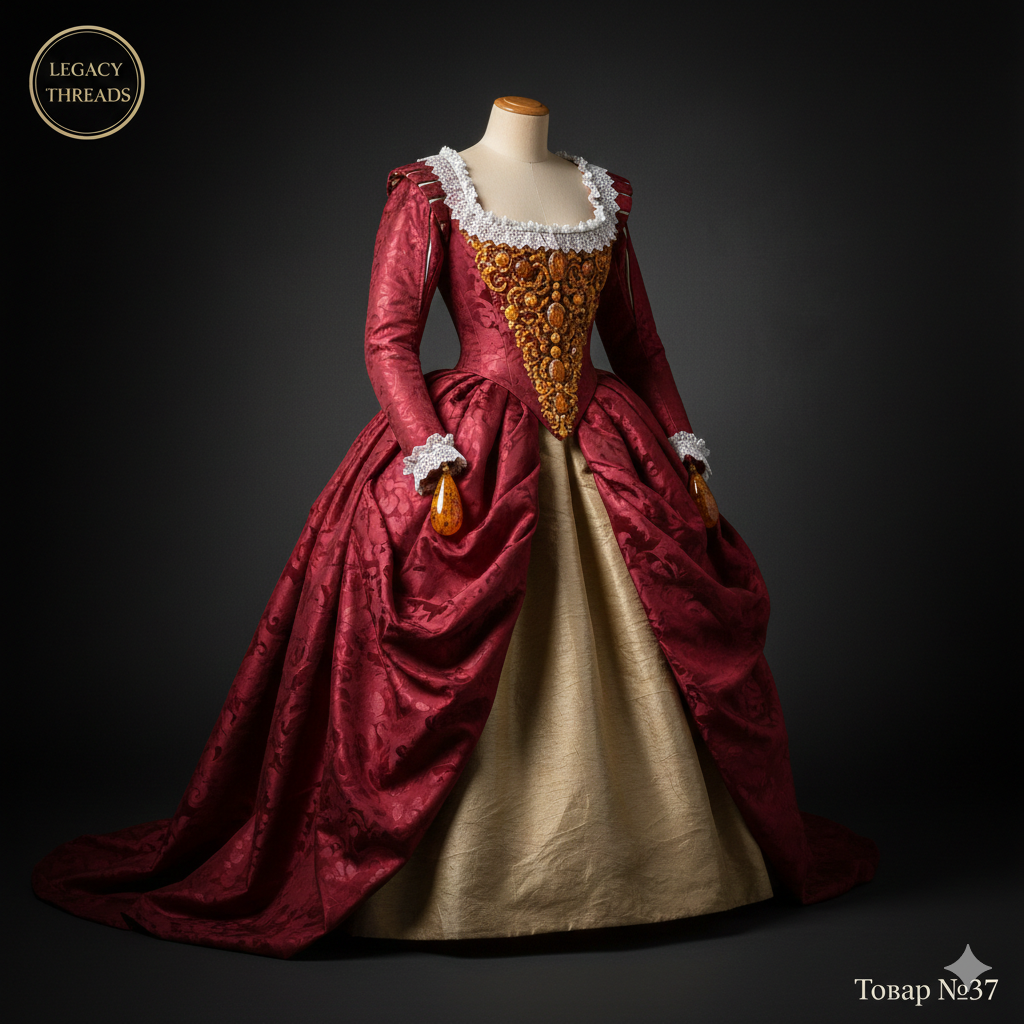
The "Bernini’s Glory" Grand Gown is a sartorial masterpiece inspired by the dynamic movement and theatrical splendor of Roman Baroque architecture. This gown captures the essence of a Roman noblewoman attending a gala at a papal palazzo—a vision of fluid grace and architectural precision.
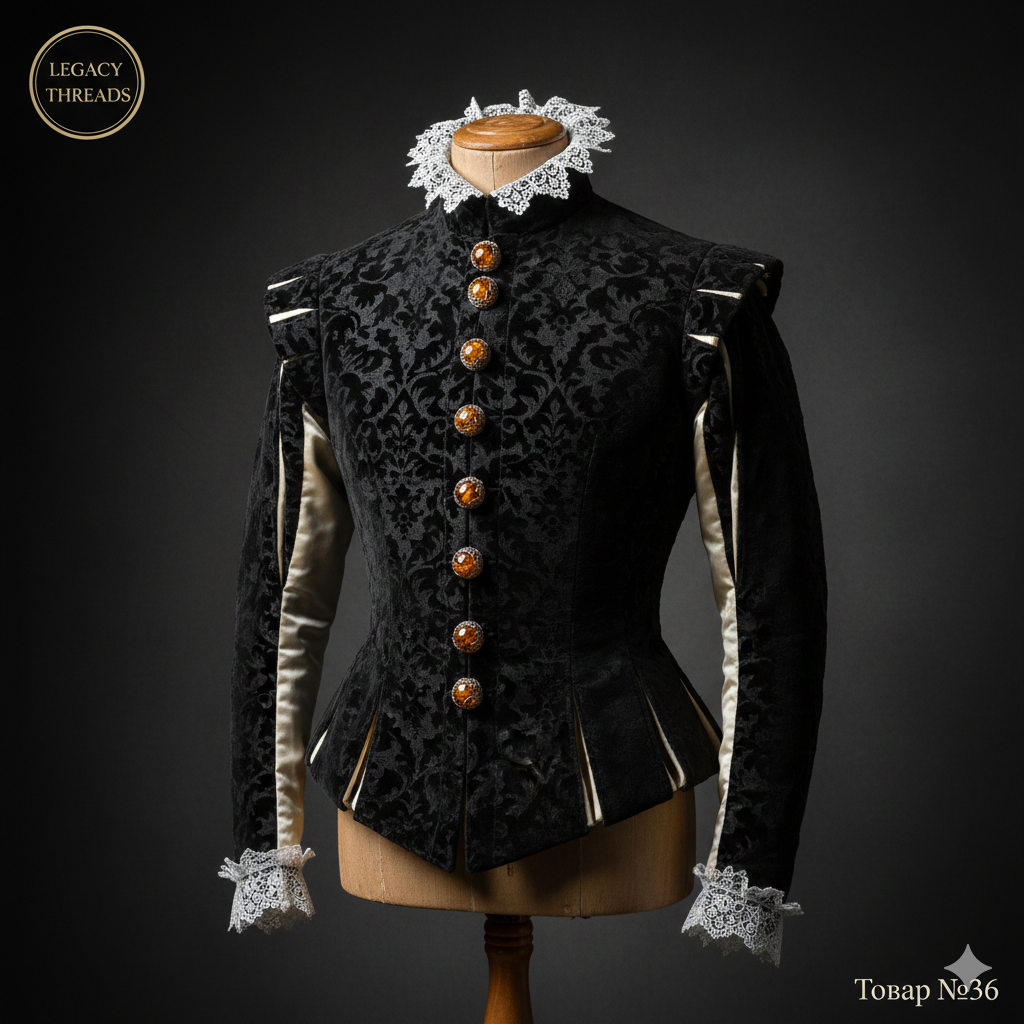
The "Caravaggio’s Shadows" Doublet is a sophisticated representation of the Roman high-baroque style, where austerity meets extreme luxury. In the mid-17th century, the Roman elite favored dark, dramatic tones that reflected the chiaroscuroart of the period, creating a silhouette of power and mystery.
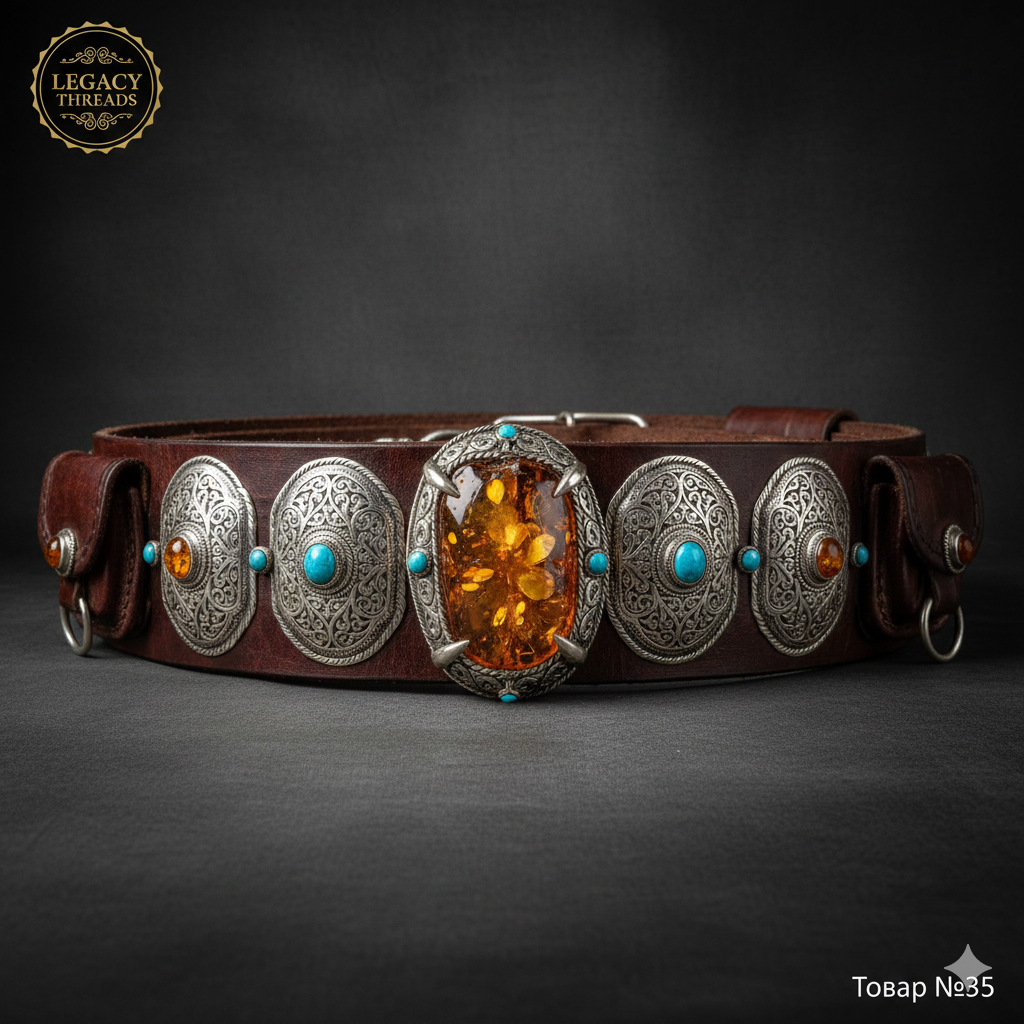
The "Golden Horde" Kise Belbeu is a definitive tribute to the military aristocracy of the Kazakh Khanate in the late 16th century. For a batyr (warrior) or a Sultan, the belt was not merely functional; it was a sacred piece of equipment that organized his weapons and displayed his rank. This heavy, ceremonial belt is designed to carry the "bes karu"—the five traditional
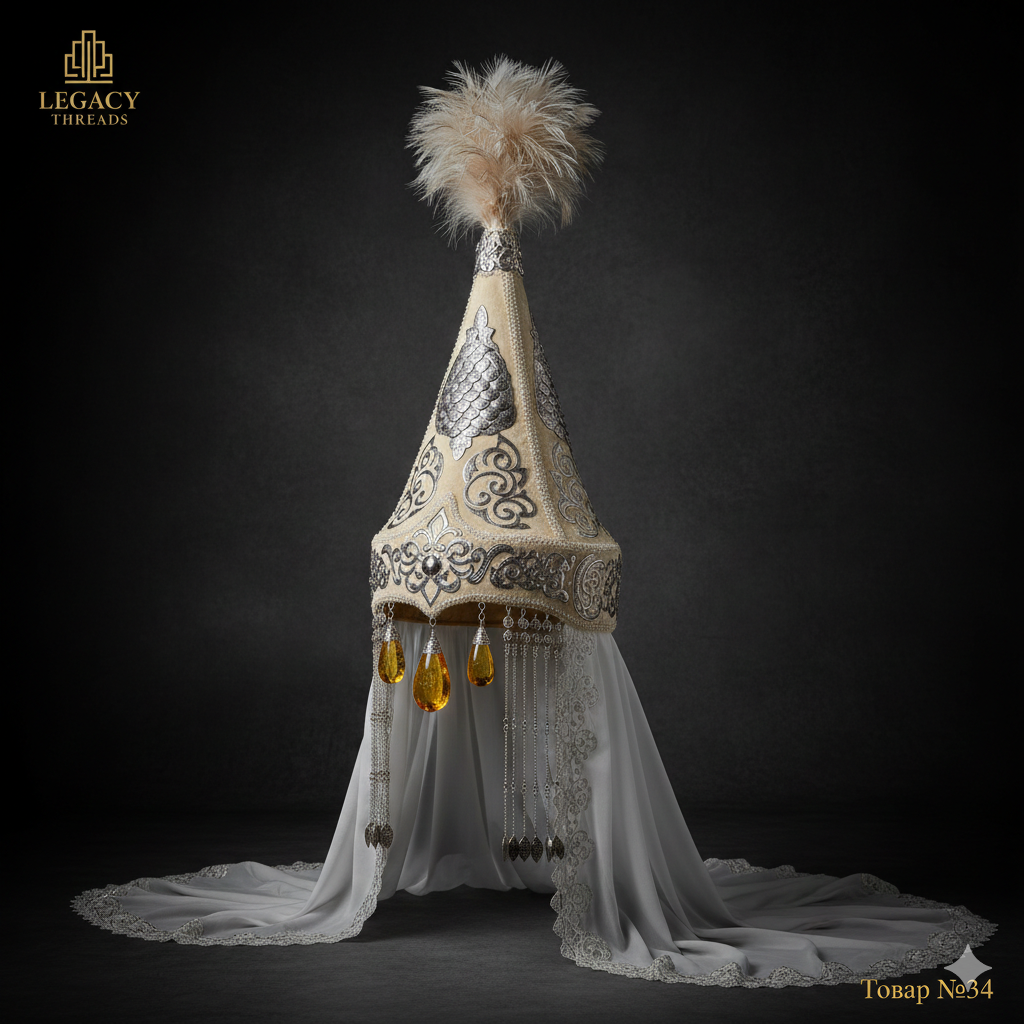
The "Morning Dew" Saukele is a sublime recreation of the most sacred and spectacular element of a Kazakh woman's dowry during the late 16th century. Standing as a high, conical tower, the saukele was more than a headpiece; it was a vertical tapestry of a family’s history, wealth, and hopes for the bride’s future.
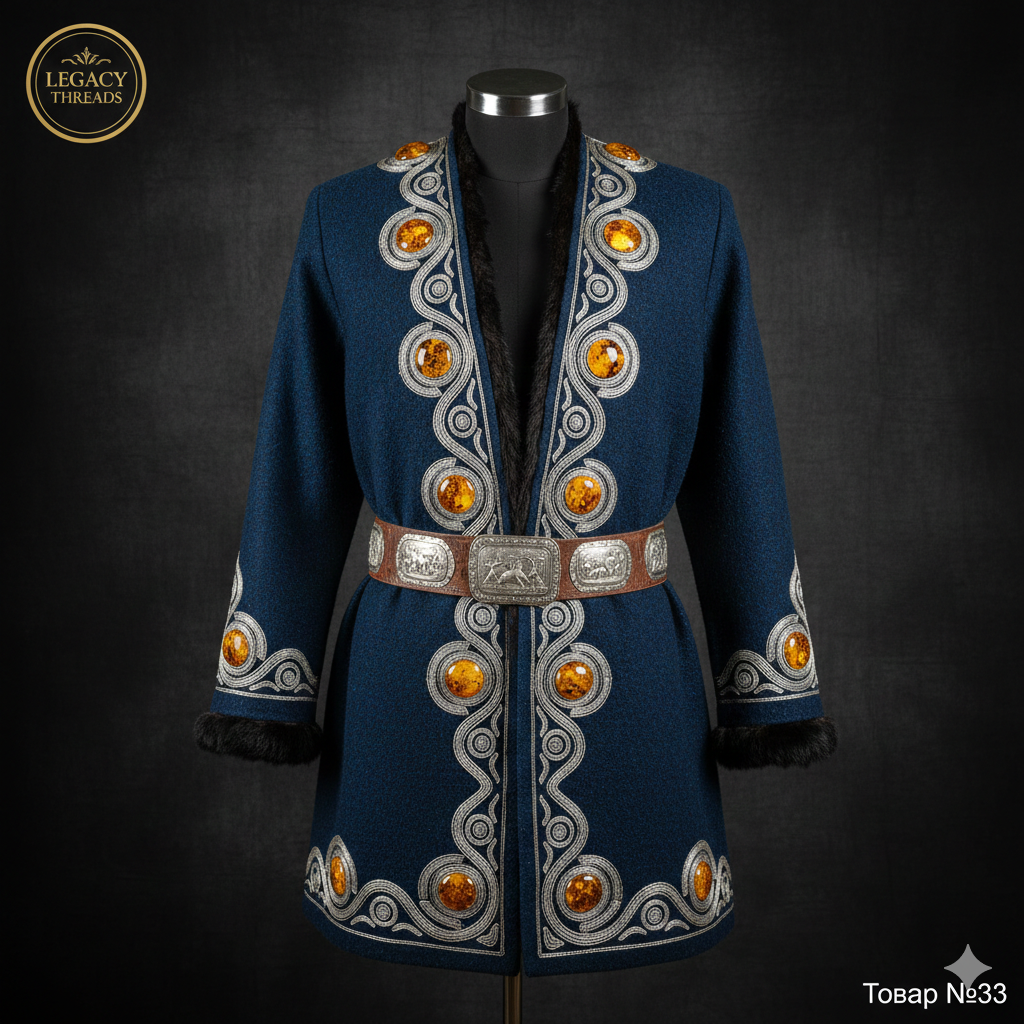
The "Spirit of the Steppe" Shapan is a masterful recreation of the prestige outerwear worn by the Kazakh elite and diplomats at the turn of the 16th century. This garment served as a visual biography of its wearer, indicating lineage, military merit, and wealth through its complex symbolism and rare materials.
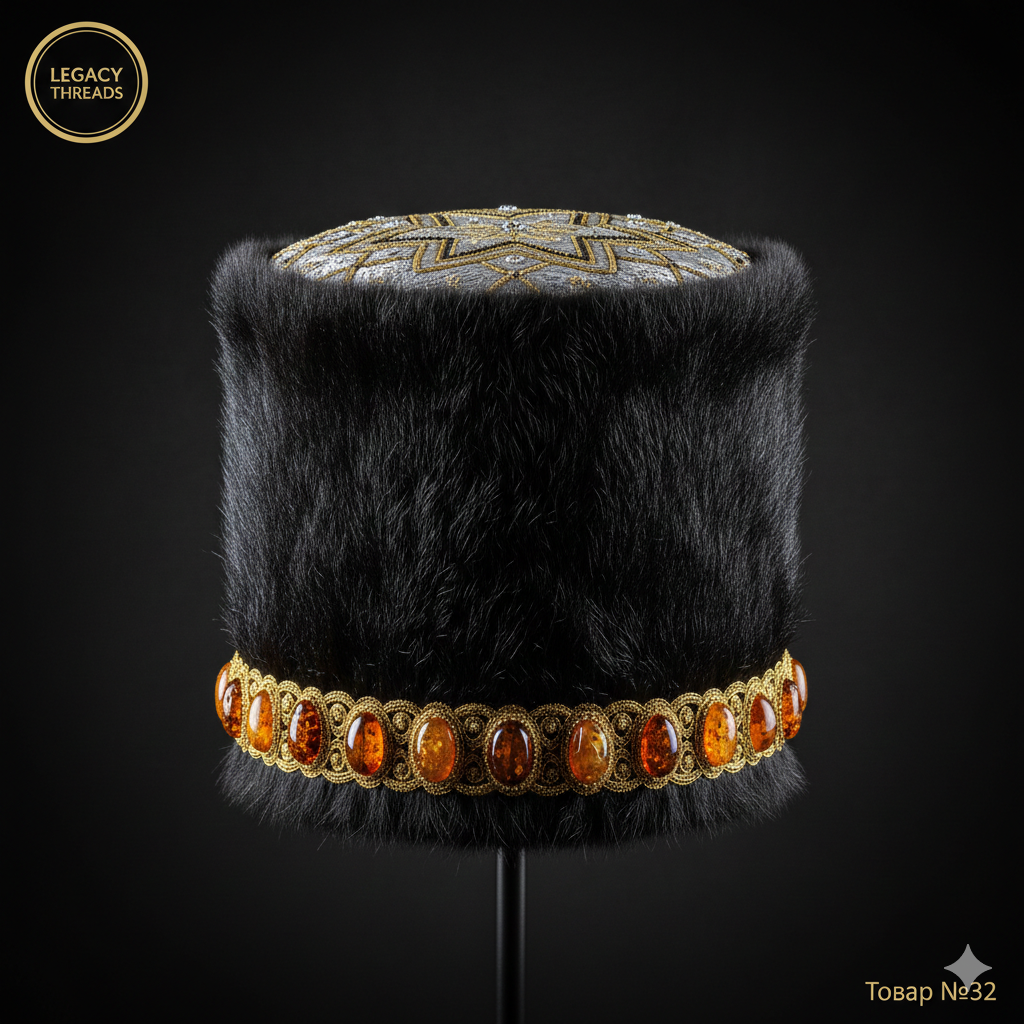
The "Northern Lights" Gorlatnaya hat is the ultimate symbol of high-ranking boyar status in the Tsardom of Russia. These towering, cylindrical hats were traditionally fashioned from the finest neck fur ("gorlo") of sables or foxes, making them incredibly soft, lightweight, and exclusive. Only the most powerful families could afford such a display of opulence.
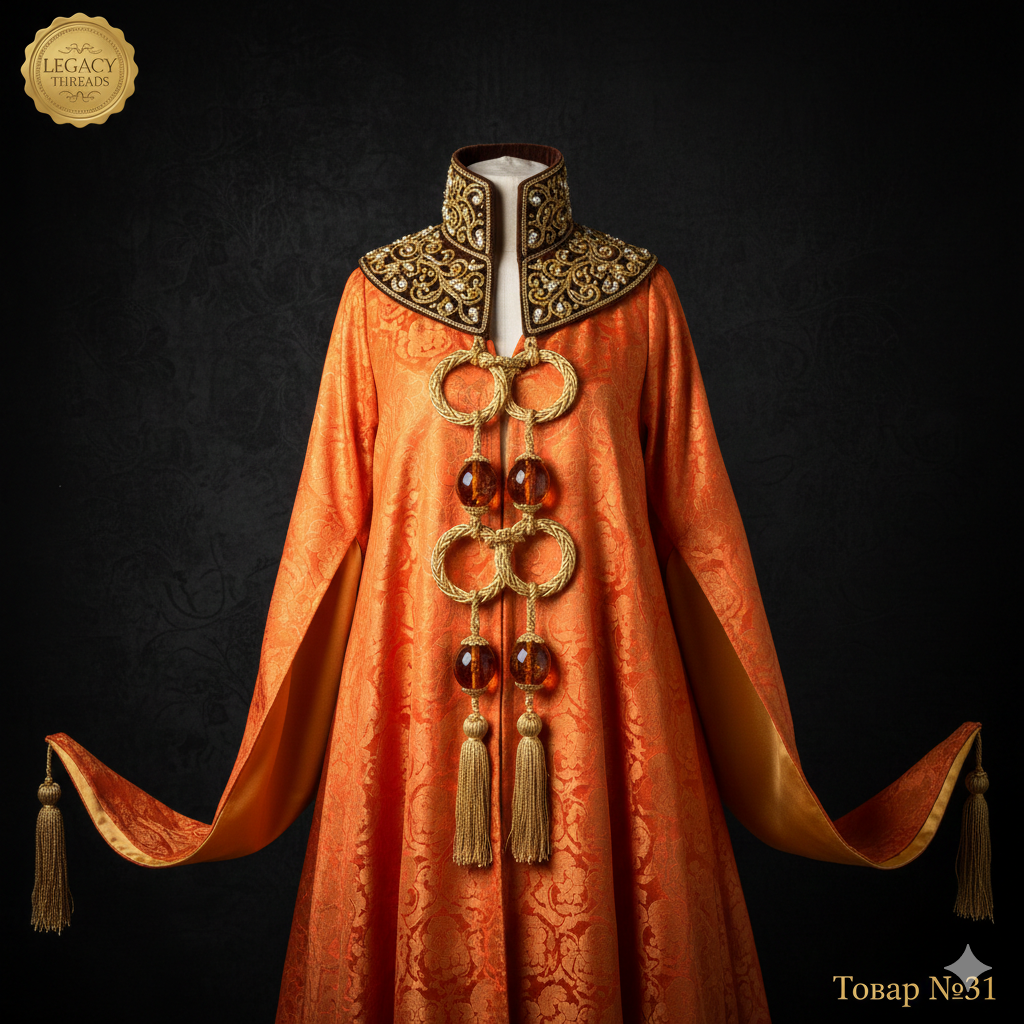
The "Sunset Sun" Opashen is a breathtaking tribute to the elegance of 16th-century Russian noblewomen. The opashen was a prestigious overgarment, traditionally worn loosely over the shoulders, with incredibly long, narrow sleeves that were left to hang down the back, symbolizing a life free from manual labor and a high social standing.