𝔼𝕩𝕡𝕠𝑀𝑜𝒹



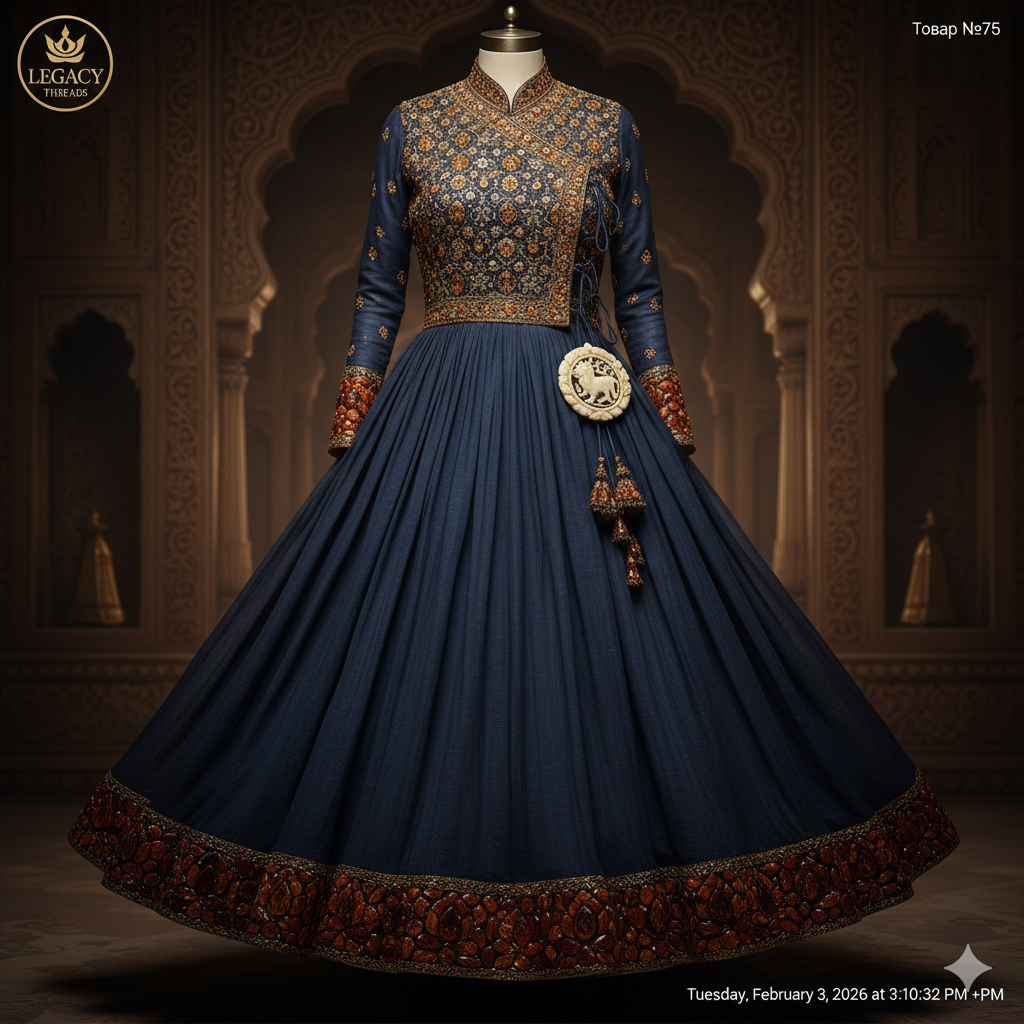
The "Radiance of Delhi" is a magnificent Angarkha—a traditional long-sleeved tunic that overlaps at the chest, a hallmark of North Indian nobility in the early 1800s. This garment represents the seamless blend of Persian influence and Indian craftsmanship, designed for a courtier of the Mughal twilight.
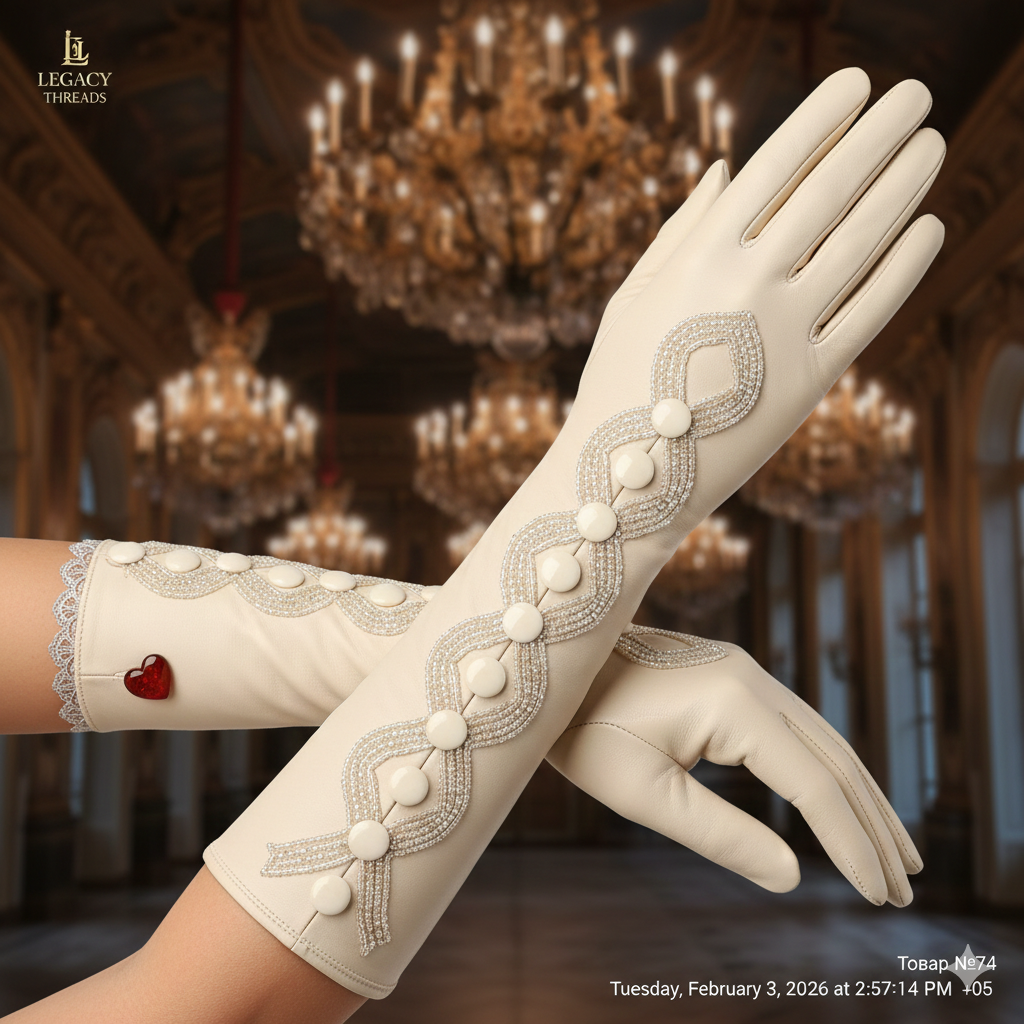
The "Pearly Waltz" opera gloves are the epitome of Regency-era sophistication, designed to complement the sleeveless or short-sleeved Empire gowns of the early 19th century. These extra-long gloves, reaching well above the elbow, were essential for maintaining a lady’s modesty and elegance during a night of dancing and conversation.
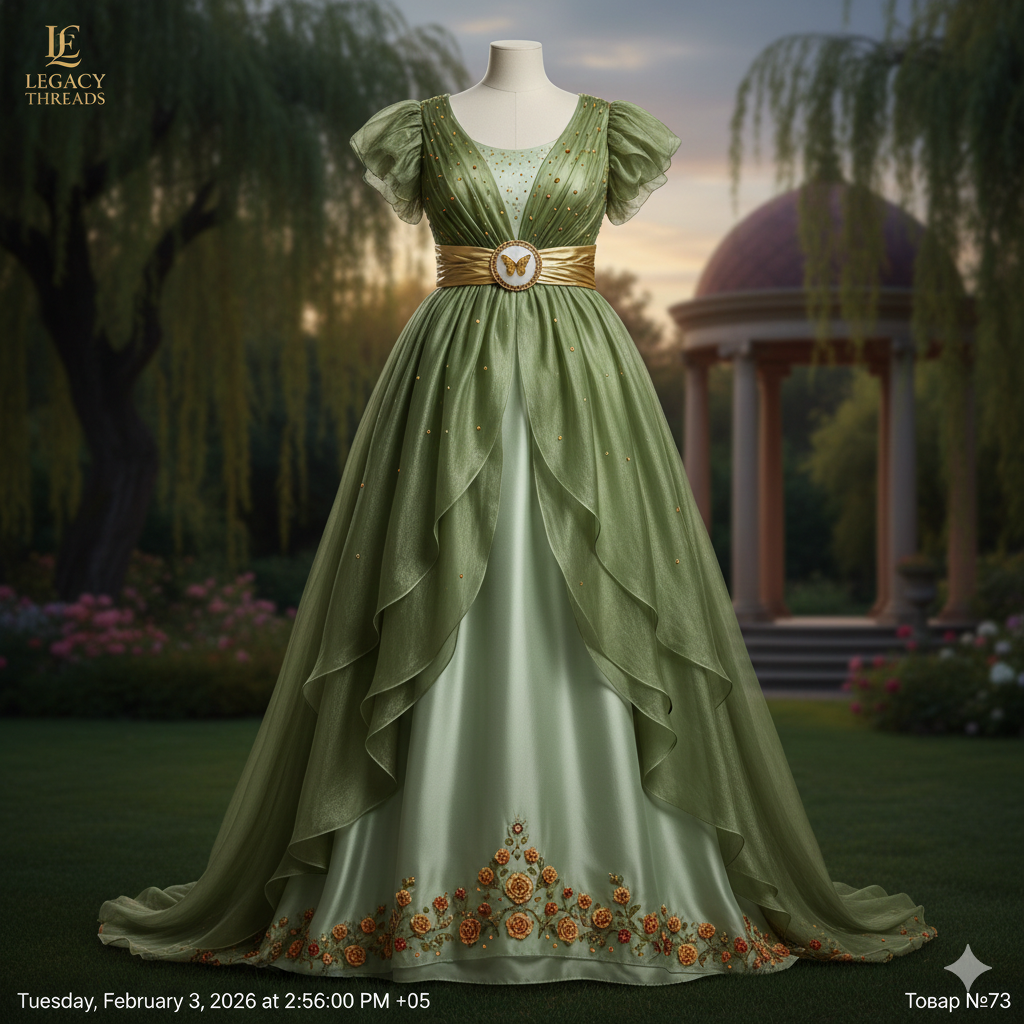
The "Woodland Nymph" is a charming evening gown that reflects the Romantic movement's fascination with nature during the early 19th century. This piece is designed for a lady who wishes to combine the structured elegance of the Empire waist with a more organic, whimsical aesthetic.
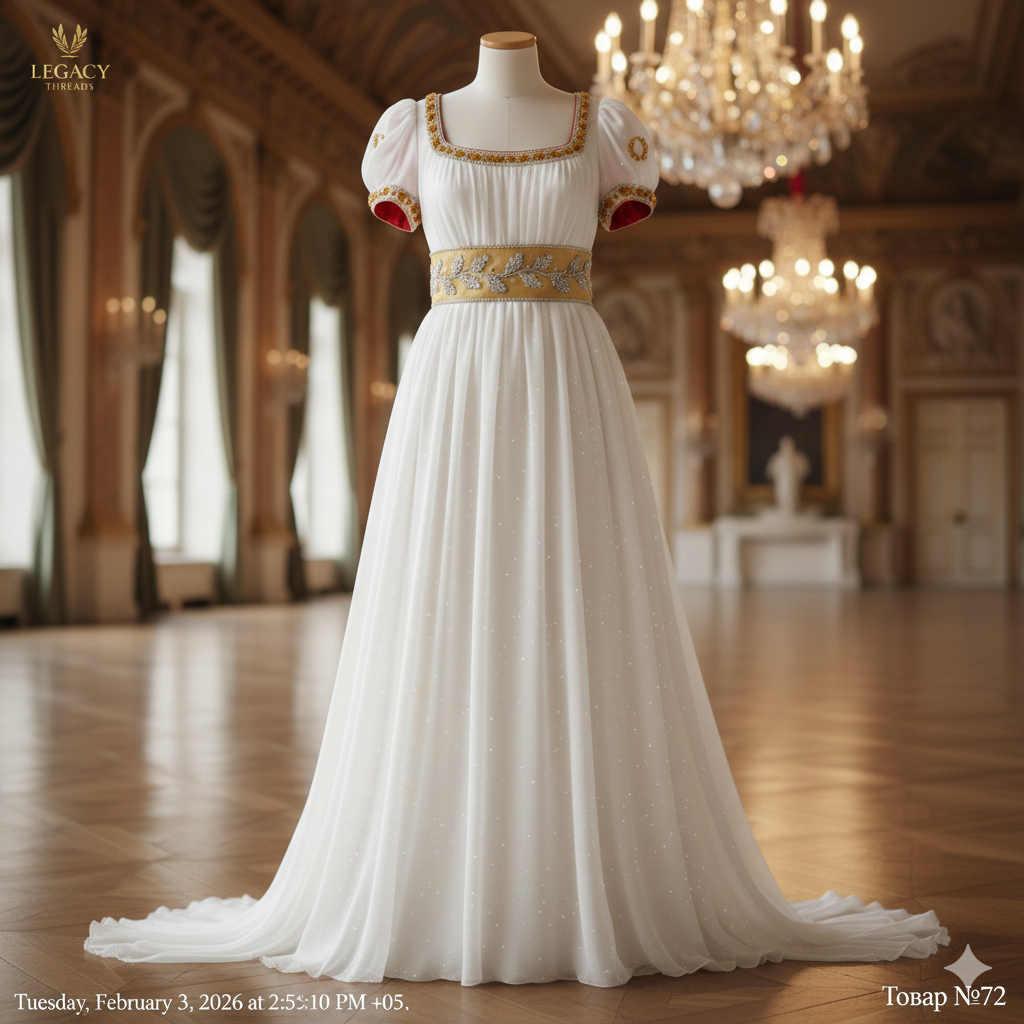
The "Breath of Aphrodite" is a sublime ball gown, meticulously crafted to capture the ethereal beauty and refined elegance of the early 19th-century Empire silhouette. Designed for grand entrances at the most illustrious European courts, this dress is a celebration of delicate materials and understated luxury.
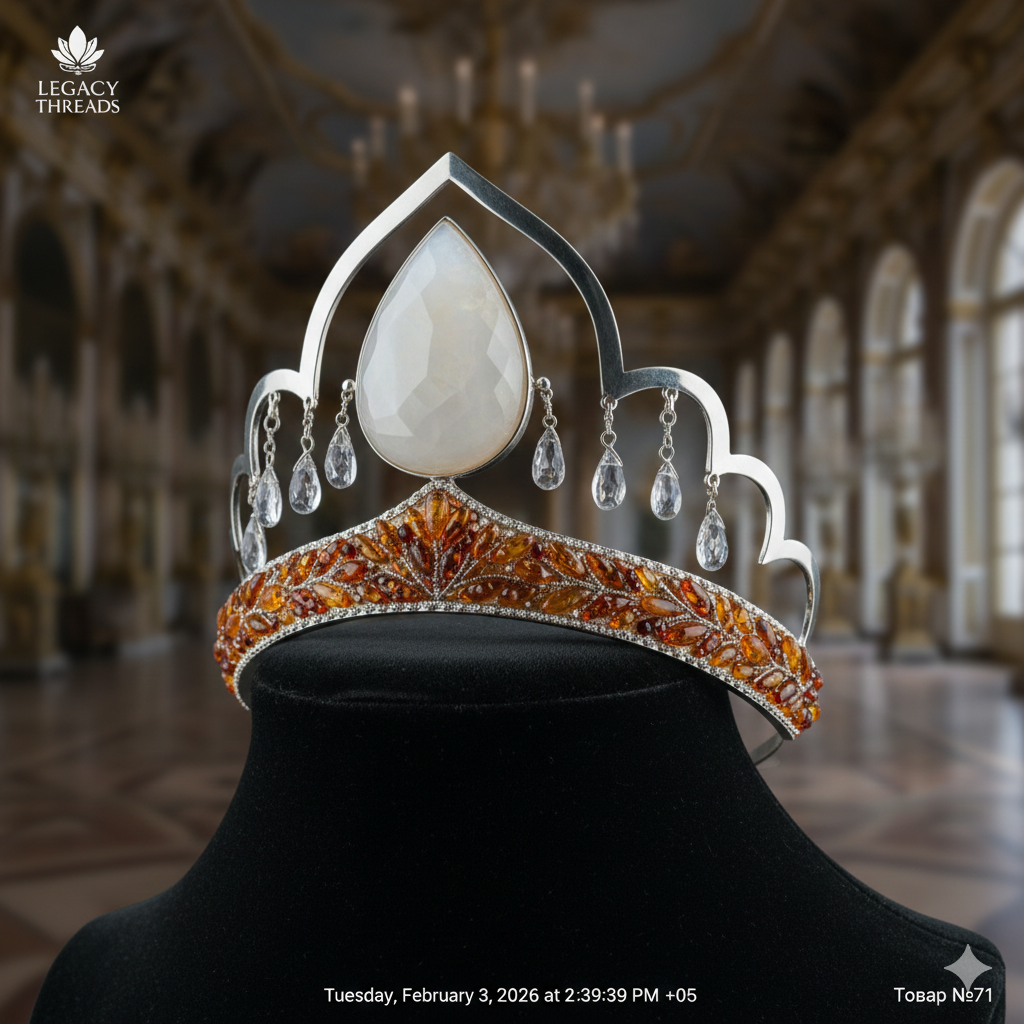
The "Tears of the Neva" is a breathtaking headpiece that defines the "Russian Style" of the early 19th century. This tiara-kokoshnik represents the pinnacle of Imperial court fashion, where ancient Slavic silhouettes were reimagined with the brilliance of neoclassical jewelry. It was designed to be worn at the most prestigious imperial balls, crowning a lady with the majesty
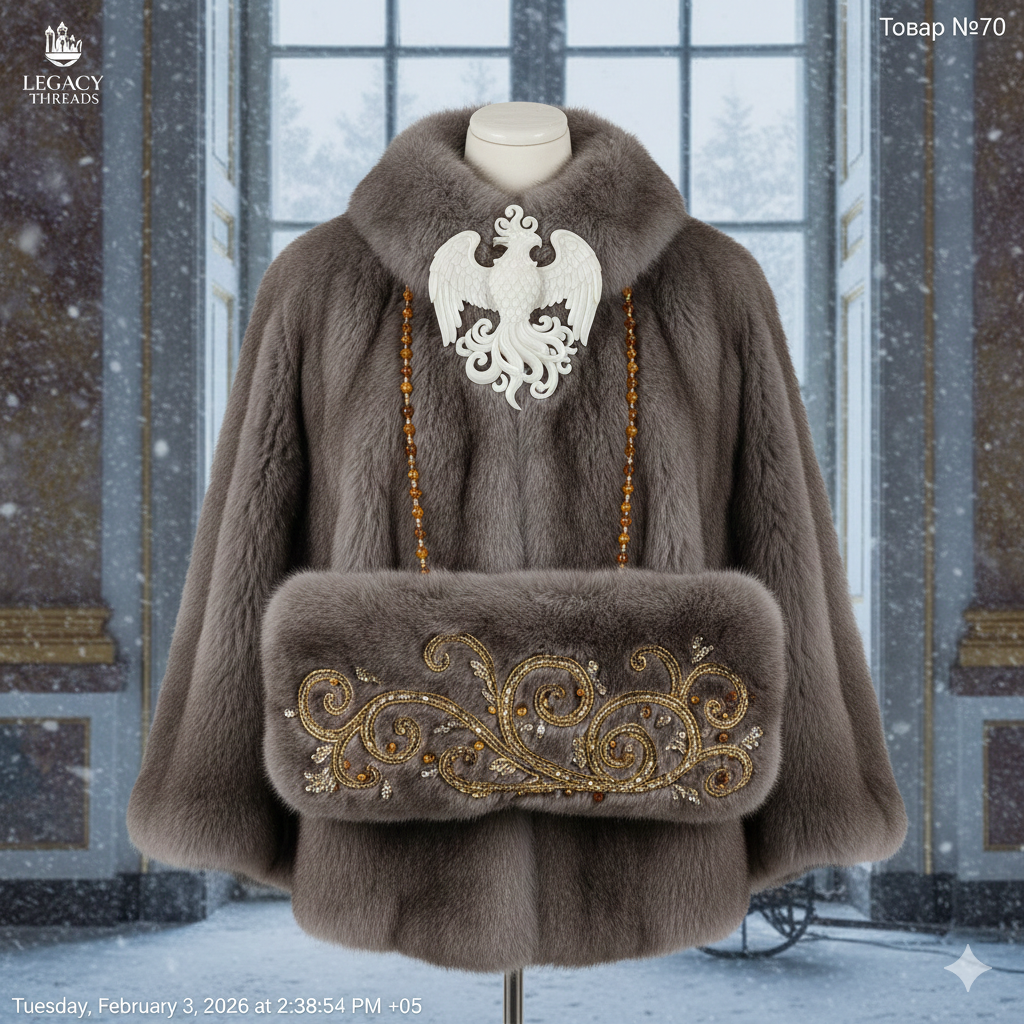
The "Northern Aurora" is a majestic pelerine-muff combination, a piece of high-fashion armor designed for a Russian noblewoman braving the biting winds of a St. Petersburg winter. While the Empire style favored thin muslins, the reality of the Russian climate demanded outer garments of immense warmth and even greater splendor.
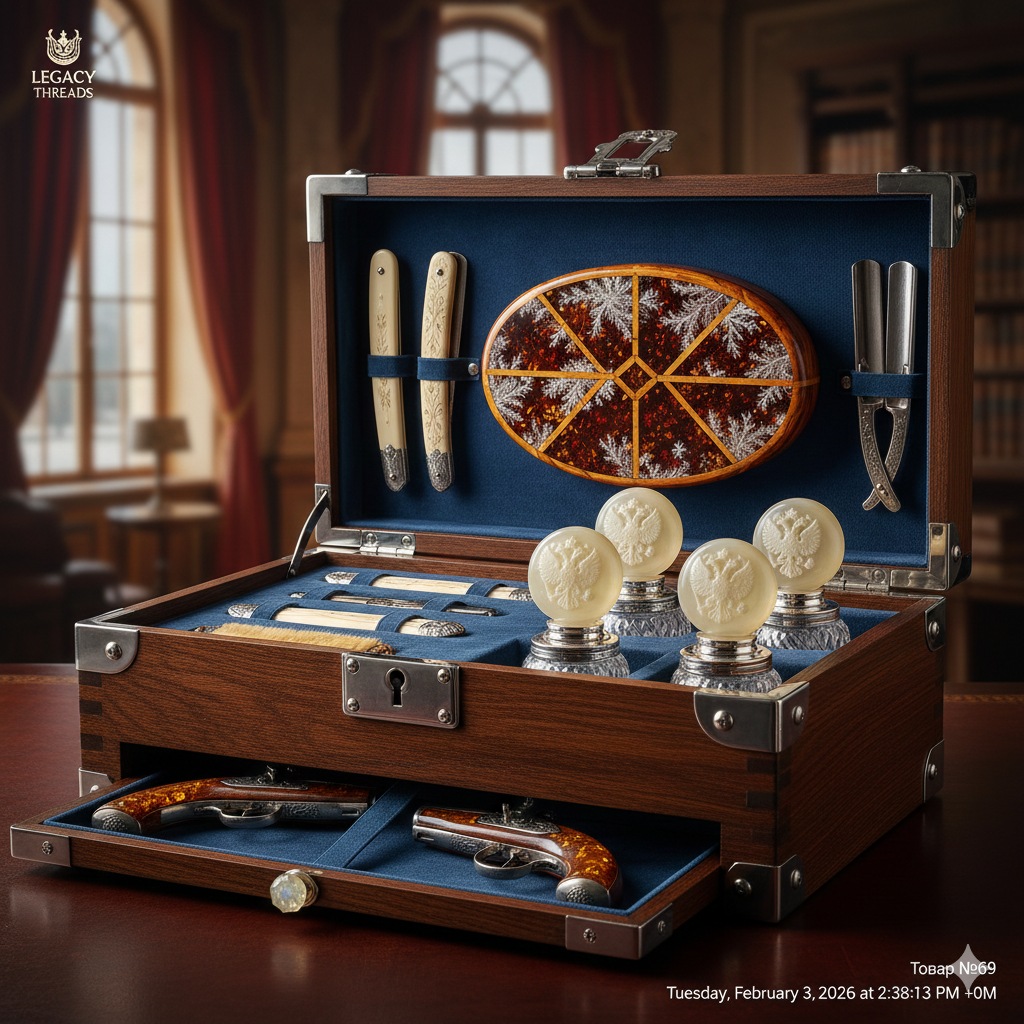
The "Petersburg Dandy" is a luxurious traveling case, an indispensable companion for a Russian nobleman journeying between his country estate and the winter balls of St. Petersburg. In the early 1800s, personal grooming was a ritual of status, and a gentleman’s case contained everything needed to maintain a flawless appearance on the road.
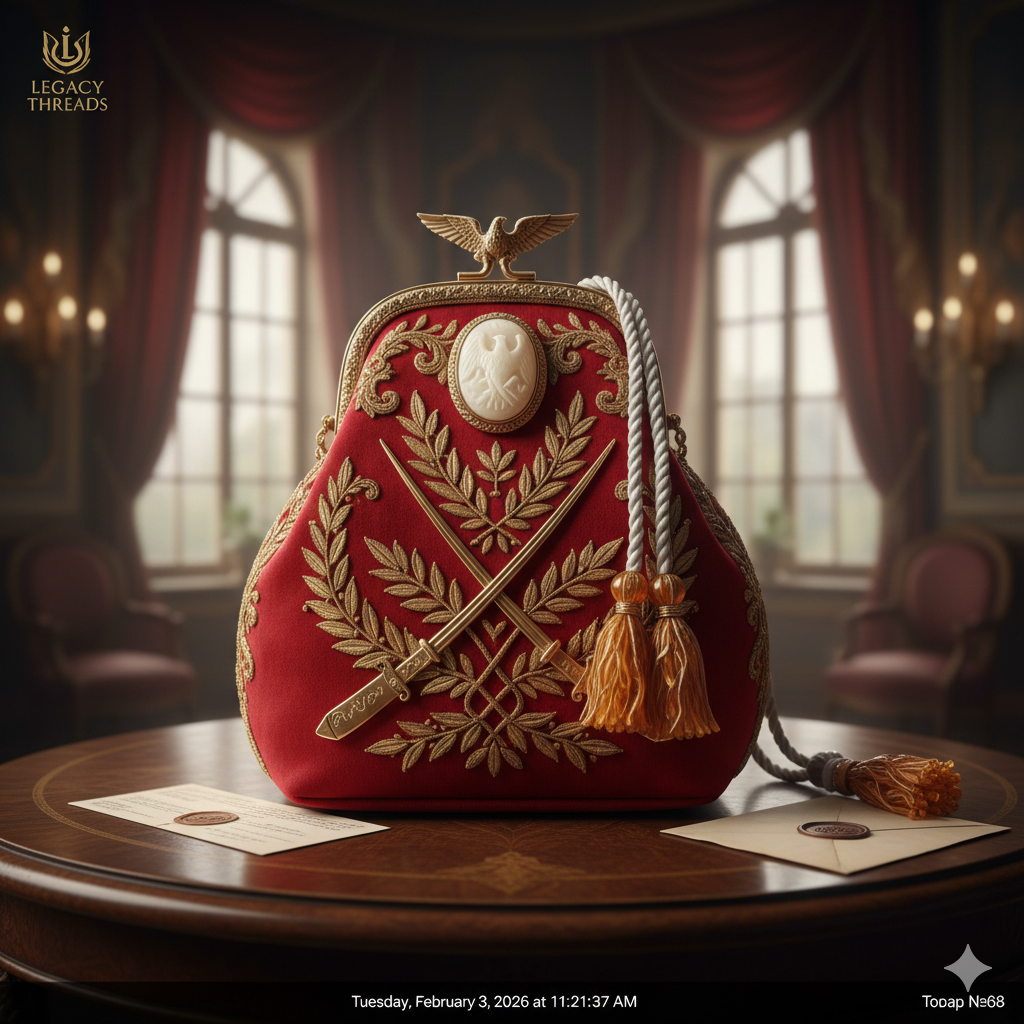
The "Regimental Standard" is an exquisite drawstring handbag, known as a reticule or "ridicule," which became an essential accessory as the slim silhouette of Empire gowns left no room for pockets. This piece is a tribute to the bravery and pageantry of the Napoleonic cavalry, designed for a lady who finds beauty in military precision.
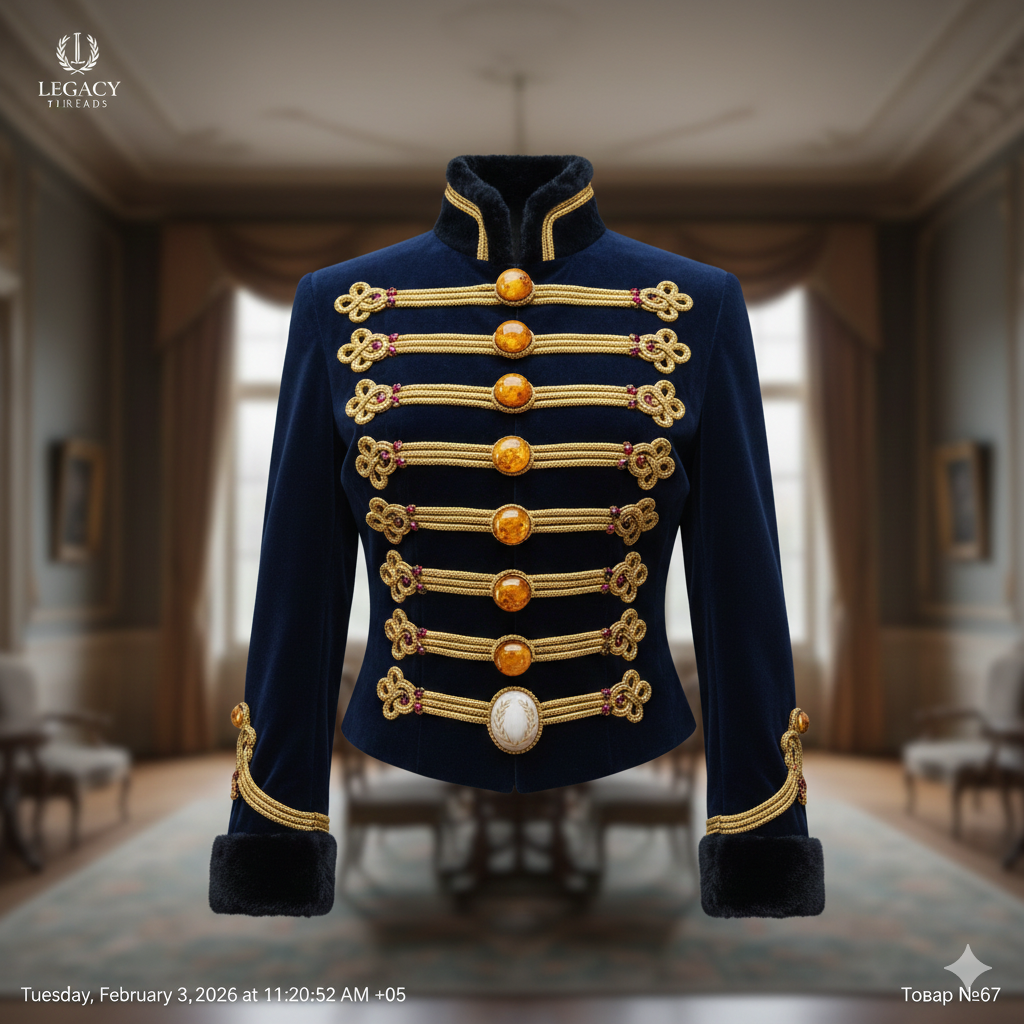
The "Hussar's Ballad" is a stunning Spencer jacket, a short, waist-length coat that was the height of fashion for ladies during the Napoleonic era. This particular piece draws direct inspiration from the dashing uniforms of the French Hussars, blending military rigor with feminine grace.