𝔼𝕩𝕡𝕠𝑀𝑜𝒹



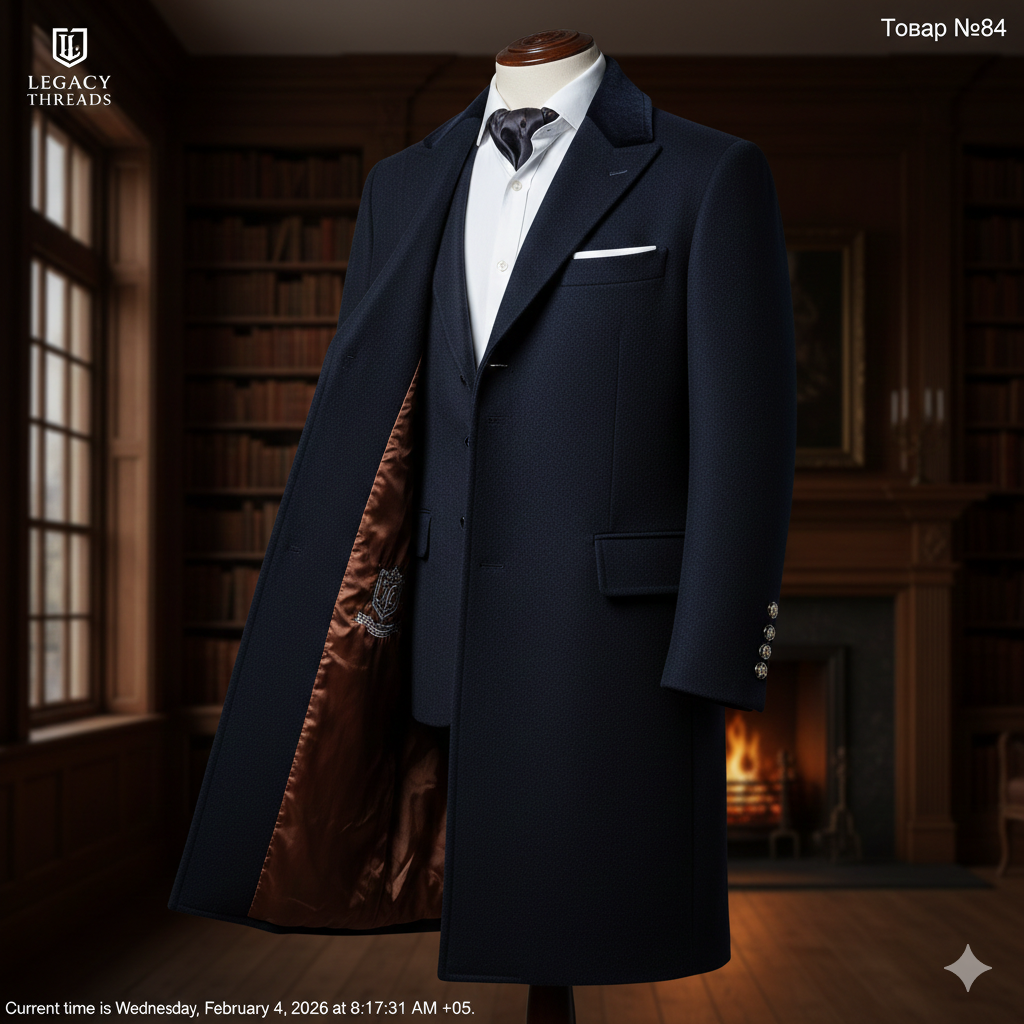
The "Northern Bastion" Chesterfield coat is a definitive piece of mid-19th century outerwear, introducing the streamlined elegance that would define the Victorian businessman. Unlike the waist-seamed frock coats, the Chesterfield offered a straighter, more modern cut, suitable for wearing over a full suit.
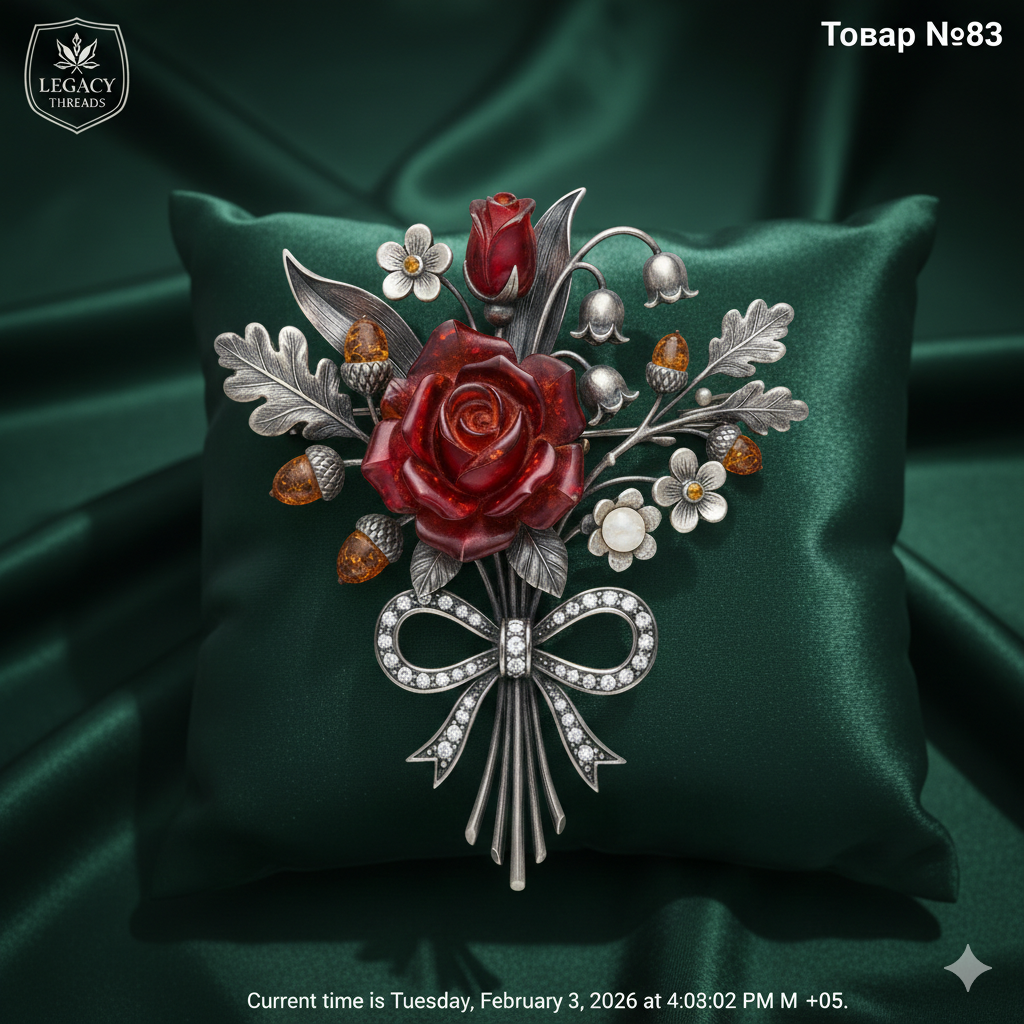
The "Victorian Secret" Posy Brooch is a masterful example of mid-19th century romantic jewelry, specifically designed to showcase the "Language of Flowers" (Floriography). During the early Victorian era, bouquets were used to send coded messages of love, friendship, or mourning. This brooch serves as a permanent, jeweled bouquet for a lady's bodice or shawl.
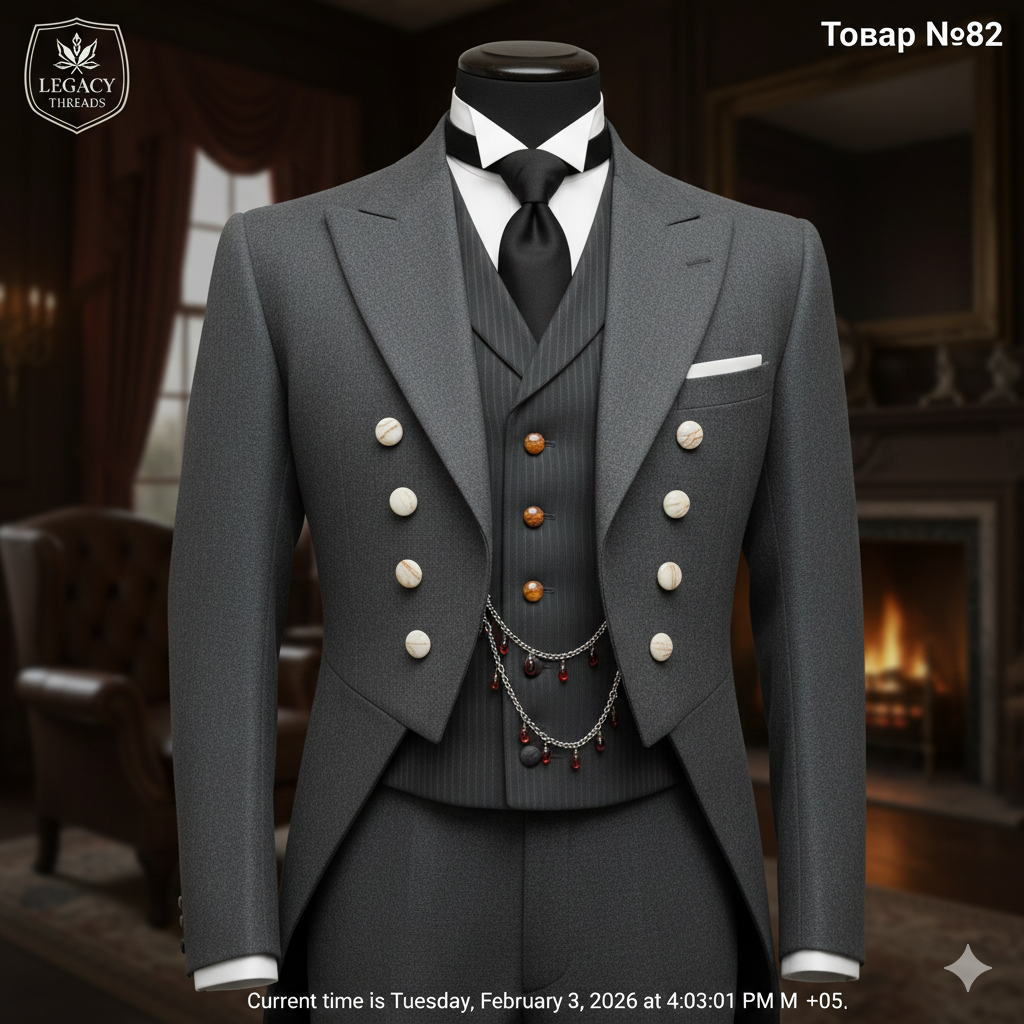
The "St. James Gentleman" Day Suit is a quintessential example of refined early Victorian menswear, circa 1850s, embodying the era's emphasis on sobriety, impeccable tailoring, and subtle distinction. This three-piece suit is designed for a man of affairs—a statesman, a prosperous businessman, or a respected scholar—for daytime engagements in London or country estates.
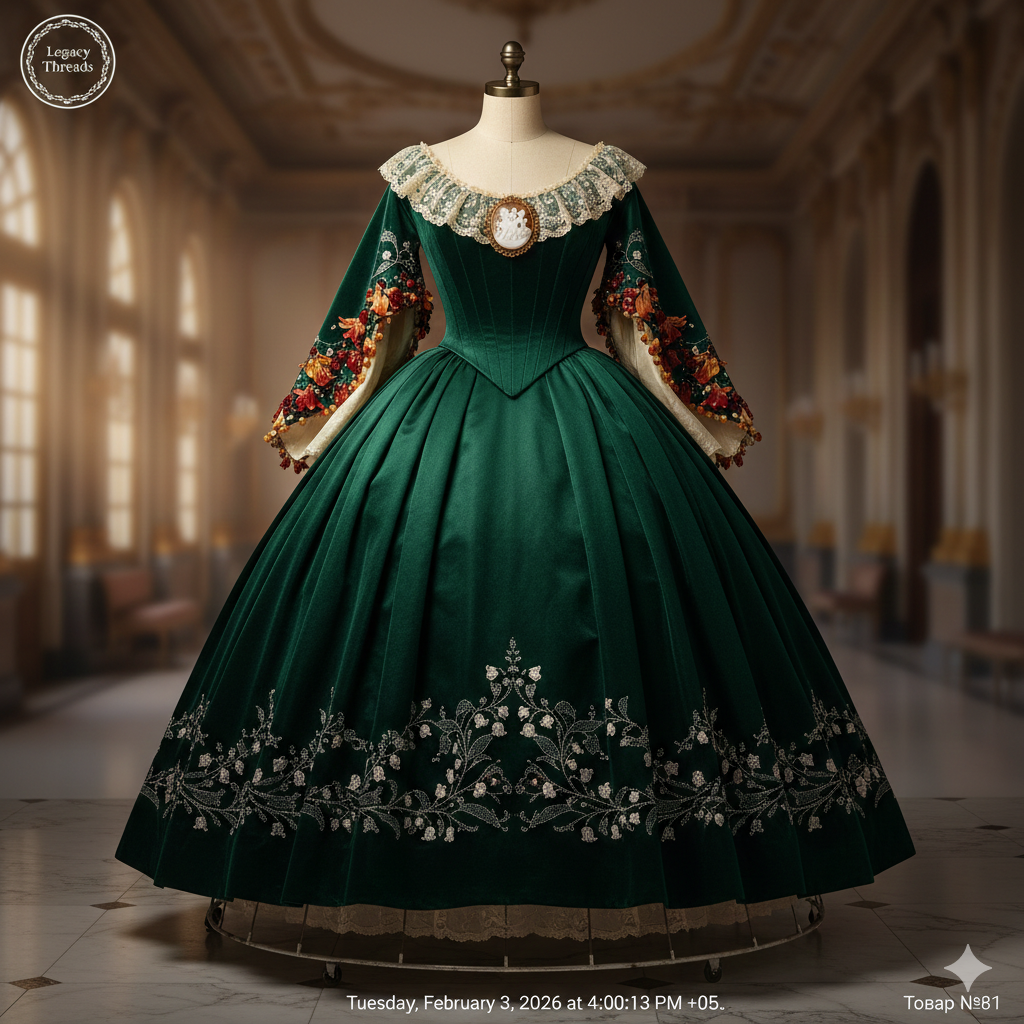
The "Midnight Lily" Ball Gown is a breathtaking example of early Victorian opulence, circa 1850s, epitomizing the era's grand aesthetic. Designed for a lady of significant social standing, this gown is destined for a glittering ball at a stately home or a royal court function.
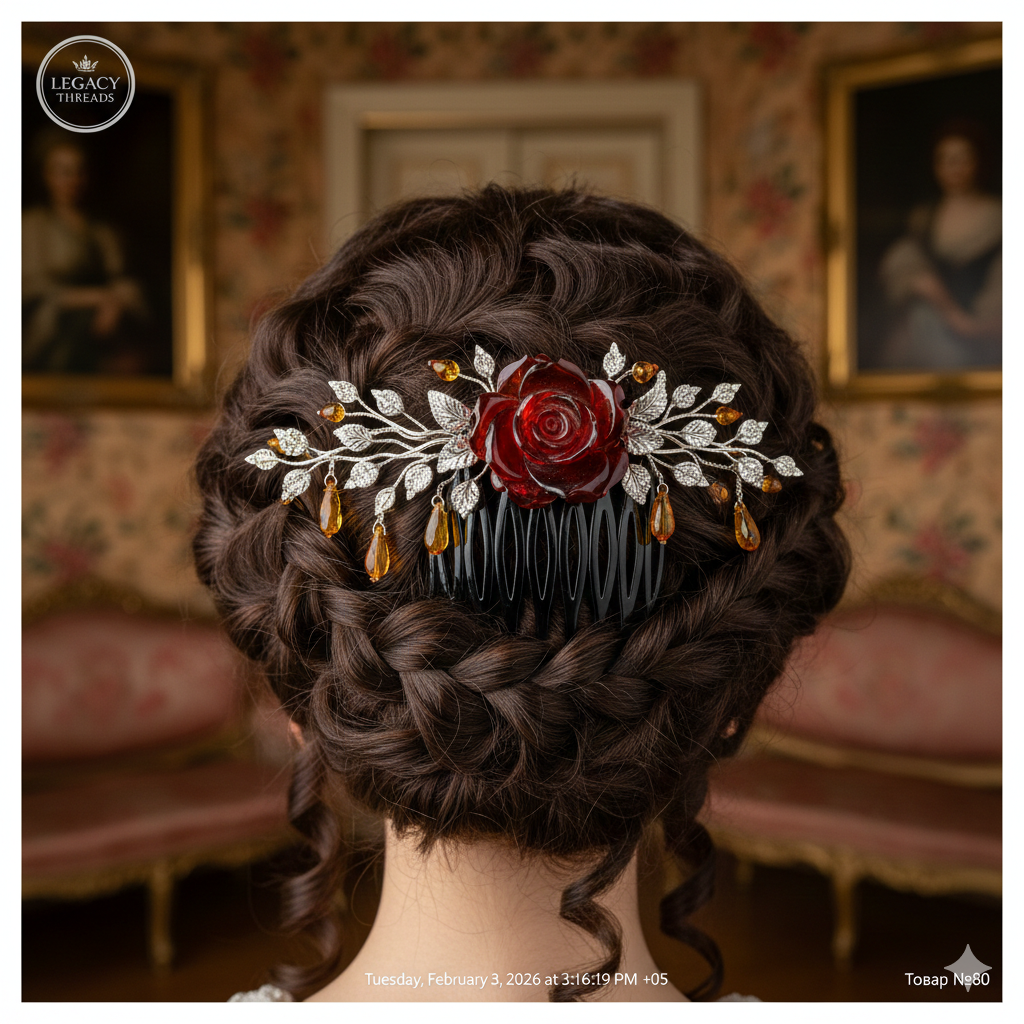
The "Romantic Dawn" hair comb is an exquisite accessory, perfect for adorning the elaborate hairstyles of the 1830s Romantic era. During this period, women's hair was often styled in intricate updos with voluminous loops and braids at the temples, requiring elegant pieces to secure and enhance them. This comb is designed for an evening reception or a formal promenade.
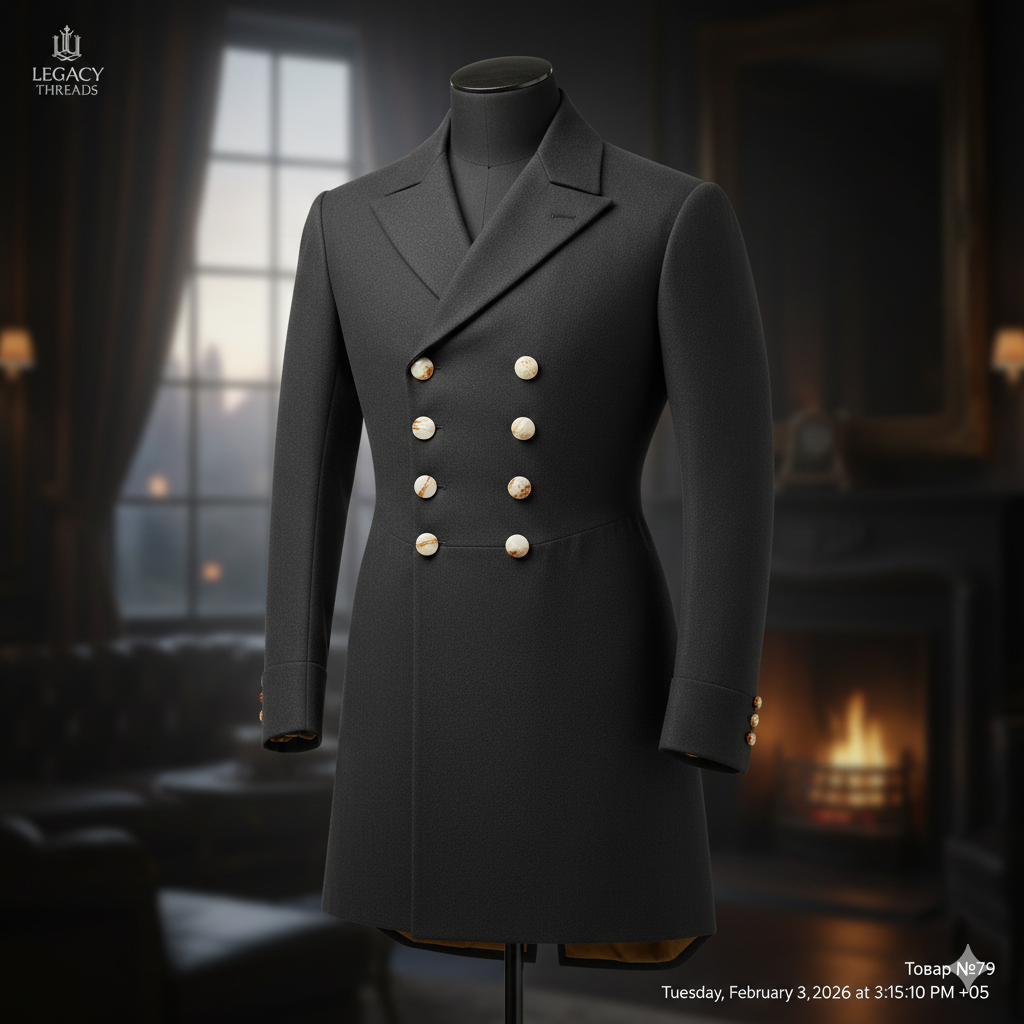
The "London Fog" tailcoat is a masterpiece of early 19th-century tailoring, representing the peak of the Dandy aesthetic popular in the 1830s. Designed for a gentleman who values understated luxury and a razor-sharp silhouette, this coat is suitable for both high-stakes club rooms and exclusive evening soirées.
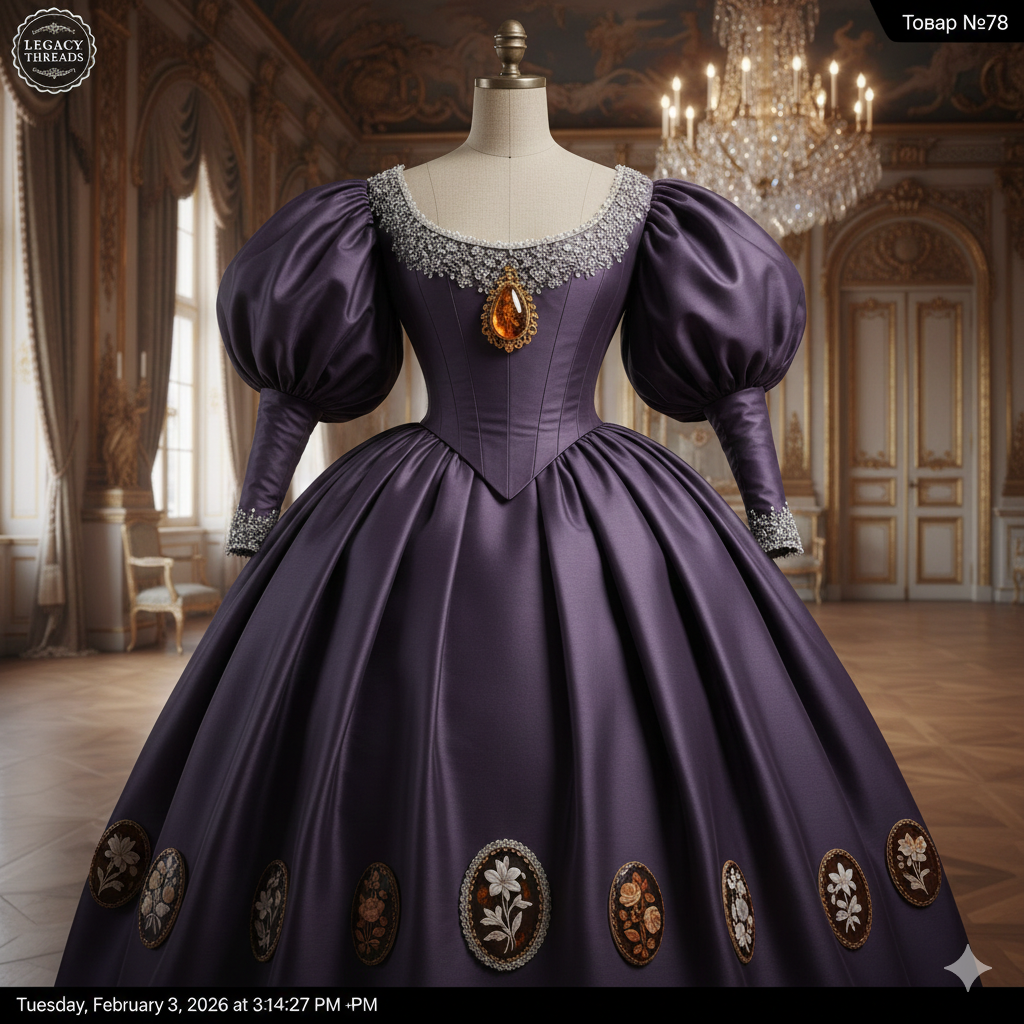
The "Tuileries Evening" gown is a quintessential example of the Romantic Era (circa 1830s), showcasing the dramatic shift from the slim Empire line to a more voluminous, structured silhouette. This dress is designed for a lady of the Parisian elite, intended for a night of opera or a grand reception at the palace.
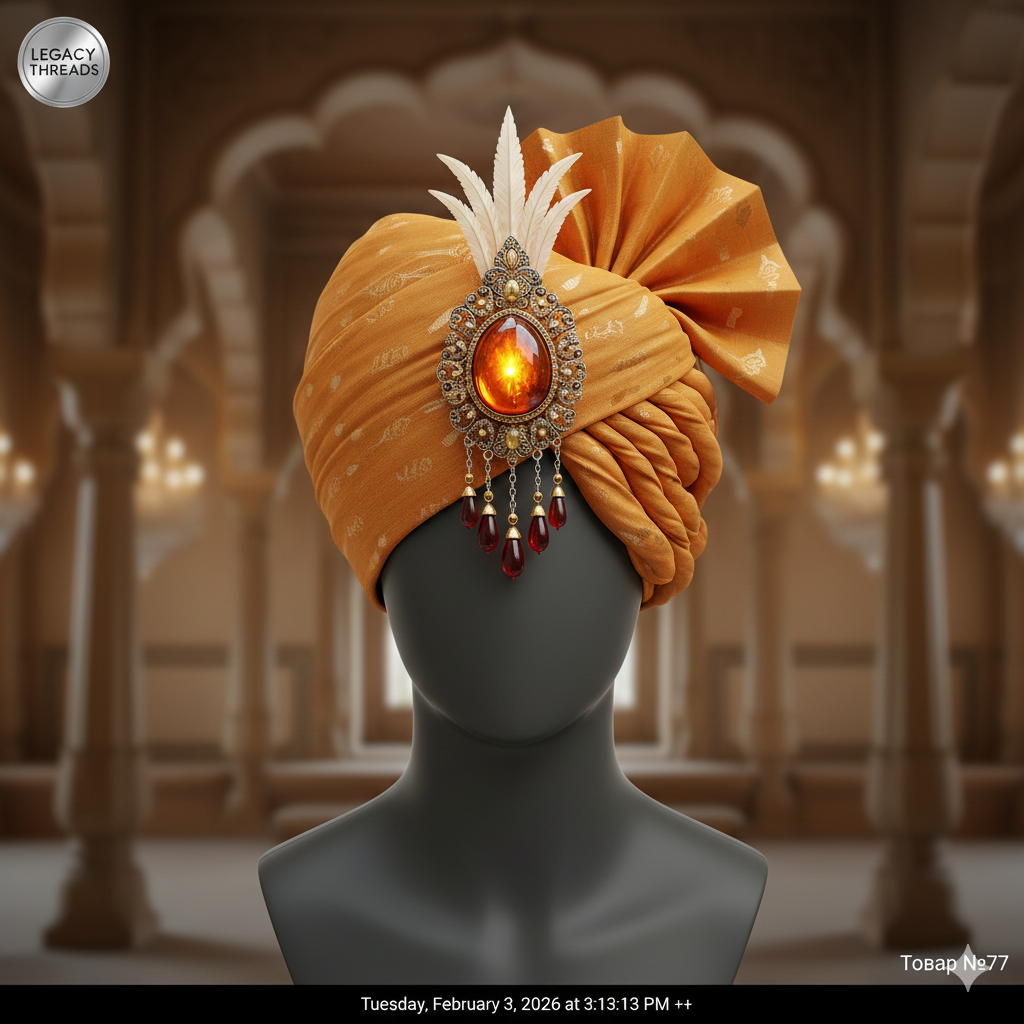
The "Golden Lion of Punjab" is a majestic ceremonial Pagri (turban), inspired by the military and royal splendor of the Sikh Empire in the early 19th century. A turban was more than just a headpiece; it was a crown of identity and spiritual strength.
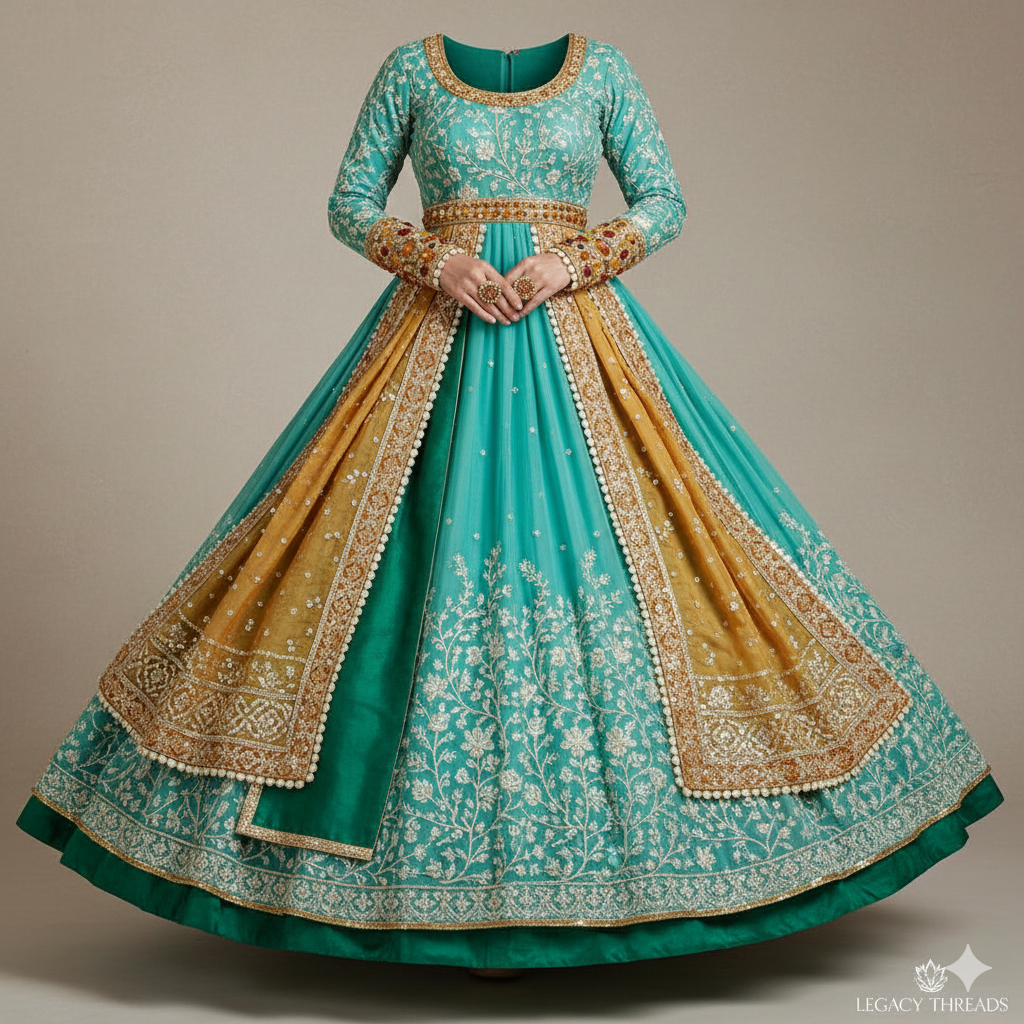
The "Celestial Dew of Udaipur" is an exquisite saree, reflecting the opulent elegance of Rajasthani royalty in the early 19th century. This garment is a testament to the unparalleled skill of Indian weavers and embroiderers, designed for a queen or high-ranking noblewoman attending a grand court ceremony.