𝔼𝕩𝕡𝕠𝑀𝑜𝒹



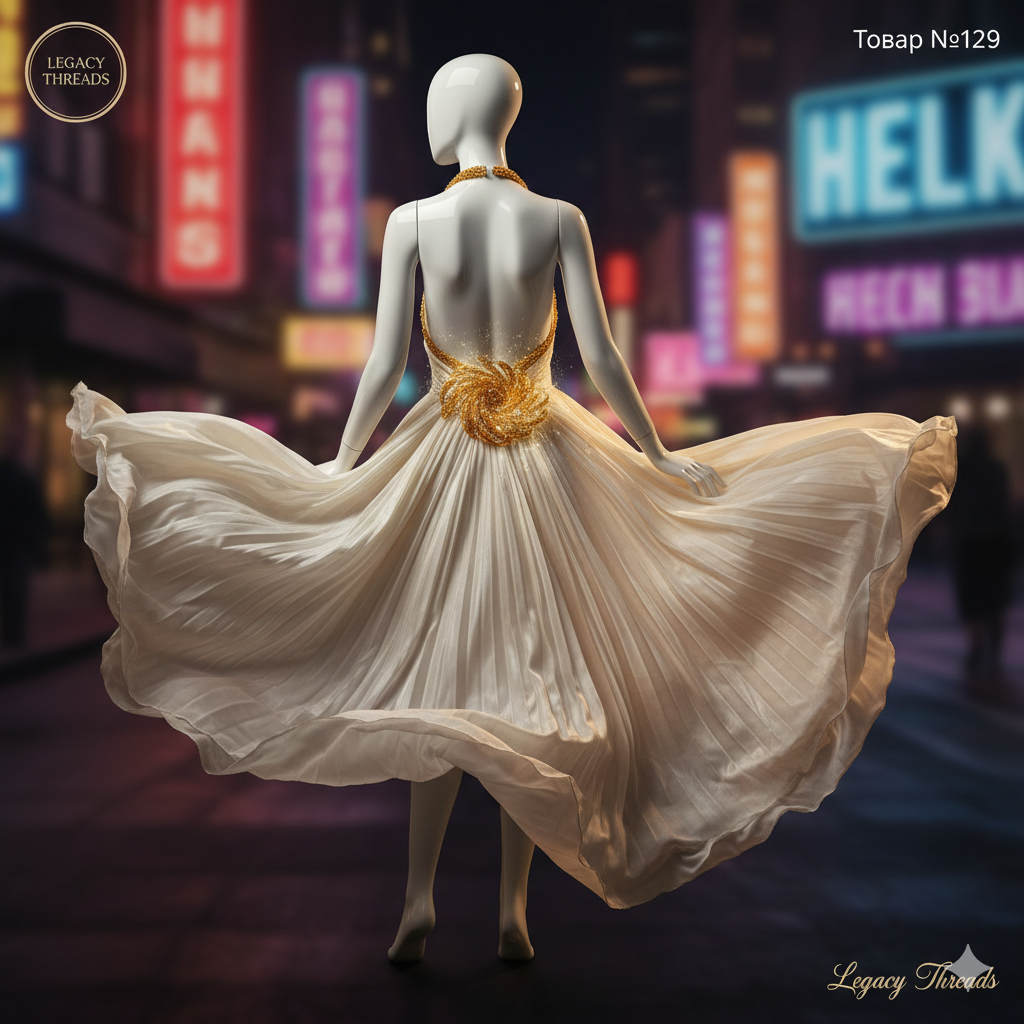
The "Floating Obsession" halter dress is a homage to Marilyn Monroe's most iconic moment, reimagined with the opulent touch of Legacy Threads. This dress captures the playful sensuality and timeless allure of the original, transforming it into a luxurious collector's piece fit for a modern siren.
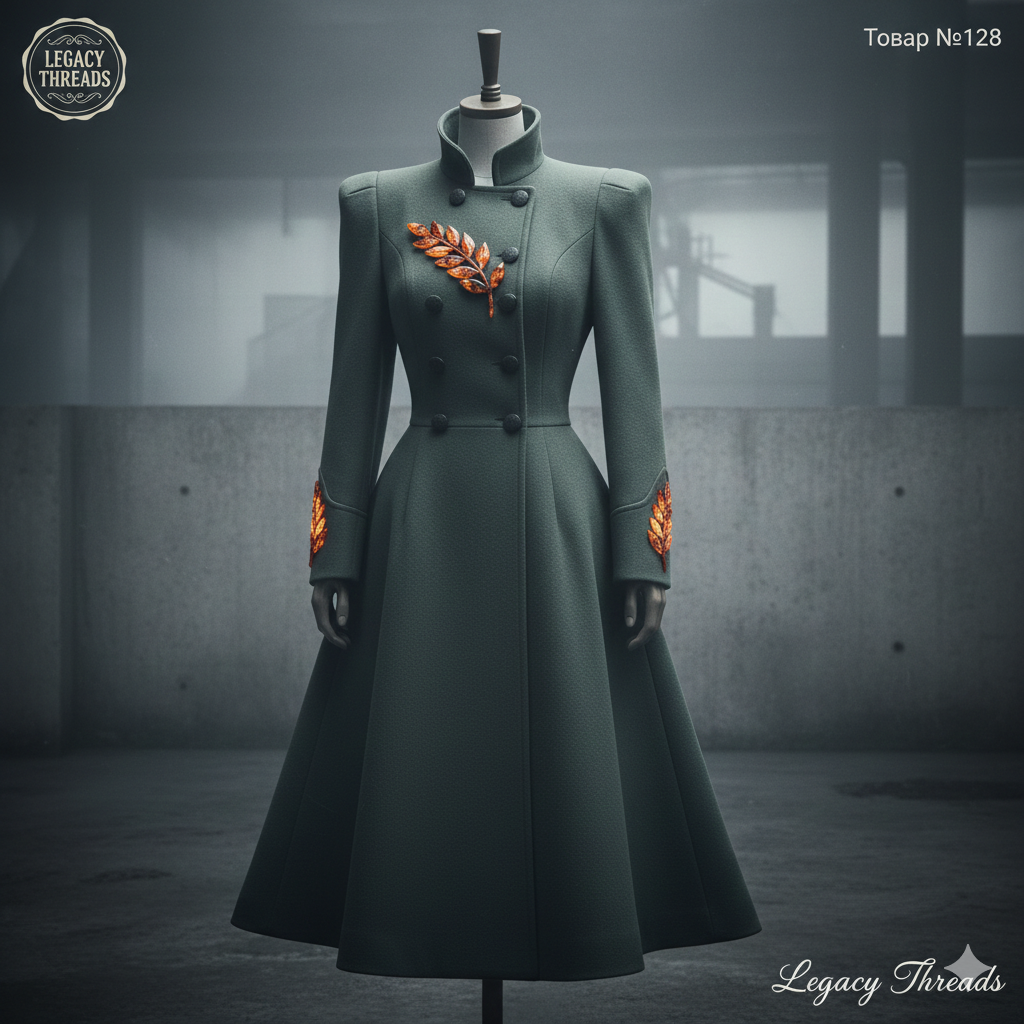
The "Steel Wormwood" Redingote is a masterpiece of wartime tailoring, blending the strict geometry of a military coat with the refined silhouette of high-end Soviet fashion from the 1940s. It represents the strength of a woman standing firm in a world of upheaval.
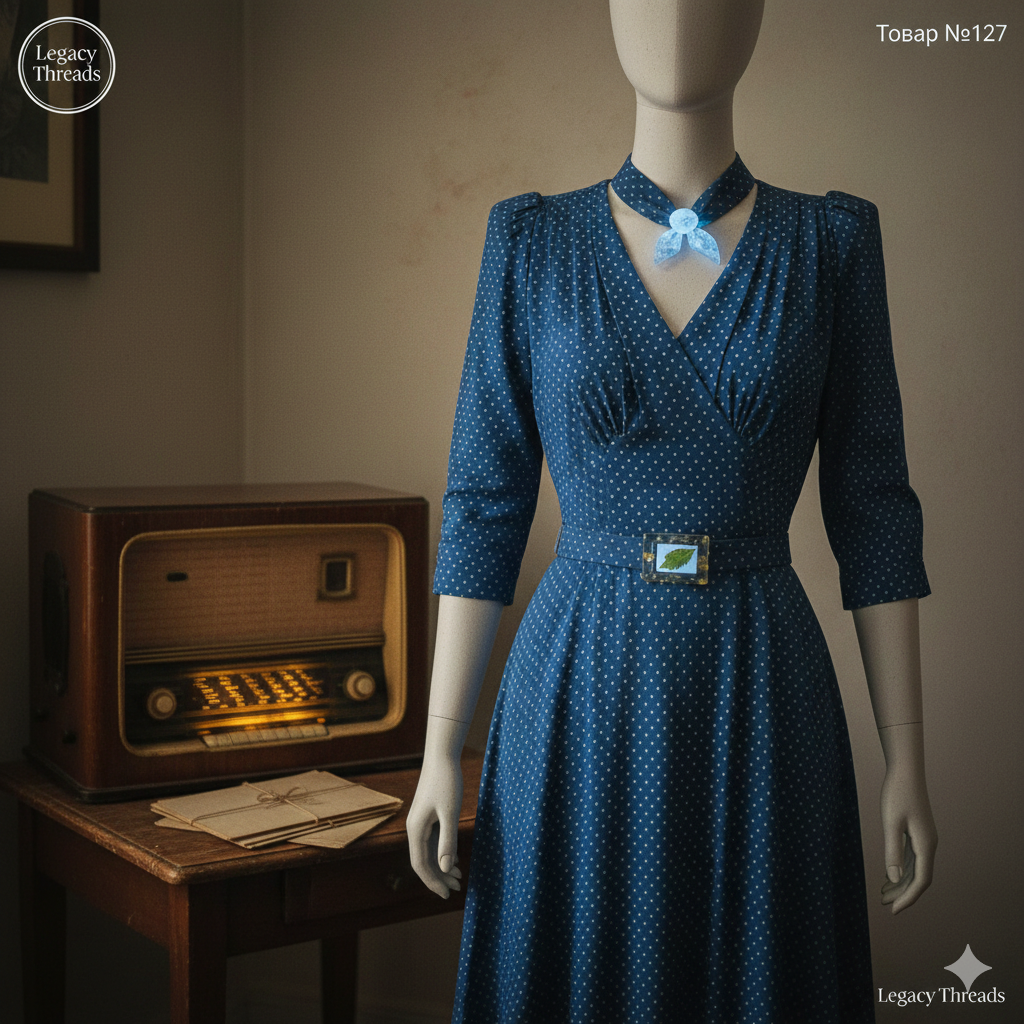
The "Blue Kerchief" tea dress is an evocative piece that captures the bittersweet nostalgia of the mid-1940s. Named after the legendary wartime song, it represents the promise of return and the enduring grace of women waiting for peace. It is a dress for a quiet evening by the radio or a hopeful stroll through a city park during a rare moment of calm.
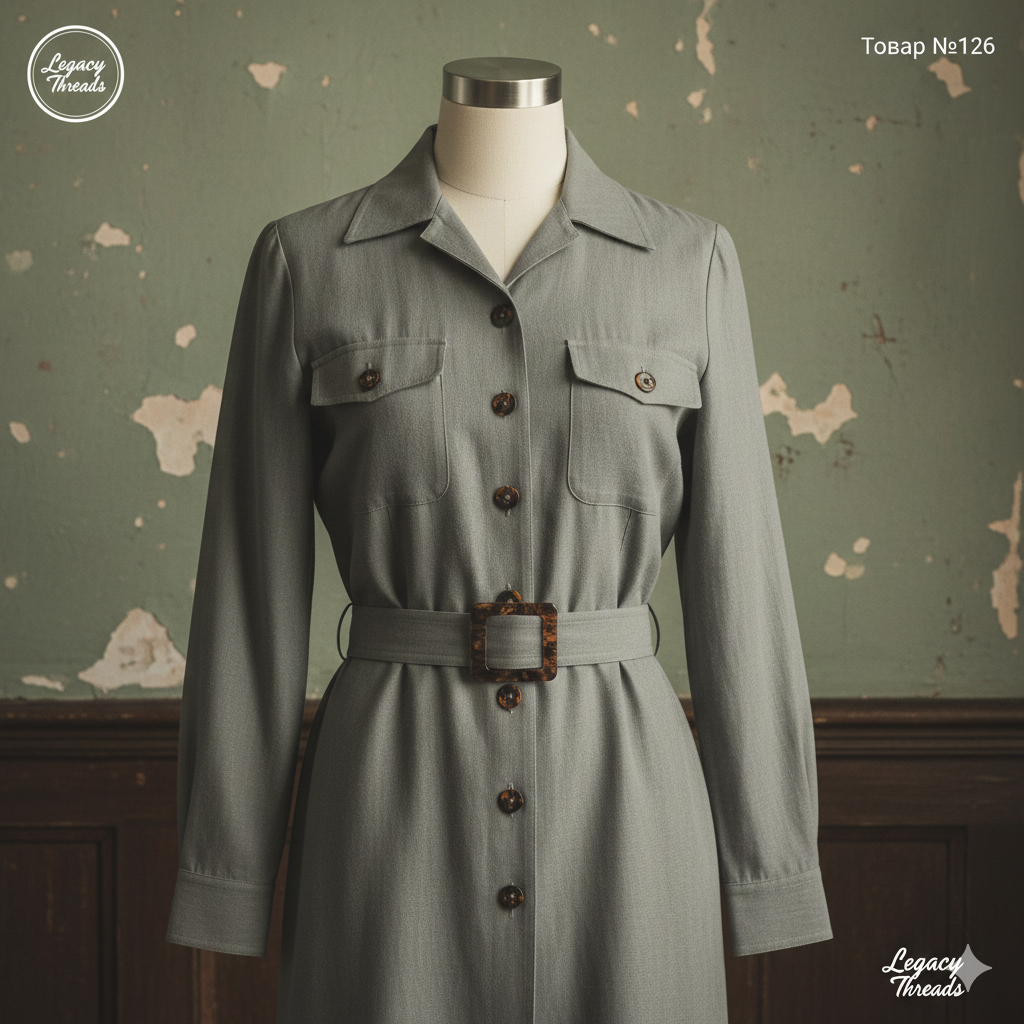
The "Frontline Elegance" shirtdress is a testament to the resilient spirit and adaptive style of women during World War II. Reflecting the era's austerity and the pervasive influence of military uniforms, this dress offers a blend of practicality and understated grace, suitable for factory work, civil defense, or a rare evening out.
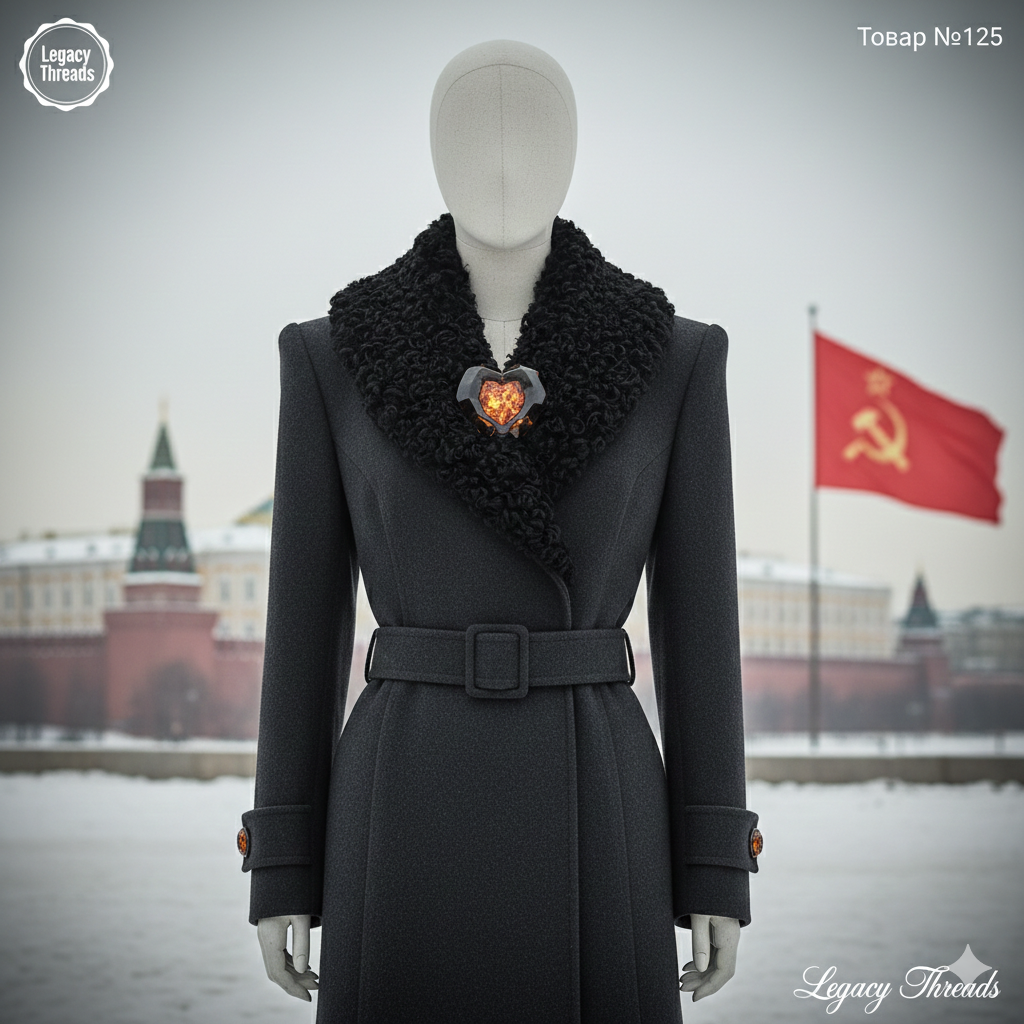
The "Stalinist Empire" Greatcoat is a masterpiece of structural tailoring, representing the monumental aesthetic of the 1930s. It is a garment that commands respect, blending the rigor of a military uniform with the plush indulgence of the Moscow elite's winter wardrobe.
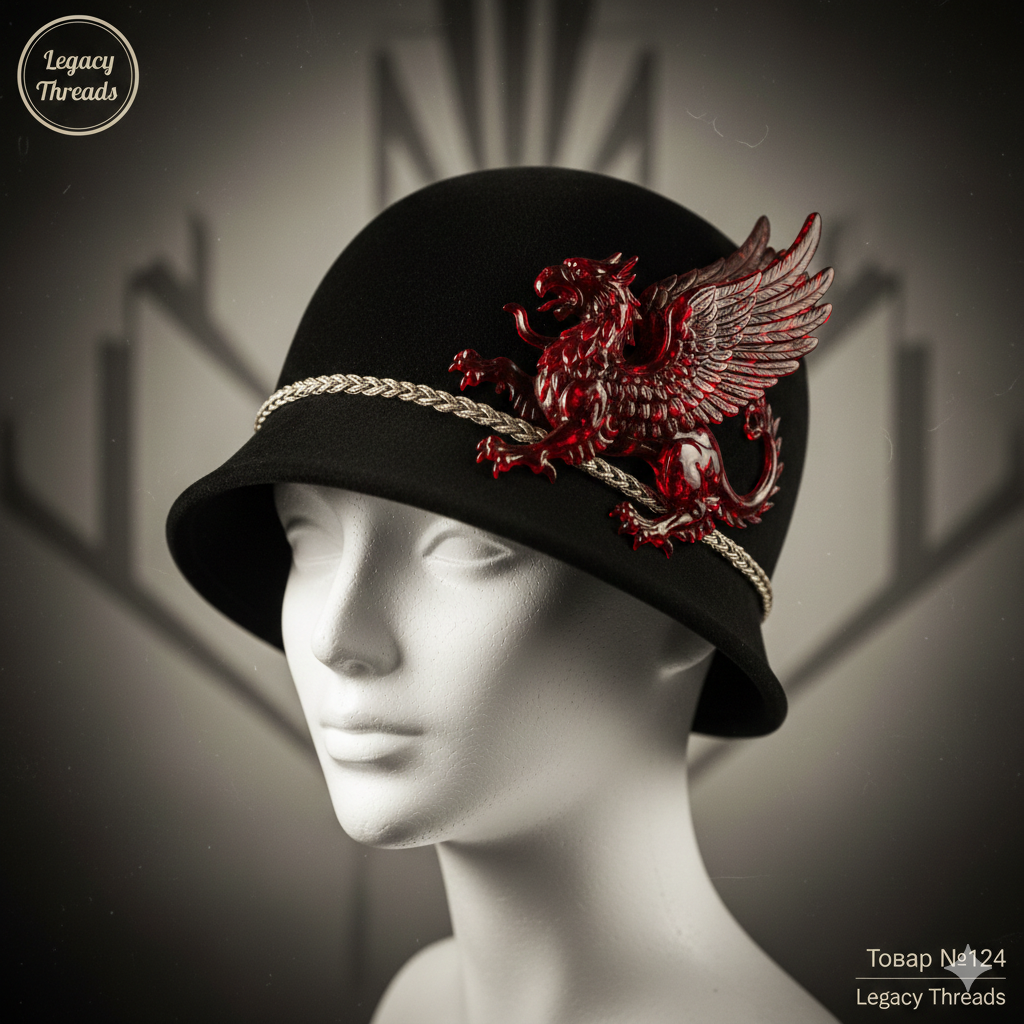
The "Griffin's Enigma" cloche hat is a subtle nod to the enduring elegance of the 1930s, reimagined for the discerning woman of the Soviet elite. While the cloche hat itself was a relic of the 20s, its influence lingered, evolving into more structured and sometimes militaristic forms that still retained an air of mystery and sophistication. This piece is less about explicit Soviet
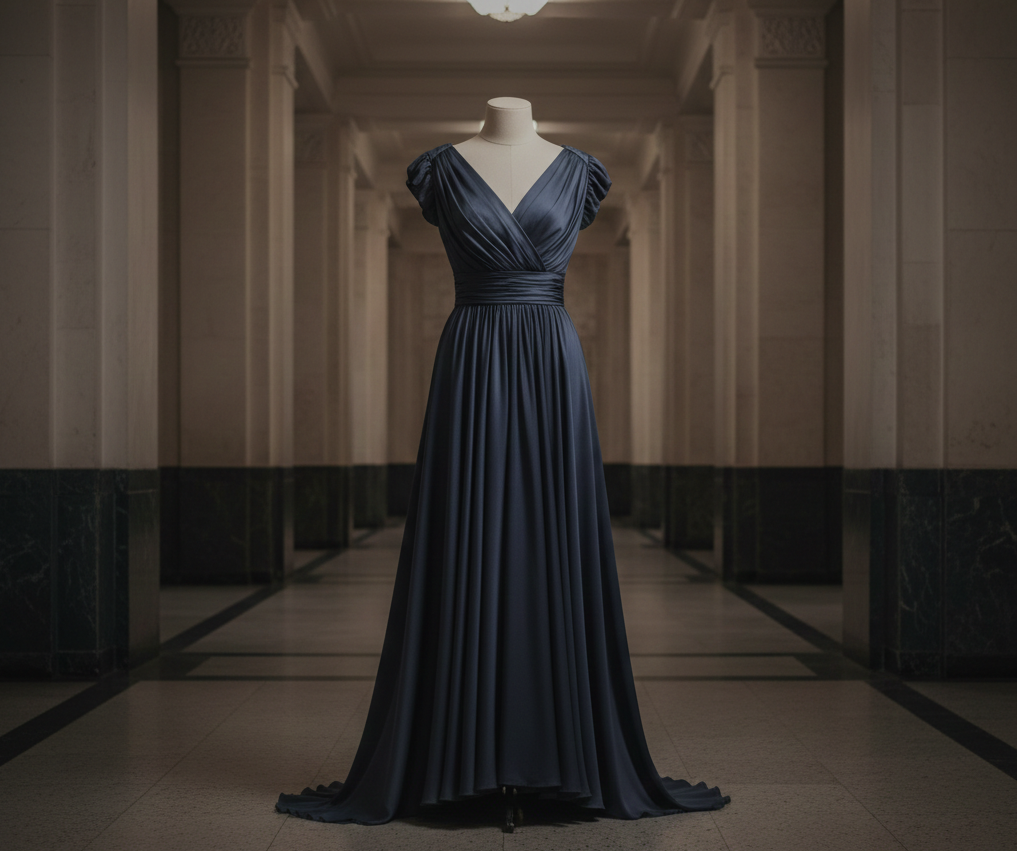
The "Nomenklatura Silk" gown embodies the paradoxical luxury of the 1930s high society in Moscow. It is a garment designed for the wives of the elite and the stars of the silver screen, meant to be worn at Bolshoi Theater premieres and secretive diplomatic receptions.
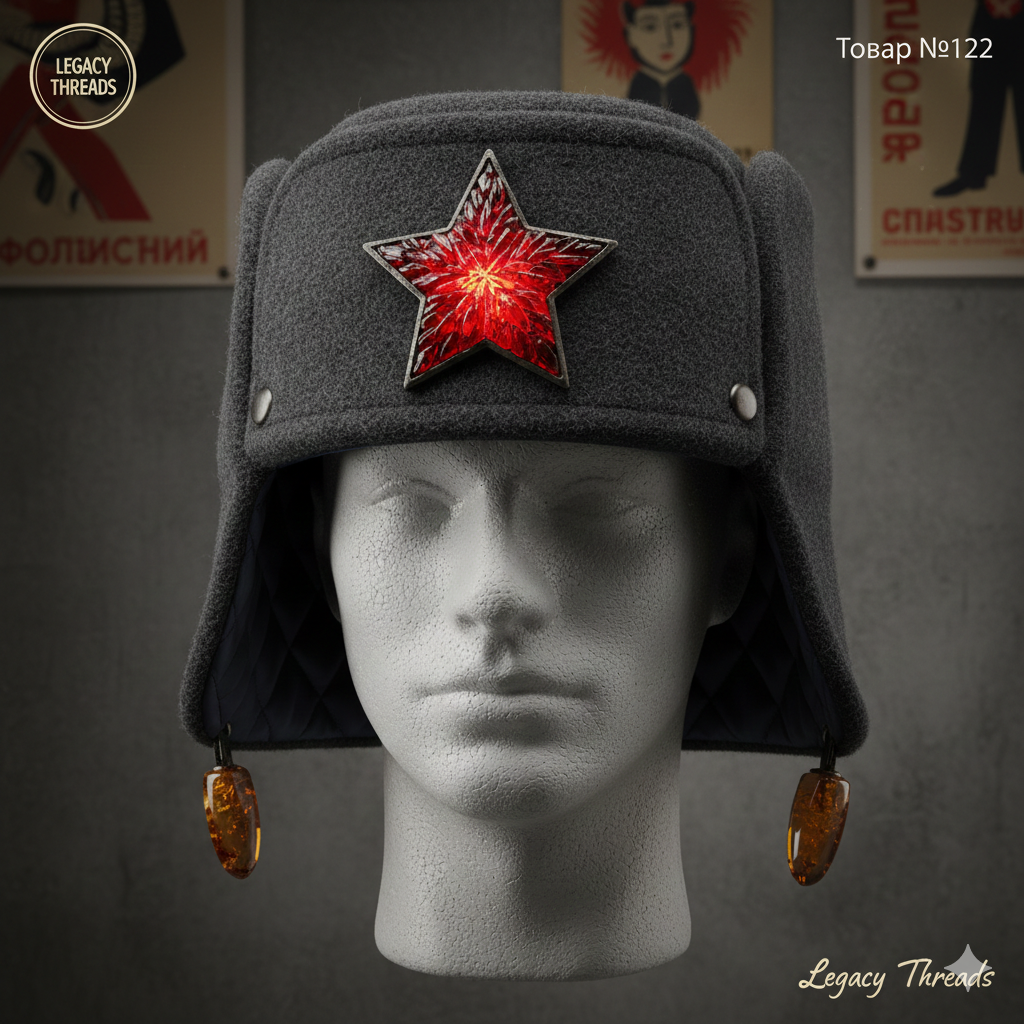
The "Proletarian Dawn" is a luxury reimagining of the early revolutionary "Bogatyrka" (later known as the Budenovka). This headgear was designed to evoke the spirit of ancient Russian knights while serving the needs of the Red Army's cavalry commanders. It represents the fusion of folklore and fierce ideology.
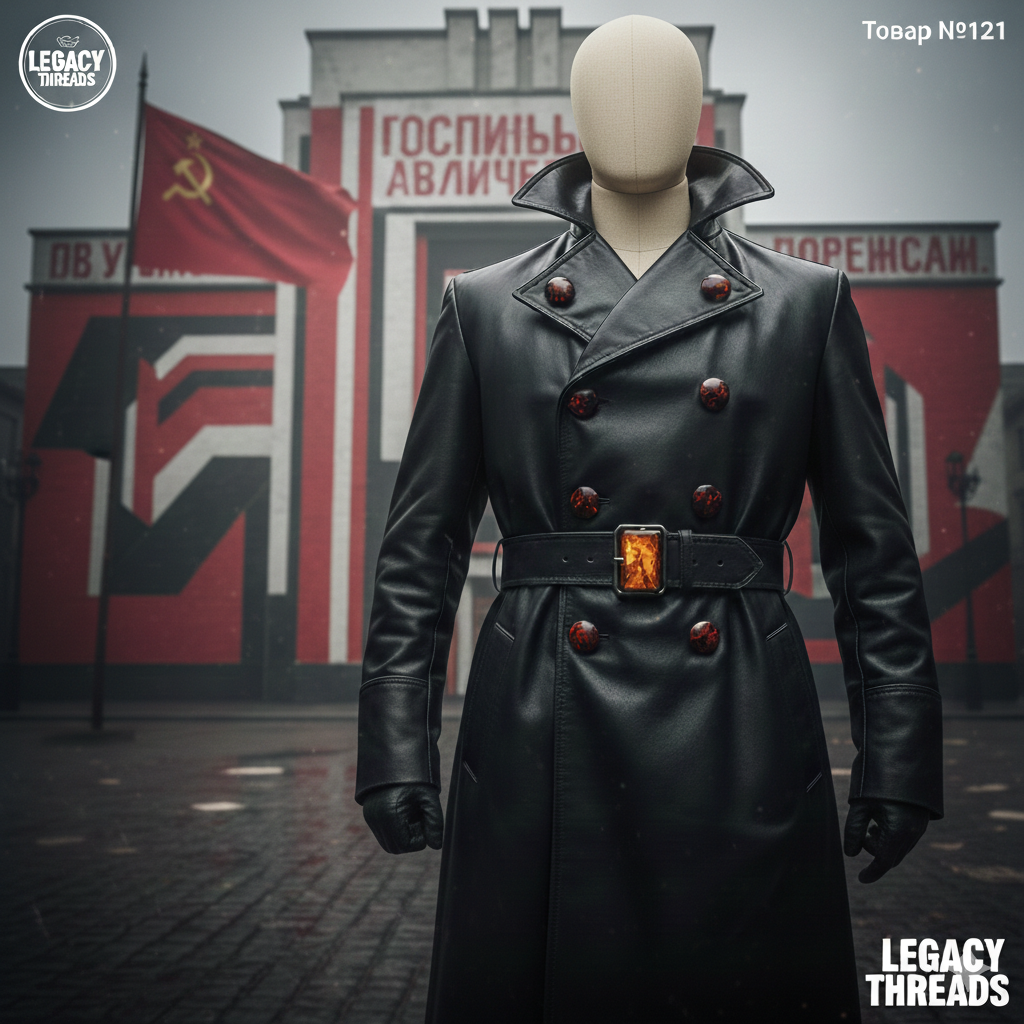
The "Red Terror" Commissar's Coat is perhaps the most iconic garment of the October Revolution, symbolizing absolute authority and unwavering resolve. This is not mere outerwear; it is a uniform, a declaration of power, and a shield against both the elements and the enemies of the revolution.