𝔼𝕩𝕡𝕠𝑀𝑜𝒹



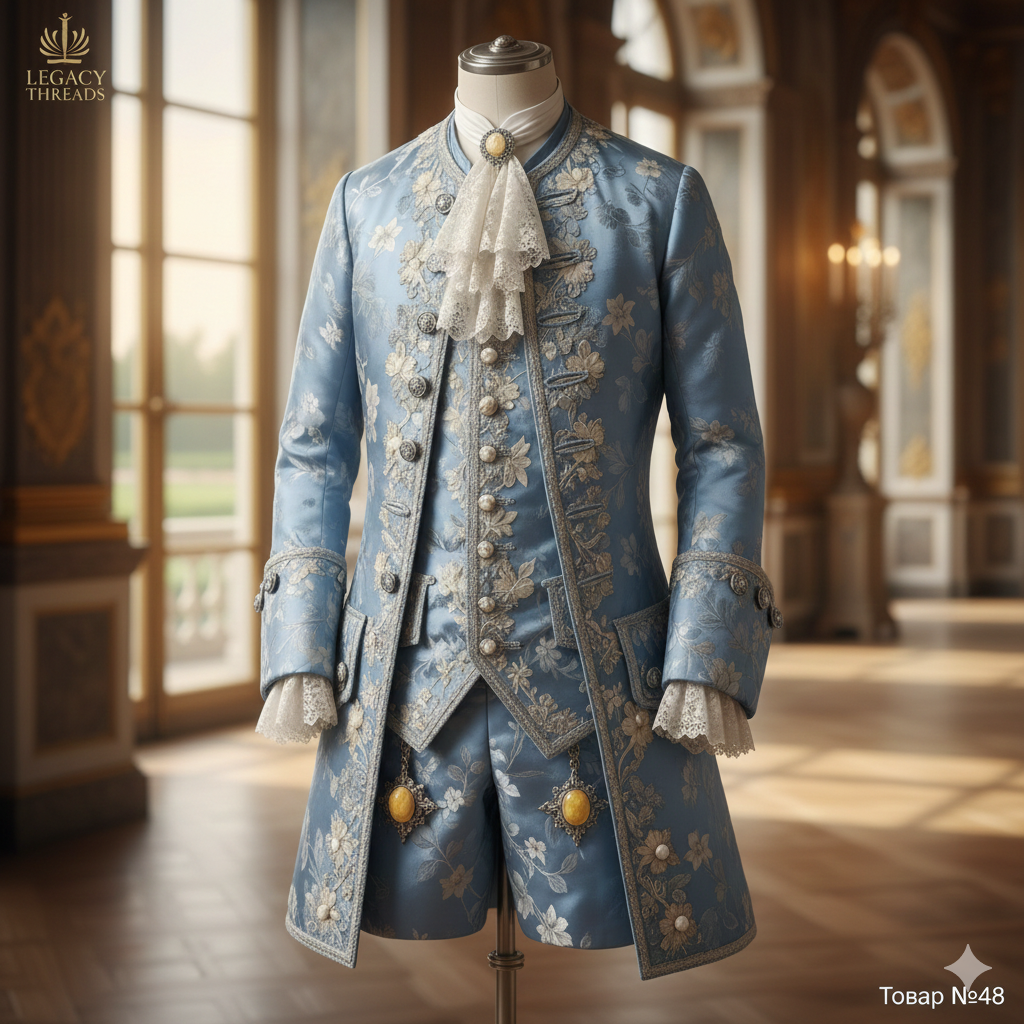
The "Versailles Noon" ensemble is a pinnacle of Rococo elegance, representing the height of French court fashion in the mid-18th century. As the silhouette moved away from the heavy Baroque style, the justaucorps (coat) became more fitted, flaring elegantly at the hips to accommodate the fashionable sword.
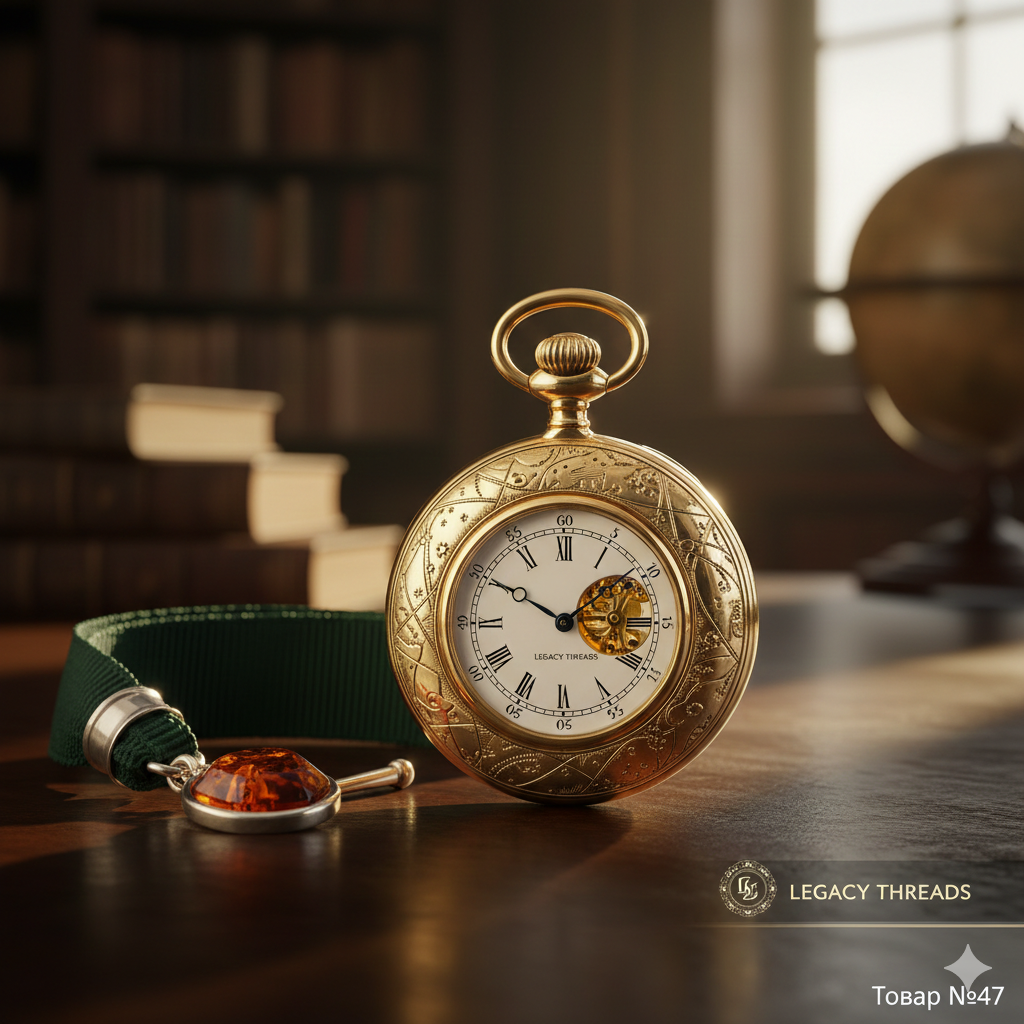
The "London Meridian" Pocket Watch is a masterpiece of horological art, inspired by the scientific revolution and the works of great English watchmakers like Thomas Tompion. During the late 17th century, possessing a portable timepiece was the ultimate sign of a modern, educated gentleman of the Stuart era.
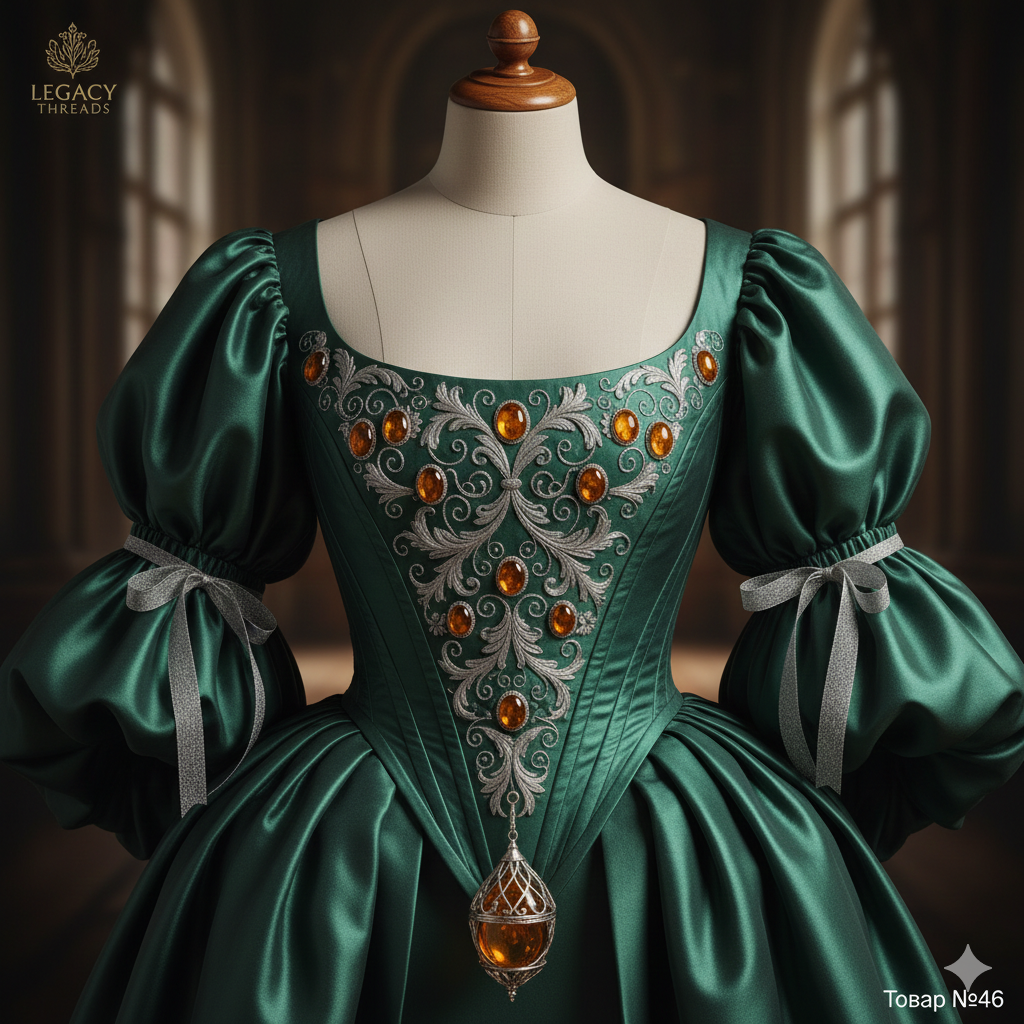
The "Greenwich Shadow" Lady’s Bodice is an exquisite example of English mid-17th-century tailoring, inspired by the portraits of Sir Peter Lely. This bodice reflects the shift from the rigid Elizabethan structures to a softer, more romantic silhouette that defined the Stuart court.
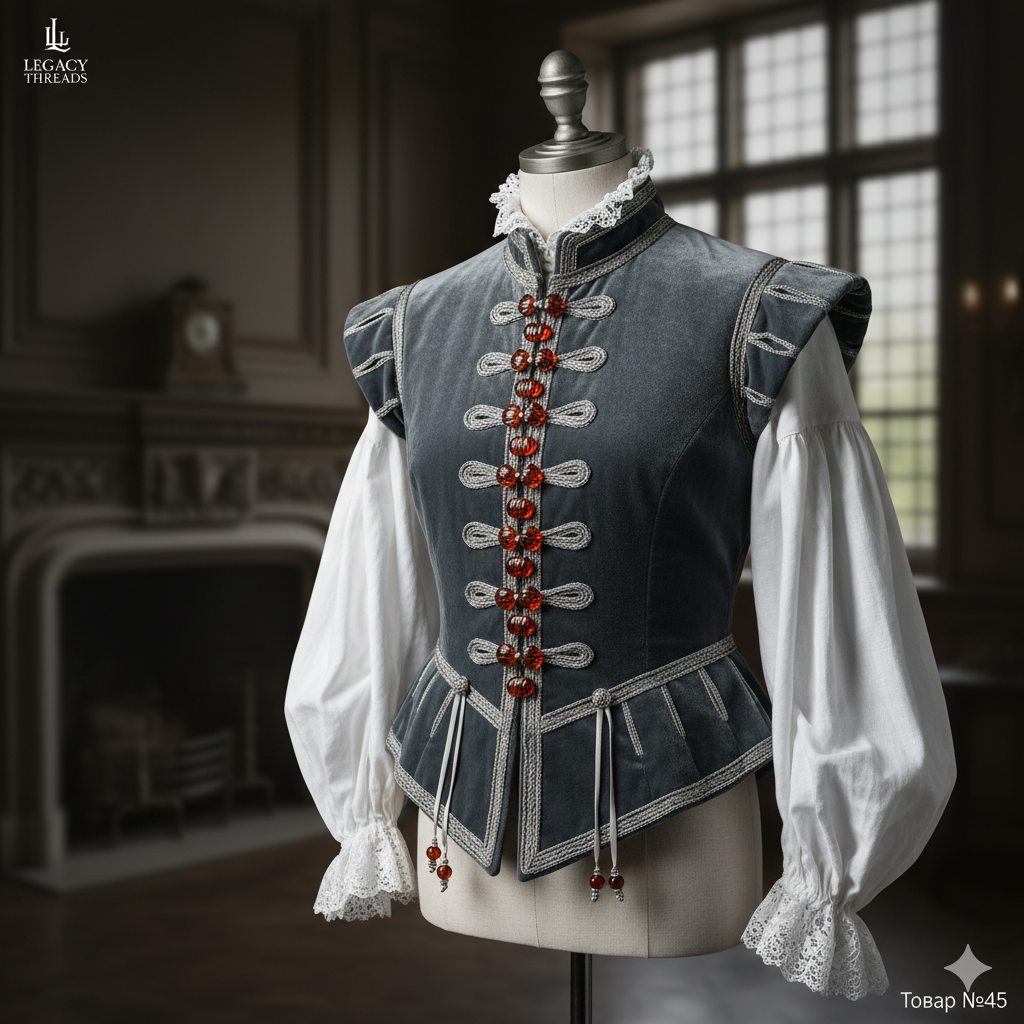
The "Restoration Spirit" Cavalier Doublet is a quintessential garment of the English mid-to-late 17th century, celebrating the return of flamboyant fashion after the somber years of the Commonwealth. This doublet captures the rakish elegance of the court of Charles II, known as the "Merry Monarch."
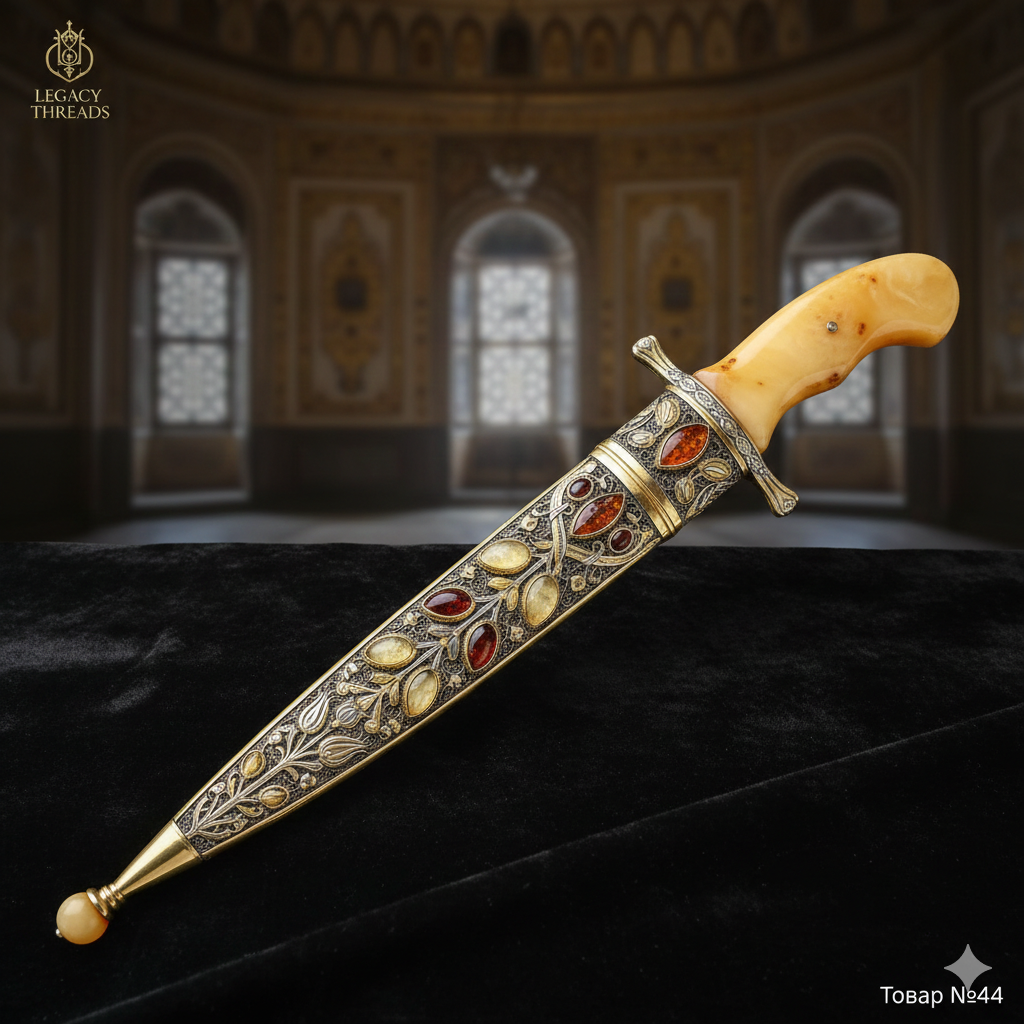
The "Bosphorus Whisper" Khanjar is a breathtaking example of 17th-century Ottoman ceremonial weaponry. In an empire where military prowess was divine, a beautifully adorned dagger was the ultimate mark of a gentleman and a high-ranking official.
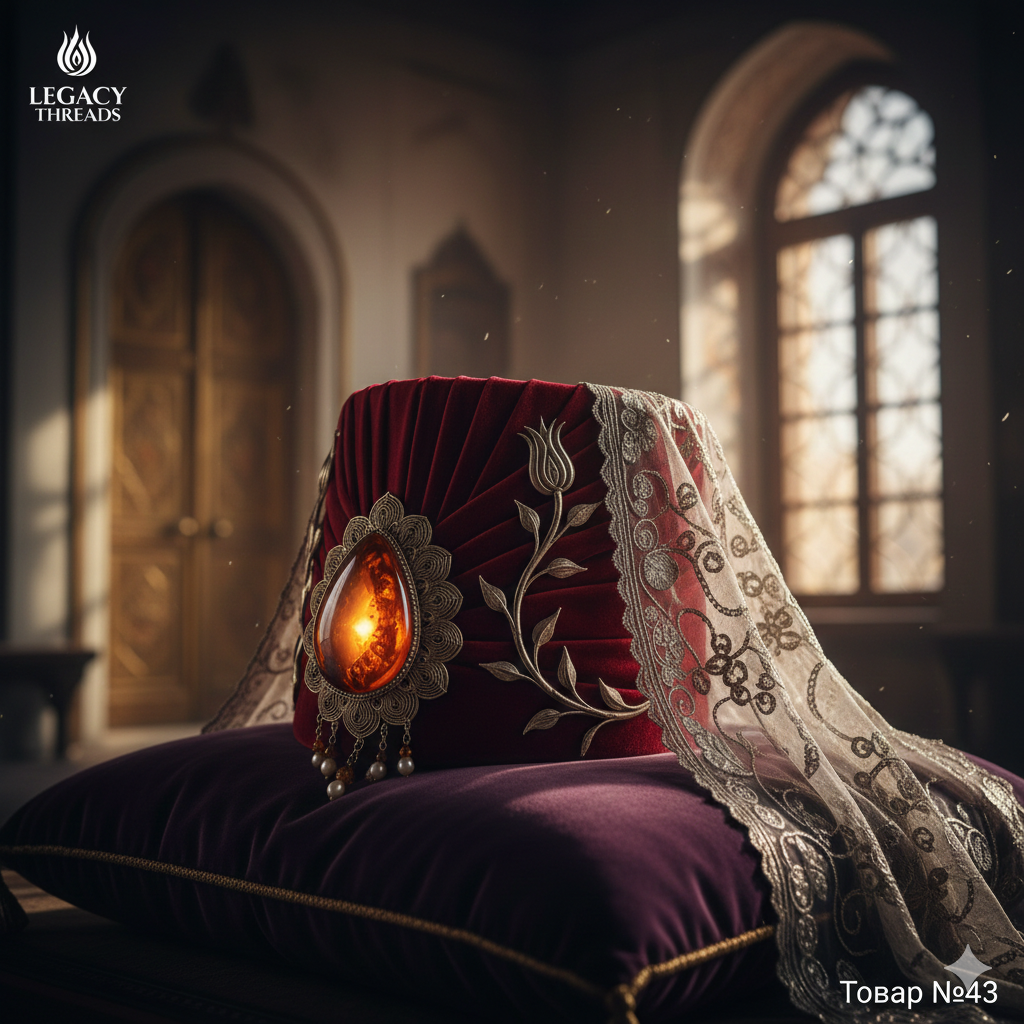
The "Harem Tulip" Hotoz is a stunning reconstruction of the high-fashion headdresses worn by Ottoman noblewomen during the mid-17th century. The hotoz was a symbol of femininity and social rank, often leaning forward or to the side to create a daring, elegant silhouette that complemented the voluminous robes of the era.
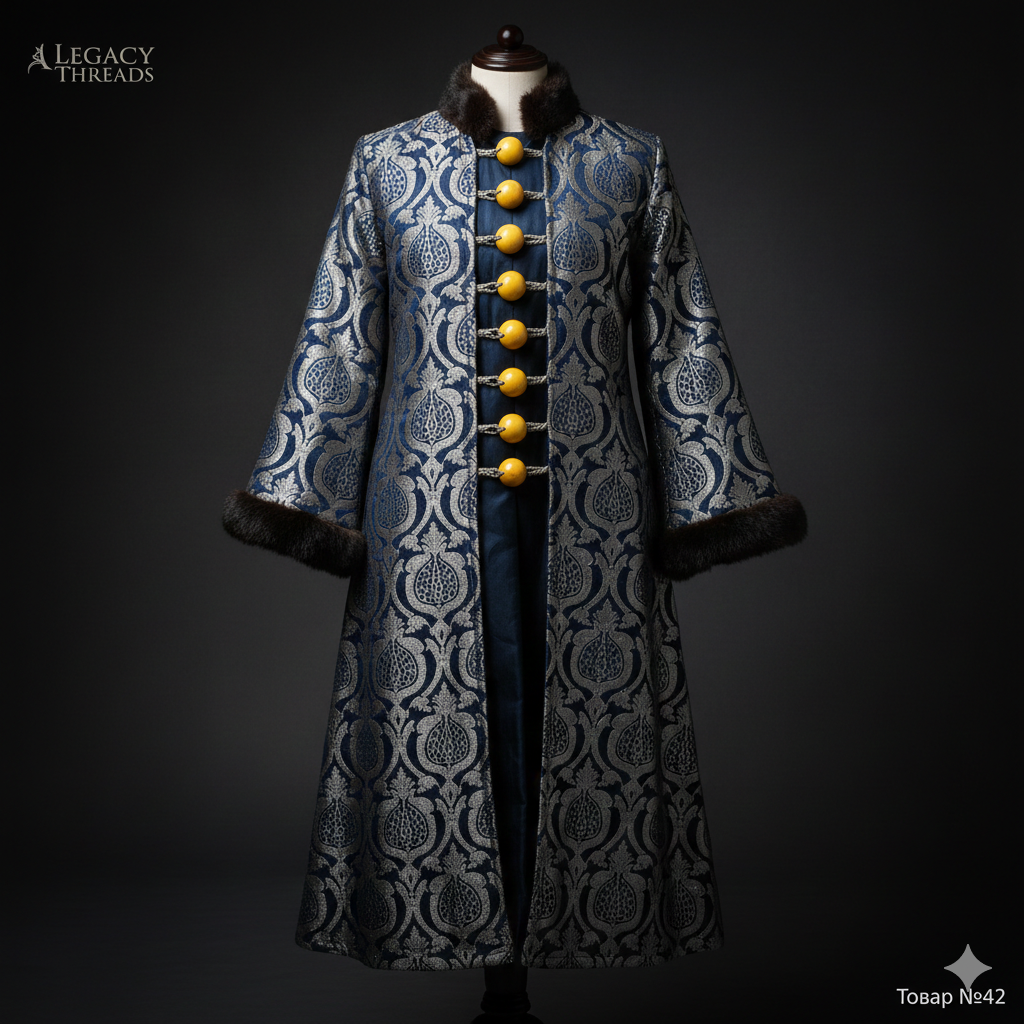
The "Istanbul Lights" Royal Kaftan is a majestic representation of the 17th-century Ottoman court splendor. In the Topkapi Palace, the kaftan was more than clothing—it was a "robe of honor," gifted by the Sultan to mark high favor. This garment reflects the pinnacle of Eastern luxury, blending architectural structure with fluid movement.
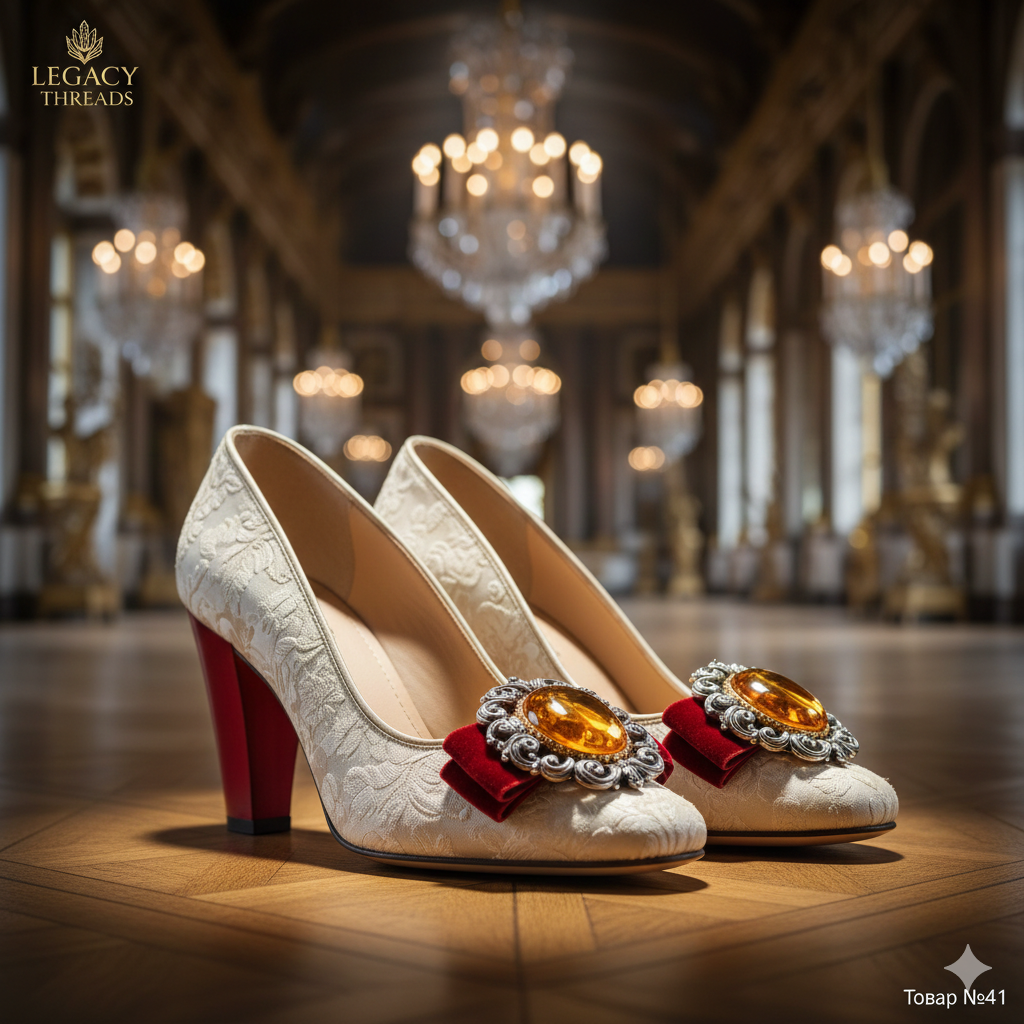
The "Sun King’s Stride" Court Shoes are the ultimate symbol of French aristocratic privilege in the late 17th century. These shoes are not merely footwear; they are a manifestation of the "talons rouges" (red heels) decree, marking the wearer as a member of the elite inner circle of Versailles.
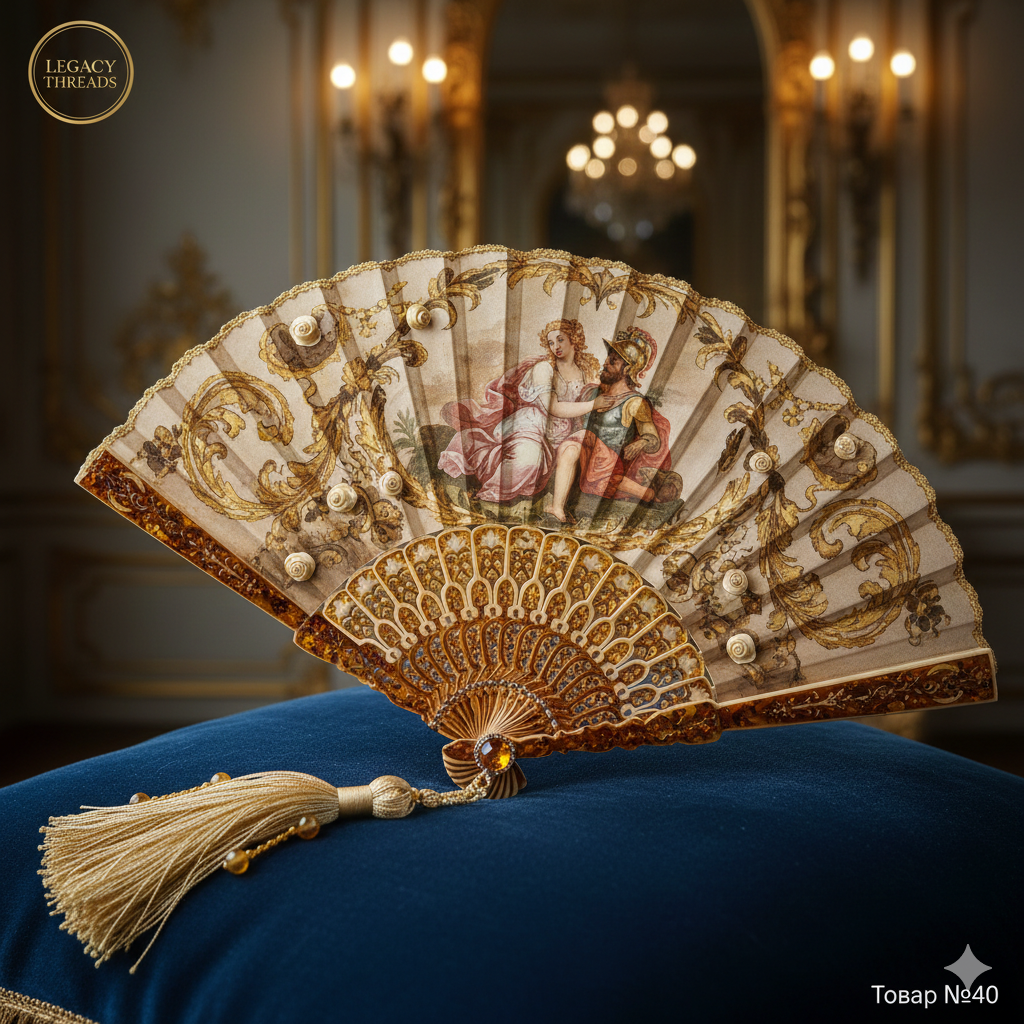
The "Montespan’s Intrigue" Folding Fan is an exquisite accessory inspired by the most glamorous and powerful mistress of Louis XIV. In the 17th-century French court, a fan was a silent language; every movement of its folds communicated a hidden message of love, warning, or disdain.