𝔼𝕩𝕡𝕠𝑀𝑜𝒹



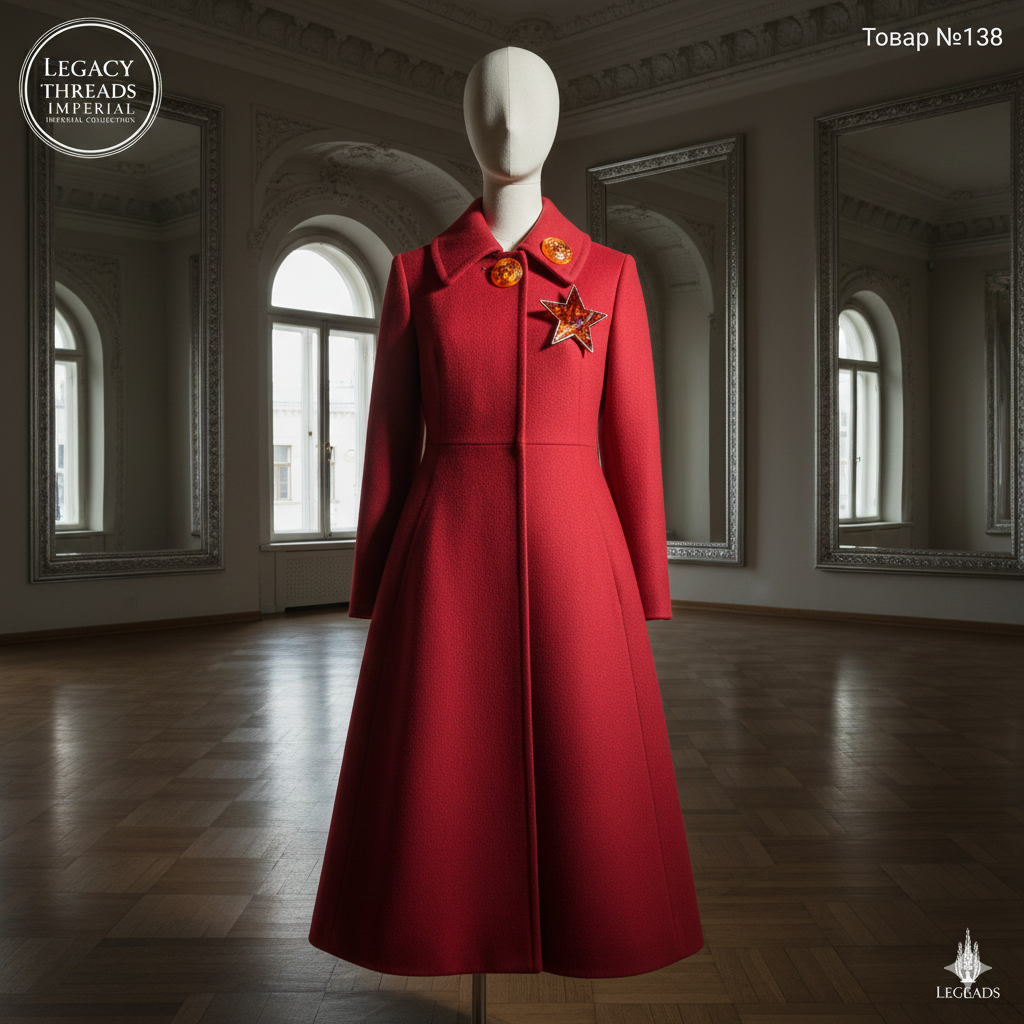
The "Red Queen" couture coat is a powerful tribute to the legendary Soviet fashion model Regina Zbarskaya and the height of the 1960s "Thaw" elegance. This garment captures the moment when Soviet fashion briefly stepped onto the world stage, blending severe structural lines with breathtaking luxury.
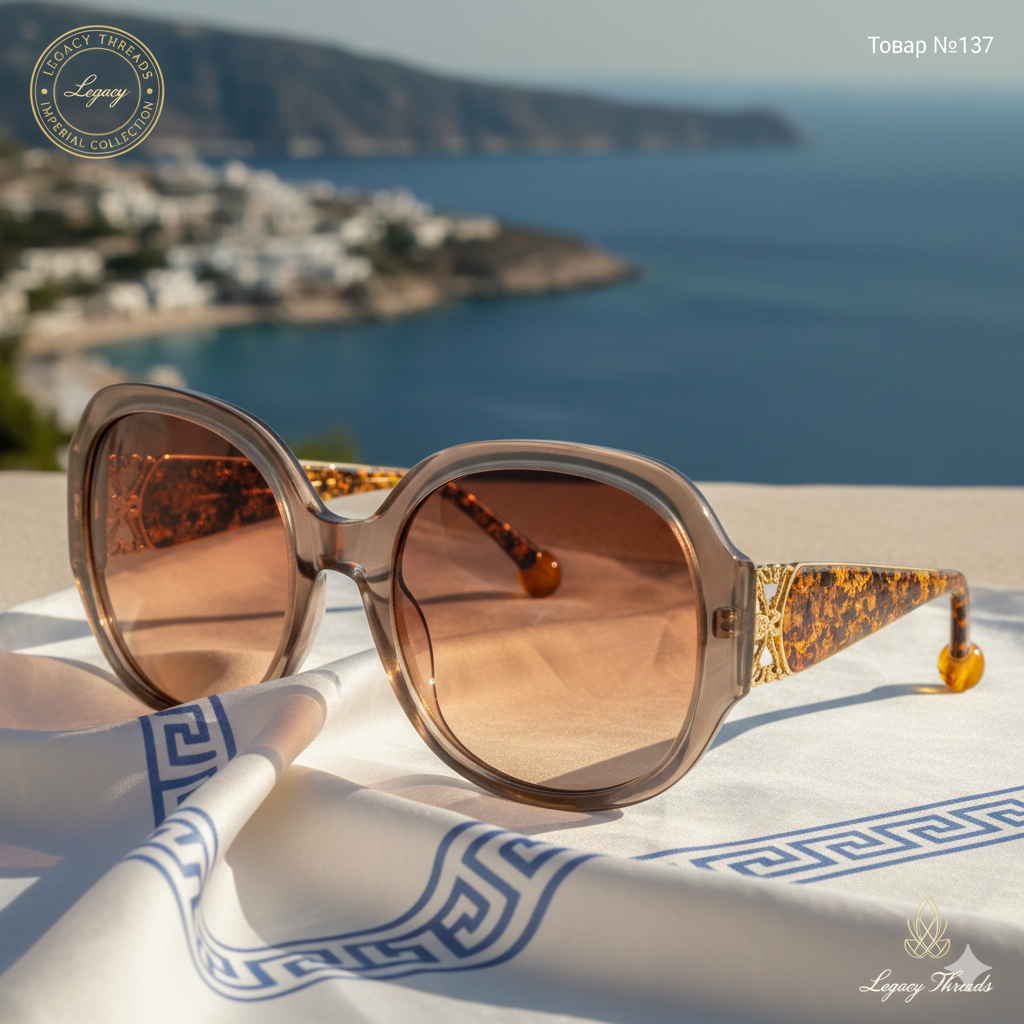
The "Scorpios Island" oversized sunglasses are a stunning tribute to the effortless glamour of Jacqueline Kennedy Onassis during the late 1960s. These frames represent the ultimate fusion of style and sanctuary, designed for a woman who values her mystery as much as her elegance.
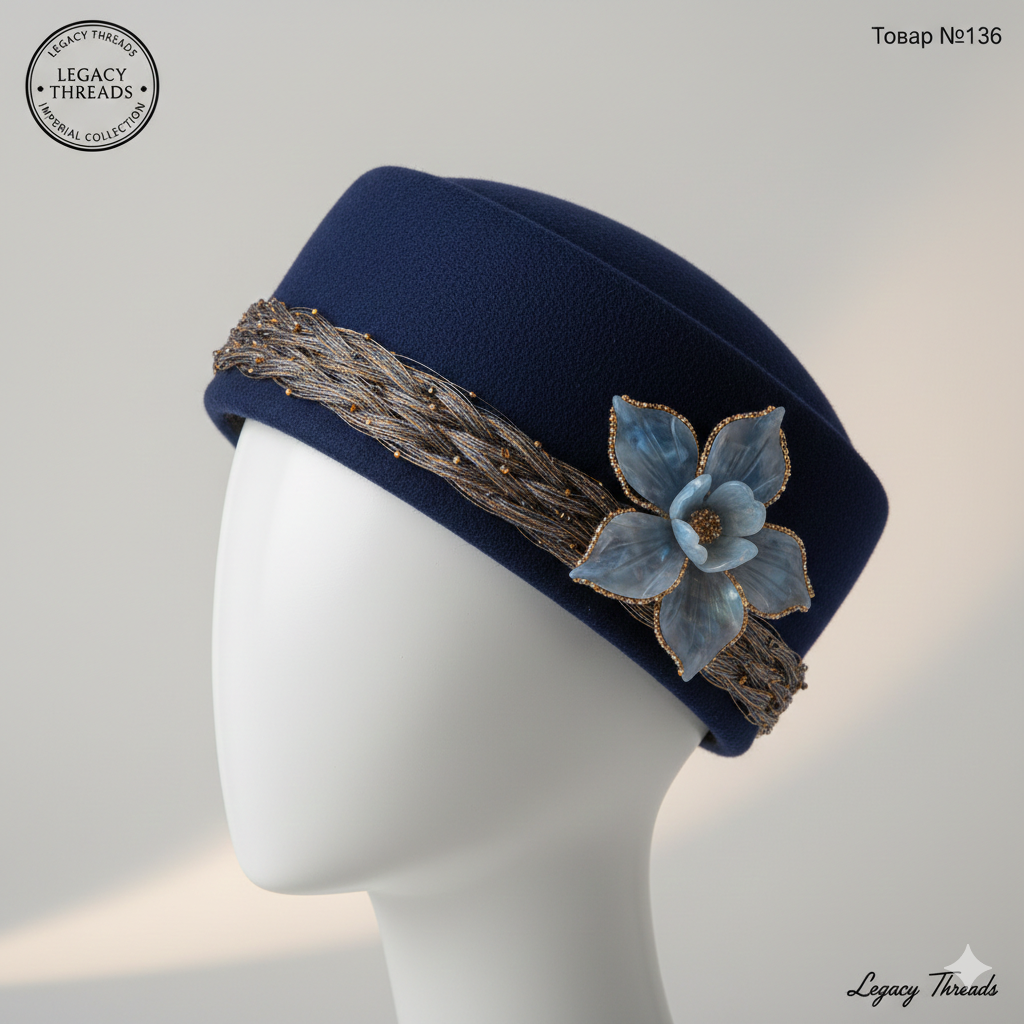
The "Galactic Chic" pillbox hat is a sophisticated reimagining of Jacqueline Kennedy's signature headwear, capturing the refined simplicity and futuristic elegance that defined her early 1960s style. This hat is a testament to understated glamour, designed for the woman who commands attention with quiet confidence.
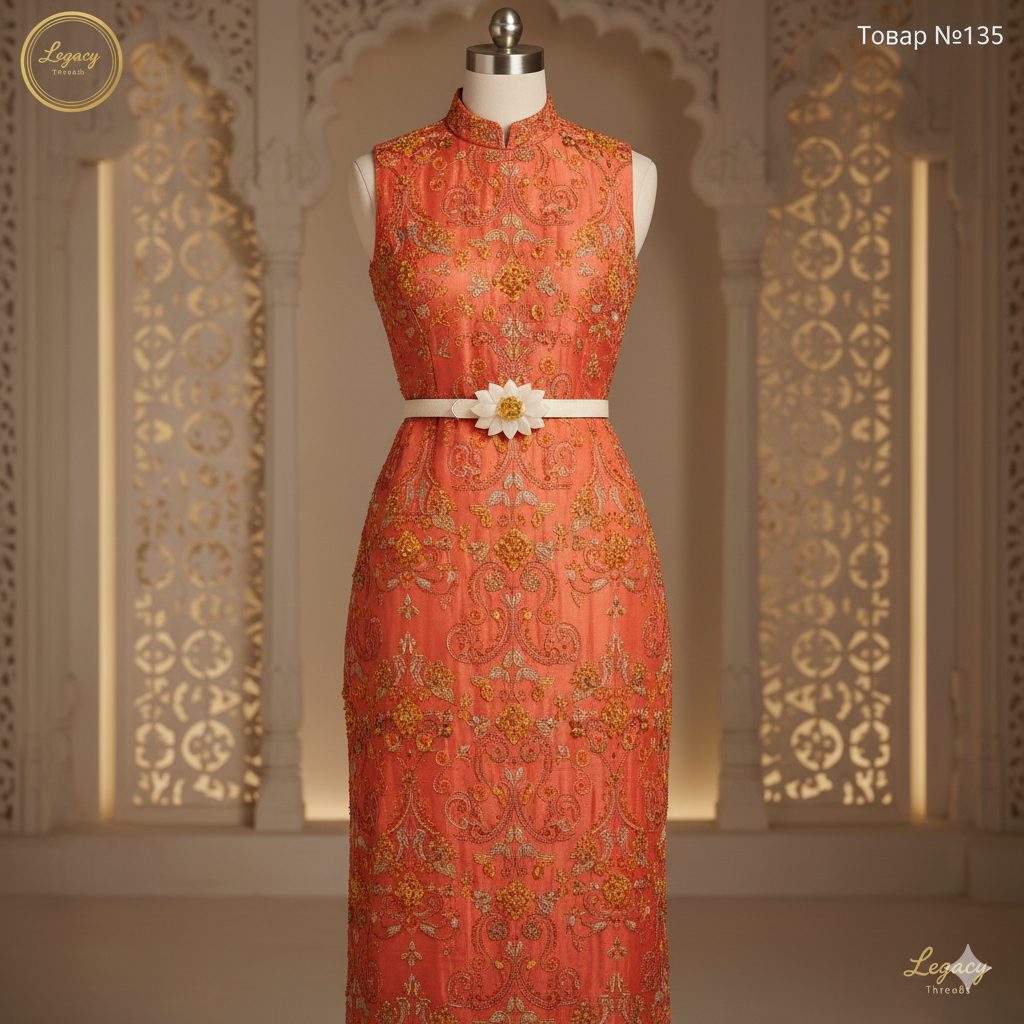
The "Delhi Dawn" column gown is a resplendent tribute to Jacqueline Kennedy's transformative state visit to India in 1962, where she captivated the world with her elegant interpretation of Eastern influences. This gown embodies the serene beauty and sophisticated diplomacy that defined her international style, reimagined with the unique amber artistry of Legacy Threads.
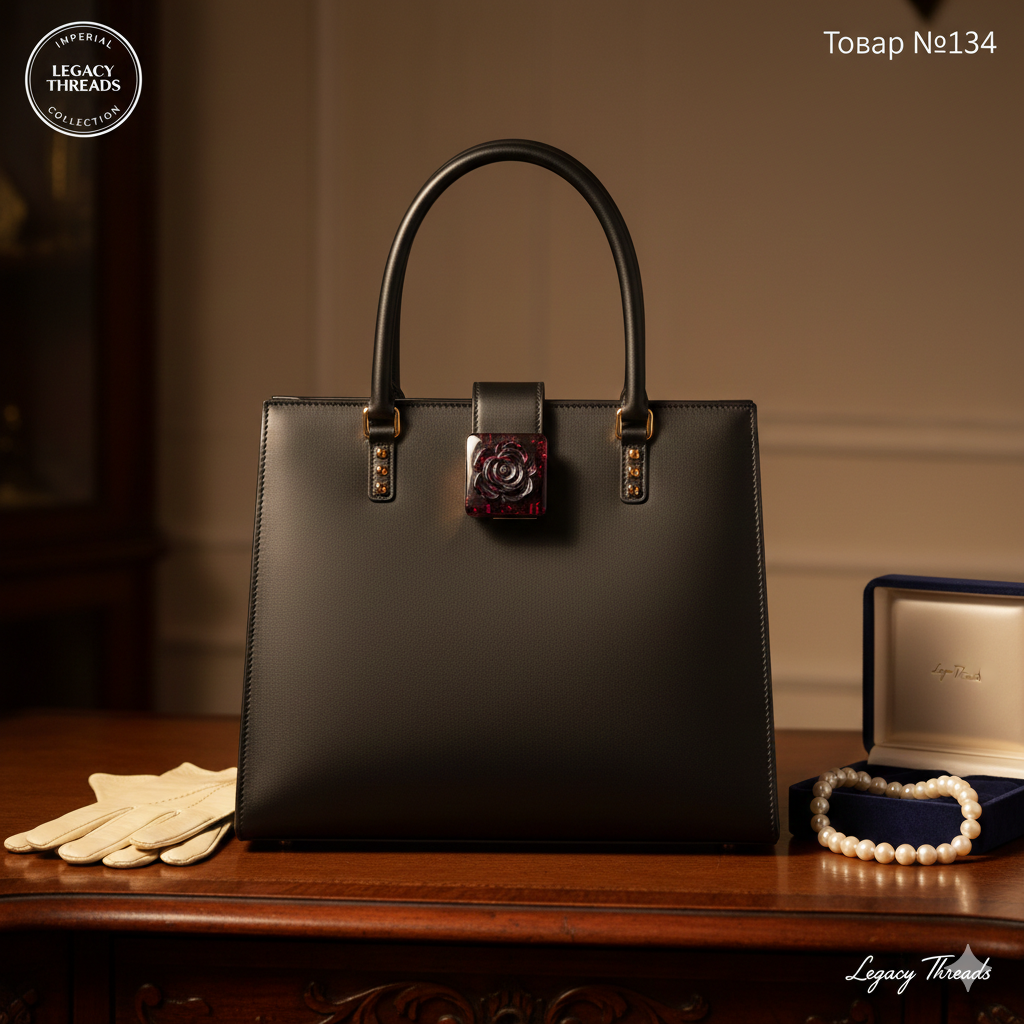
The "Diplomatic Protocol" handbag is a refined masterpiece of leather craftsmanship, inspired by the classic top-handle bags favored by the young Queen Elizabeth II. This accessory represents the ultimate blend of discretion and status, designed for a woman who carries the weight of a crown with effortless poise.
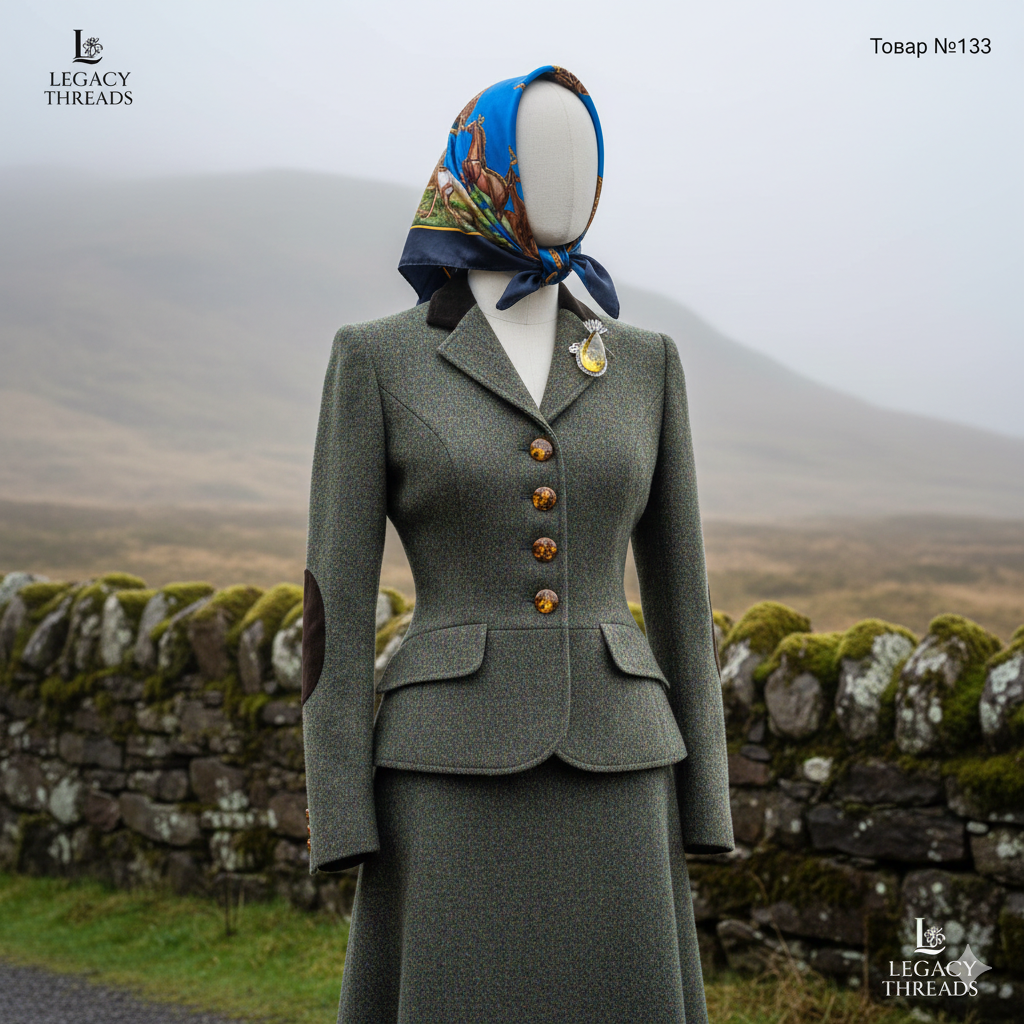
The "Highland Mist" country set is a sophisticated tribute to Queen Elizabeth II’s lifelong love for the Scottish Highlands and her effortless outdoor elegance. This ensemble captures the essence of her private moments at Balmoral, where she combined traditional British utility with royal grace.
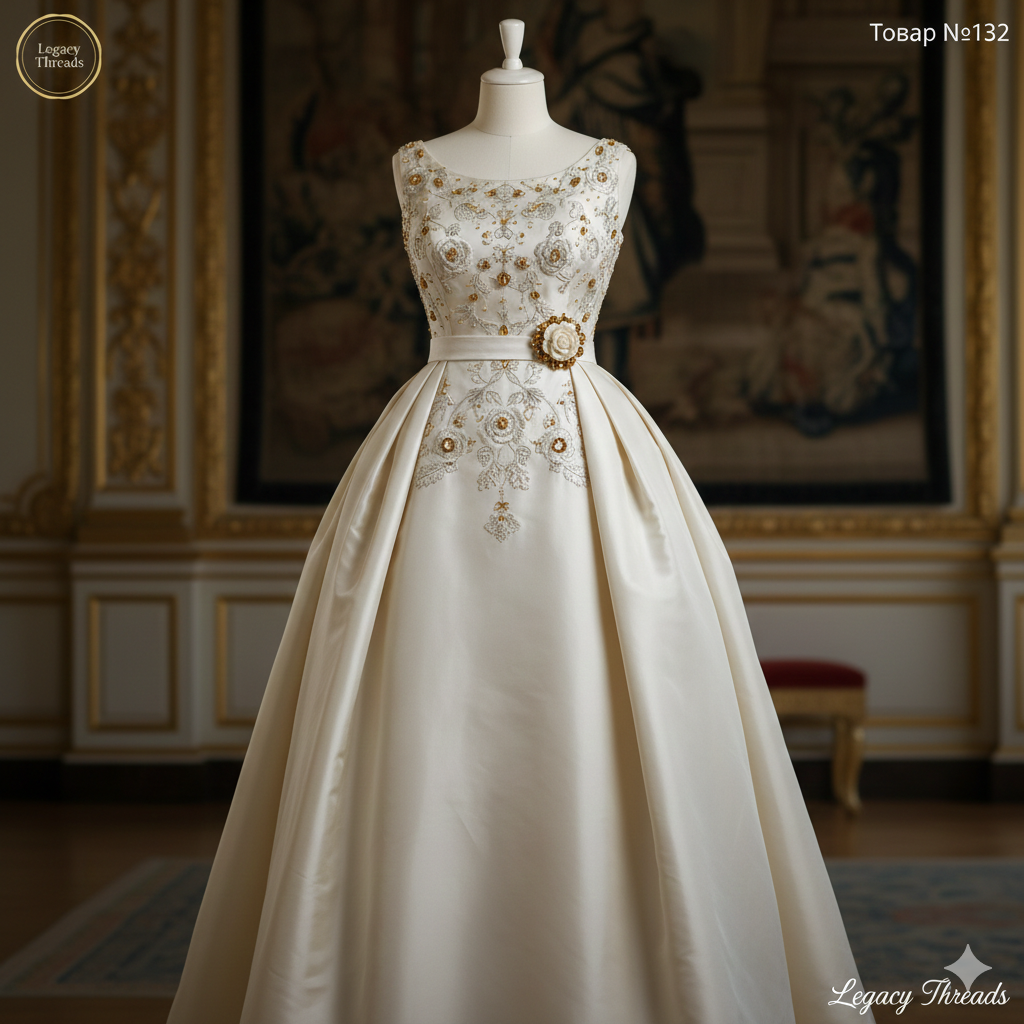
The "Windsor Rose" state gown is a breathtaking example of regal couture, capturing the poised elegance of the young Queen Elizabeth II during the late 1950s. This garment is designed for the most formal of state occasions, reflecting the dignity of the monarchy and the meticulous craftsmanship of British tradition, reimagined with the signature amber touch of Legacy Threads.
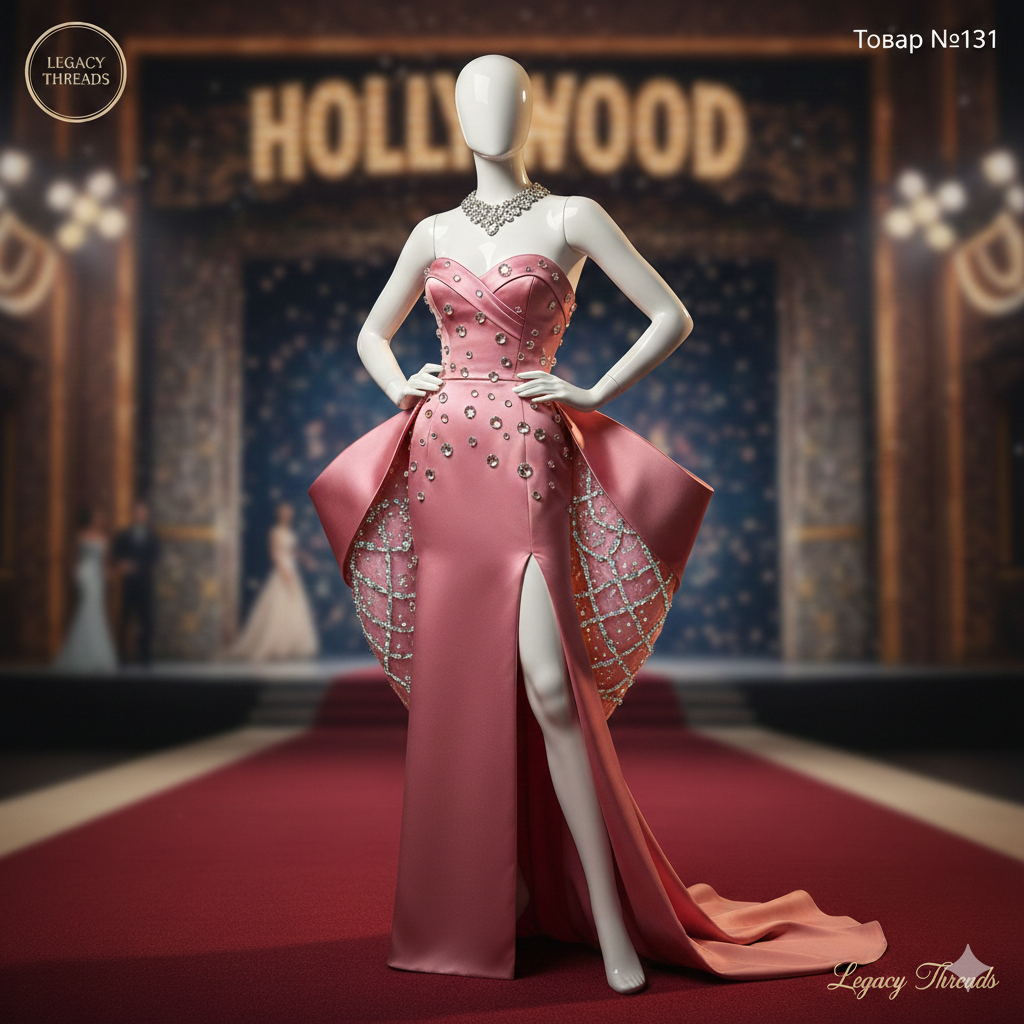
The "Diamond Conspiracy" gown is an exquisite reinterpretation of Marilyn Monroe's iconic pink dress from "Diamonds Are a Girl's Best Friend," infused with the unparalleled luxury and unique amber artistry of Legacy Threads. This gown is designed to be the ultimate showstopper, echoing the original's audacious glamour while adding a new dimension of radiant
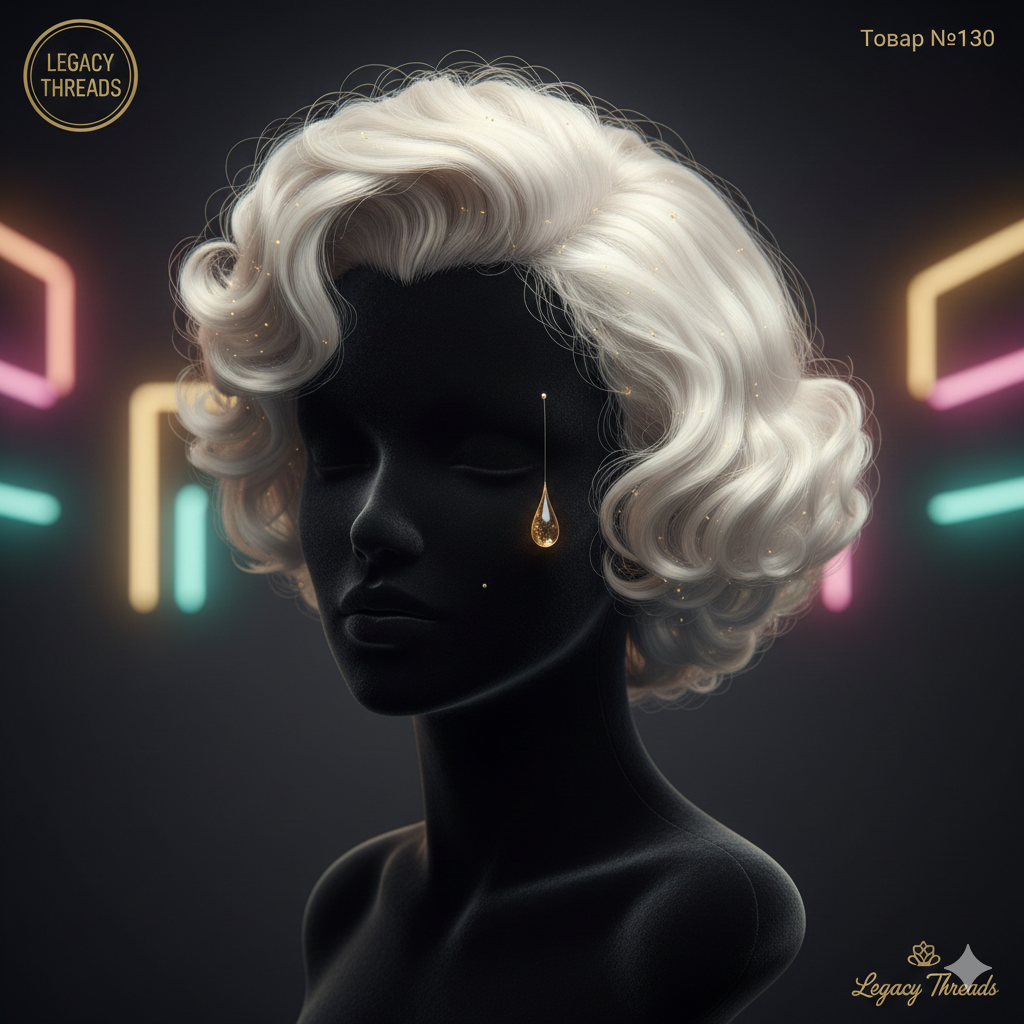
The "Platinum Train" wig is a breathtaking tribute to Marilyn Monroe's iconic platinum-blonde curls, meticulously recreated with an unparalleled level of luxury and artistry. This is not merely a wig; it's a wearable piece of cinematic history, embodying the luminosity and allure that defined a generation.